July 20, 2026
Discovering mold contamination in your home can be an alarming experience, but understanding the precise steps to address it is crucial for maintaining a healthy living environment. We understand the complex challenges that property owners face after an environmental assessment reveals contamination, ranging from immediate health risks to potential structural damage. Taking prompt, informed action is absolutely essential for minimizing harm to occupants and preventing long-term degradation of the property structure. By following evidence-based guidelines, focusing on moisture control, and obtaining professional clarity, you can ensure a safer and healthier home environment for everyone. We are here to help you navigate this process with clear, scientific data that empowers you to make the best decisions for your property.
Identify Mold Contamination and Health Impacts
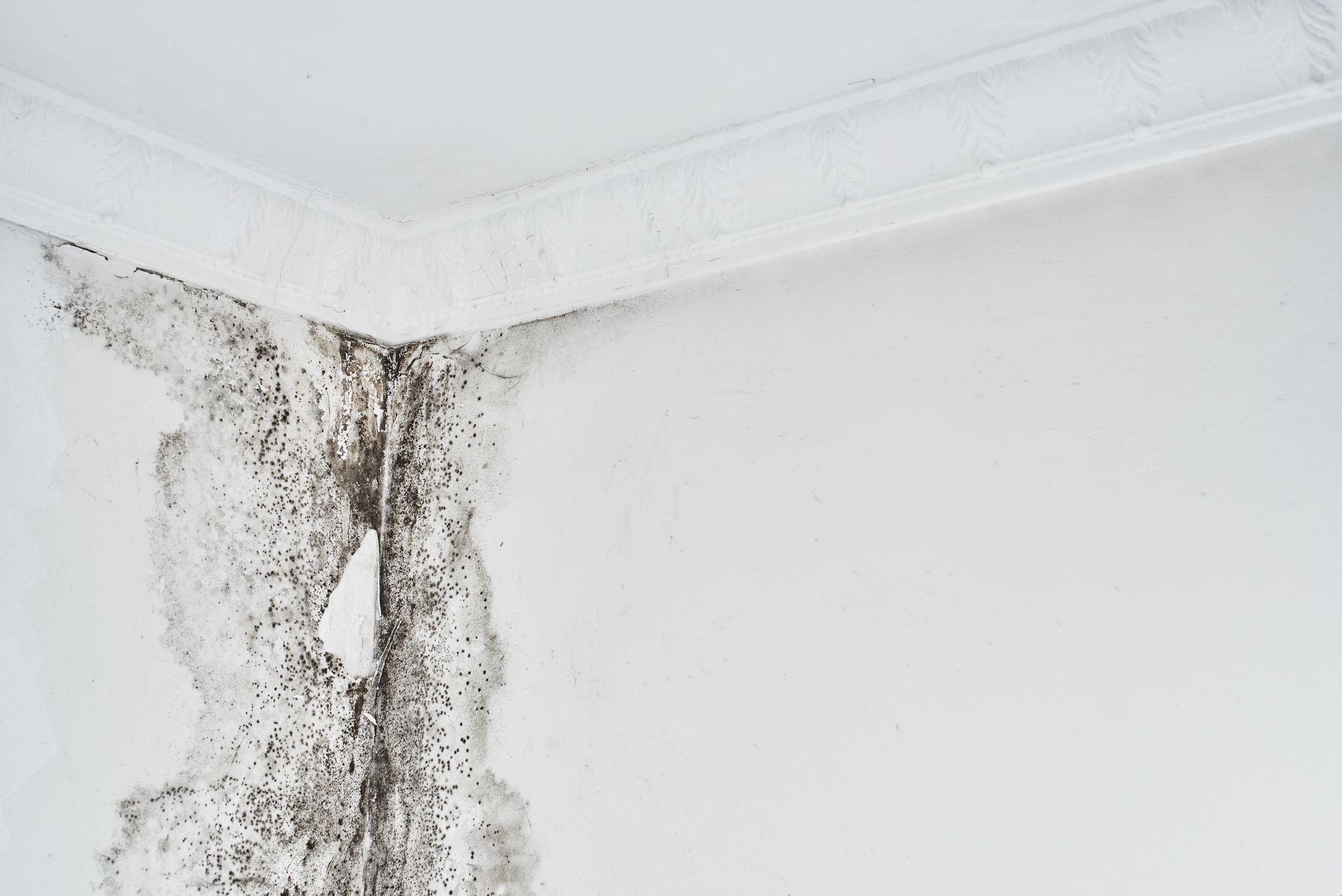
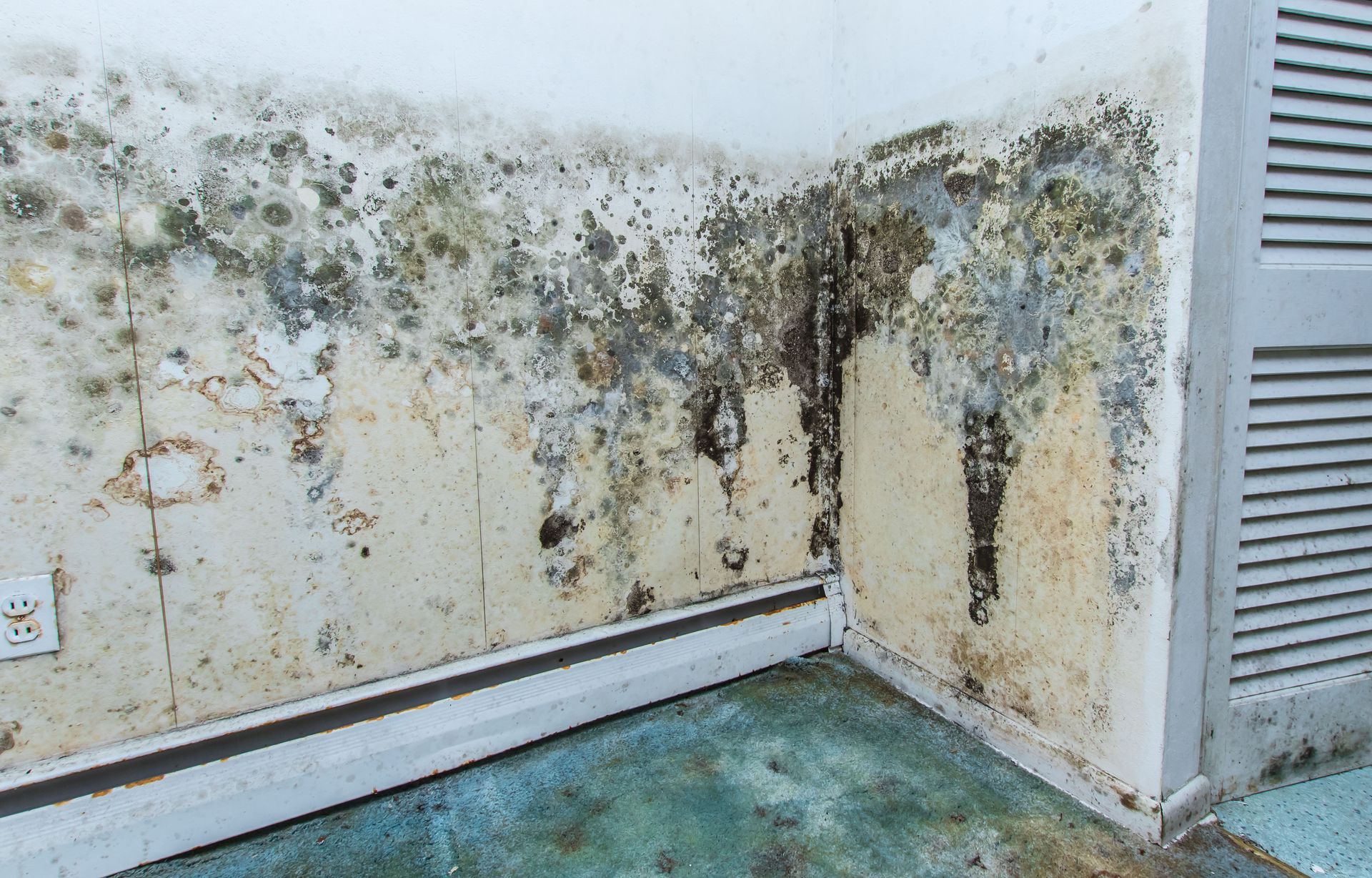
Mold is a type of fungus that grows in multicellular structures called hyphae and thrives in indoor environments where moisture builds up over time. Common indoor molds like Aspergillus, Cladosporium, and Stachybotrys can cause varying degrees of respiratory issues, particularly for individuals with pre-existing allergies or asthma. Prolonged exposure can lead to severe nasal congestion, throat irritation, chronic coughing, and persistent skin irritation that worsens the longer the problem remains unresolved. We identify these species utilizing our mold inspection services to help you understand the specific health implications affecting your household. Beyond immediate health concerns, mold actively feeds on organic materials like wood, drywall, and ceiling tiles, which compromises the structural integrity of the building if left unaddressed. According to FEMA, mold requires only 24 to 48 hours to form after water damage occurs. This rapid growth cycle highlights the extreme urgency of addressing leaks, floods, and sudden moisture issues before the spores spread throughout the entire property and cause extensive damage.
Interpret Your Assessment Report
A thorough environmental assessment report provides the critical foundation for any successful moisture correction and cleanup plan. The detailed document outlines the specific types of mold found, the concentration levels in the air, and the exact rooms within the home that require immediate attention. We provide these clear insights when you invest in professional mold inspection services to ensure you can make informed decisions moving forward with your property management. Our field experts utilize advanced diagnostic tools such as digital moisture meters and infrared cameras to pinpoint hidden growth behind walls, inside crawlspaces, or beneath thick carpeting. This comprehensive analysis ensures that no hidden reservoirs of spores are left unaddressed during subsequent structural cleanup efforts. Understanding the full scope of the contamination allows you to coordinate effectively with specialized remediation contractors who will execute the physical cleaning.
Find the Root Cause of Moisture
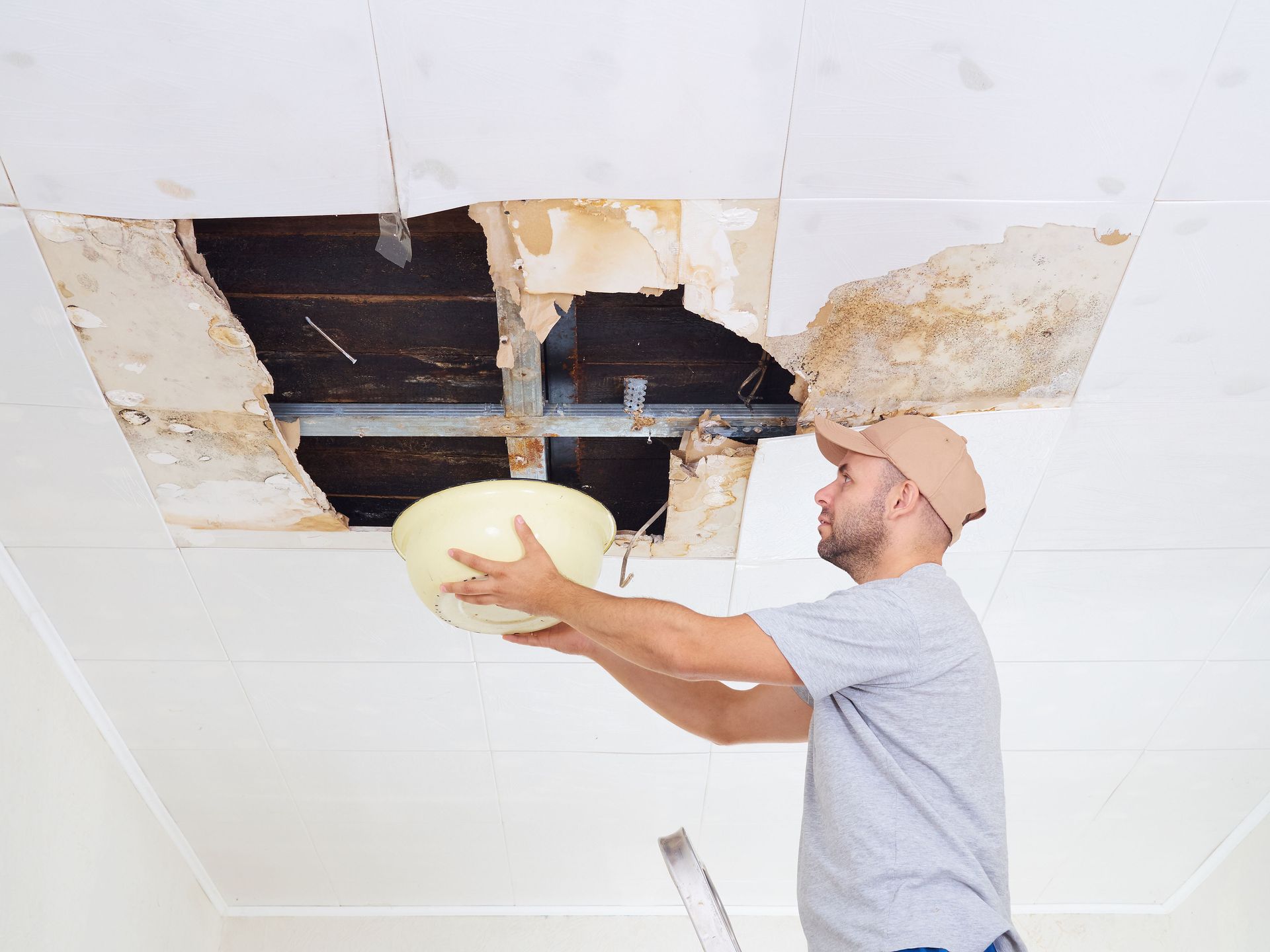
Fixing the visible mold growth without addressing the underlying moisture source guarantees that the fungal problem will return in a matter of weeks. Common culprits for indoor moisture include hidden pipe leaks, high indoor relative humidity, and poor ventilation in confined areas like basements, attics, and bathrooms. We help you identify these environmental failures when you schedule comprehensive mold inspection services with our team. Our detailed protocols outline exactly what structural or mechanical issues are driving the fungal growth so they can be repaired permanently by a licensed professional. Maintaining indoor humidity levels between 30% and 50% using dehumidifiers and proper ventilation is instrumental in mitigating future biological growth risks. By focusing entirely on the root cause of the water intrusion, we ensure that your property remains dry and completely inhospitable to fungal spores over the long term.
Isolate Contaminated Zones Immediately
Isolating the affected areas right away prevents dangerous spores from spreading to clean, unaffected parts of the residential building. Homeowners should secure contaminated zones using heavy plastic sheeting and containment tape to limit airborne cross-contamination during daily activities. It is equally important to turn off heating and cooling systems immediately, as forced air rapidly distributes microscopic spores throughout the entire house via the ductwork. We highlight these critical containment areas through the detailed findings of our mold inspection services. Informing all household members about the restricted zones ensures everyone stays clear of the hazard until a professional cleanup crew completes their work. Protecting personal belongings by moving unaffected items away from the damp zones further minimizes property loss and prevents secondary spore contamination on fabric items.
Prepare for Professional Remediation
Hiring a certified remediation contractor is the next logical step after receiving our official environmental testing report. While our company focuses strictly on testing and assessment to maintain total objectivity and eliminate conflicts of interest, we provide the explicit protocol the cleanup crew needs to follow. You can rely on the accuracy of our mold inspection services to ensure the remediation team targets every affected square inch without missing hidden colonies. Qualified remediation contractors use specialized personal protective gear, negative air pressure machines, and high-efficiency particulate air filters to clean the space safely. They will remove heavily contaminated porous materials like drywall, insulation, and carpeting that cannot be effectively salvaged or cleaned. Having an independent assessment before they begin ensures the cleanup work is performed thoroughly and matches the true scope of the damage.
Verify Successful Fungal Removal
Clearing the air after a professional cleanup requires independent verification to confirm the home is completely safe for structural reoccupancy. Post-remediation testing involves meticulous visual assessments and rigorous air quality sampling to ensure spore counts have returned to normal environmental baseline levels. We specialize in providing this crucial clearance testing, relying on specialized mold inspection services to validate the success of the cleanup process. This final inspection ensures that the remediation contractor successfully executed the protocol and entirely eliminated the airborne contamination. Having official clearance documentation gives your family complete peace of mind before you begin rebuilding the affected walls and spaces. It also serves as an essential legal record for insurance companies, landlords, and future real estate transactions.
Implement Long-Term Prevention Strategies
Preventing future fungal outbreaks requires an ongoing commitment to routine property maintenance and proactive moisture control throughout the year. Homeowners should conduct regular checks of roofs, exterior gutters, and internal plumbing fixtures to stop water intrusion before it can cause structural damage. We assist property owners in establishing these protective baselines by prioritizing regular mold inspection services during seasonal home maintenance checks. Improving ventilation by consistently using exhaust fans in kitchens, laundry rooms, and bathrooms significantly reduces local humidity accumulation. Utilizing mold-resistant building materials like treated drywall and specialized primers during renovations adds another robust layer of defense. Being prepared for sudden water emergencies ensures you can act within the critical window to keep your home dry and safe.
Navigate Insurance and Legal Documentation
Navigating the financial and legal implications of property damage requires meticulous record-keeping and clear, verified documentation. Homeowner's insurance policies may cover the substantial costs of cleanup if the contamination stemmed directly from a sudden, accidental water discharge. We help you compile the necessary scientific evidence when you obtain documentation from mold inspection services to submit to your insurance adjuster. Detailed photographic evidence combined with our formal scientific reports significantly strengthens your position when filing a property claim. It is also important to note that property owners must legally disclose known history of contamination during real estate transactions to prospective buyers. Keeping an organized, chronological file of all environmental assessments protects your financial investments and ensures full legal compliance with local disclosure laws.
Addressing indoor contamination requires a strategic approach that combines scientific assessment, targeted moisture control, and independent environmental verification. We remain completely dedicated to providing the precise data and clear protocols necessary to guide you through every stage of this challenging process. Safeguarding your property and ensuring a healthy indoor environment starts with accurate testing rather than guesswork. For comprehensive assessment solutions tailored to your specific property, reach out to Environmental Assessments & Solutions, Inc to schedule your appointment today.