September 21, 2026
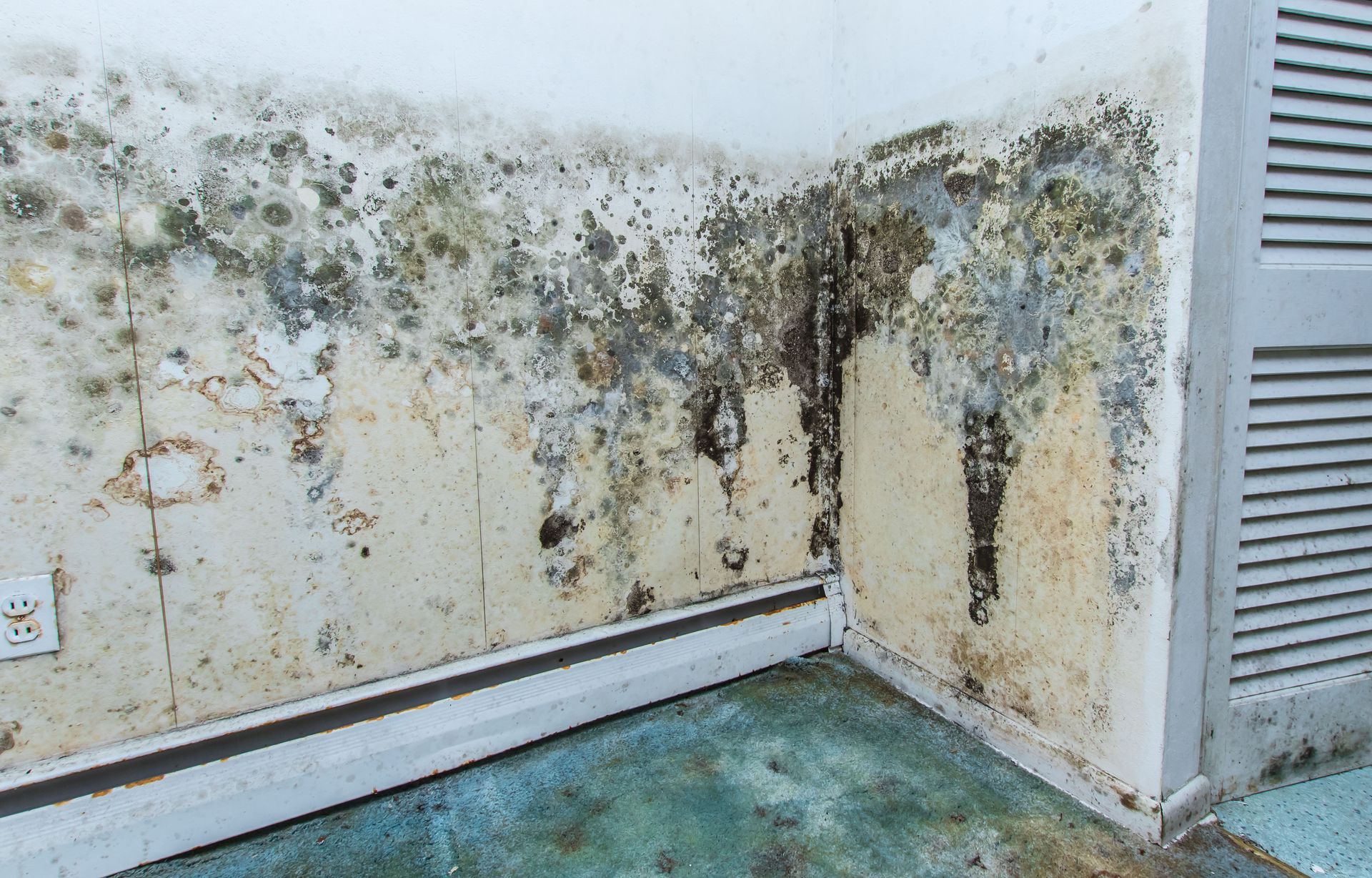
Mold is not always easy to see. While visible mold growth on a bathroom ceiling or around a window can quickly draw attention, mold can also develop in concealed areas behind walls, beneath flooring, and inside other parts of a home. These hidden spaces may provide the moisture, organic materials, and limited airflow that allow mold to grow without being immediately noticed.
Because the problem can remain concealed for an extended period, hidden mold may contribute to property damage before homeowners recognize that something is wrong. According to RubyHome, about 47% of homes in the United States show signs that may indicate the presence of mold. Understanding how hidden mold develops, recognizing possible warning signs, and using mold testing when appropriate can help homeowners respond to potential problems before they become more extensive.
What Causes Mold to Form Behind Walls and Floors?
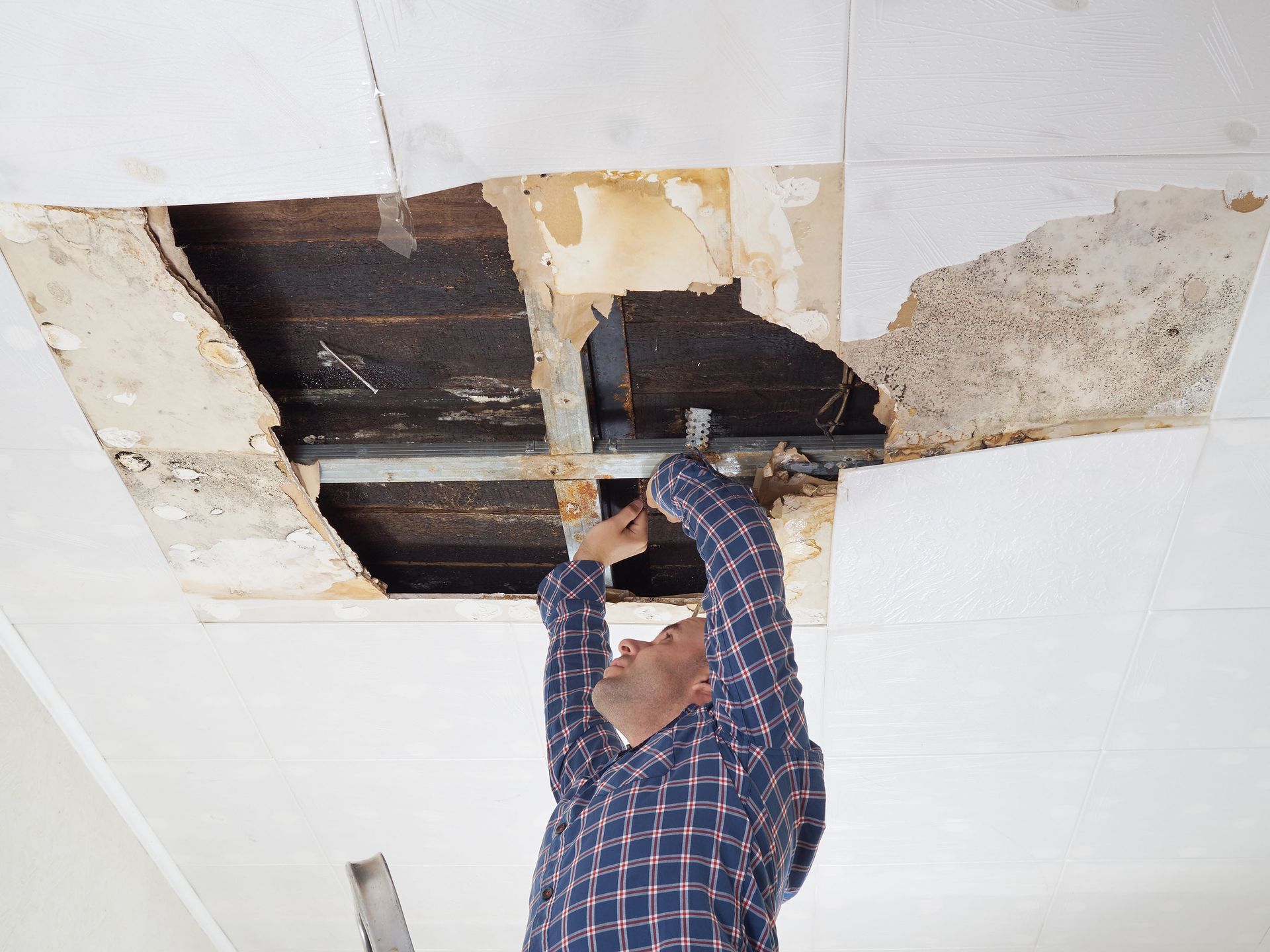
Mold requires several basic conditions to grow. Moisture is one of the most important factors, and hidden areas can become damp because of problems that are difficult to detect. A slow plumbing leak inside a wall, for example, may allow moisture to accumulate over time without creating an obvious puddle or visible leak.
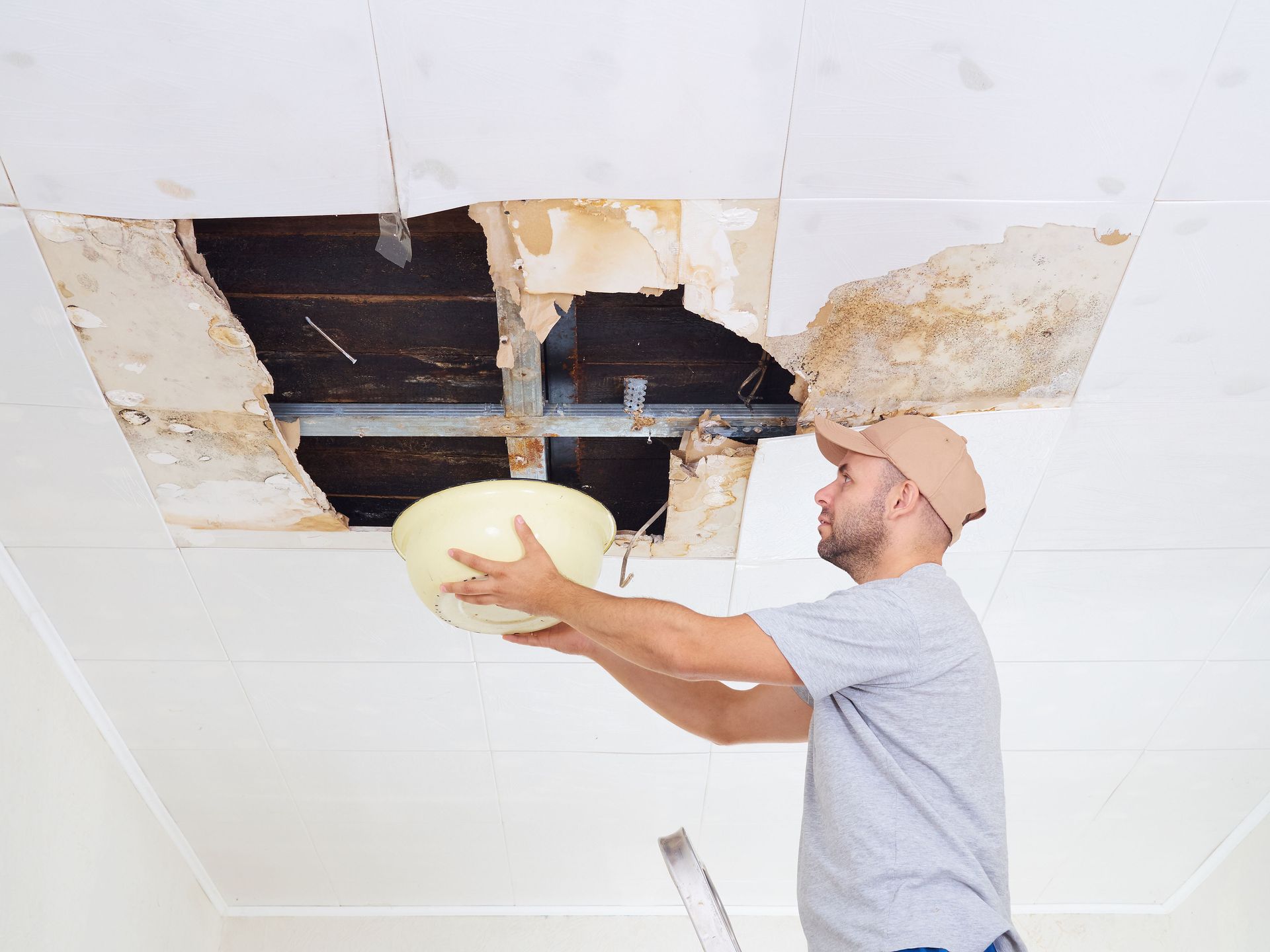
Water intrusion from outside can also contribute to mold development. Damaged roofing, cracks around windows, foundation problems, and poor drainage may allow water to enter the structure of a home. Once moisture reaches materials behind walls or beneath floors, it may become trapped and take a long time to dry.
Building materials can also provide a source of organic matter for mold. Drywall paper, wood framing, carpeting, insulation, and dust may all support growth when sufficient moisture is present. This means that even a relatively minor water problem can create favorable conditions if it is not addressed promptly.
Poor ventilation is another contributing factor. Bathrooms, kitchens, basements, crawl spaces, and other areas with elevated moisture levels can experience condensation. Temperature differences may cause moisture in the air to collect on cooler surfaces, including pipes, exterior walls, and subflooring.
Seasonal temperature changes can make these issues more complicated. Warm, humid air meeting cooler building surfaces may create condensation that homeowners never see. Over time, repeated exposure to moisture can contribute to hidden mold growth.
How Can You Identify Hidden Mold in Your Home?
Identifying hidden mold can be challenging because the affected area may not be visible. However, homeowners may notice warning signs that suggest moisture or mold could be present somewhere within the structure.
A persistent musty odor is one of the more common signs associated with possible hidden mold. If a particular room consistently smells damp or earthy despite regular cleaning, it may be worthwhile to investigate the source of the odor. The smell alone does not confirm mold, but it can indicate that moisture or microbial growth is present.
Changes to walls and flooring may also provide useful clues. Discoloration, staining, bubbling paint, peeling wallpaper, warped flooring, or soft drywall can indicate water damage. These conditions do not necessarily mean mold is present, but they suggest that moisture has affected the area.
Homeowners should also pay attention to recurring moisture problems. A basement that regularly feels damp or a wall that develops stains after heavy rain may require further investigation. Similarly, flooring that becomes warped or separates without an obvious explanation could indicate moisture beneath the surface.
Why Is Mold Testing Important?
Hidden mold can be difficult to evaluate based solely on appearance. A stain on a wall might result from an old leak, while a musty odor could have several potential causes. Mold testing can provide useful information when there is uncertainty about whether mold growth is present.
Testing may also help identify conditions that deserve further attention. Professionals can evaluate affected areas and determine whether moisture problems, visible growth, or other evidence suggests that additional work is necessary. In some situations, sampling may help characterize the mold that is present.
One important benefit of mold testing is that it can support informed decision-making. Rather than assuming that every discoloration is mold or ignoring potential warning signs, homeowners can gather information about the condition of their property.
Testing may be particularly useful following water damage. A burst pipe, appliance leak, flooded basement, or roof leak can expose concealed building materials to significant amounts of moisture. Even after visible water has been removed, damp materials behind walls or beneath floors may remain vulnerable to microbial growth.
Mold testing can also be considered when buying or selling a property, especially if there is evidence of past water damage. An evaluation may help identify concerns that are not immediately apparent during a general visual inspection.
What Are the Health Risks of Hidden Mold?
Mold exposure can affect people differently. Some individuals may experience no noticeable symptoms, while others may be more sensitive to mold spores or related particles. The effects can depend on factors such as individual sensitivities, allergies, asthma, and the amount of exposure.
People who are sensitive to mold may experience symptoms involving the nose, throat, or eyes. Sneezing, nasal congestion, coughing, throat irritation, and itchy or watery eyes can occur in some cases. Individuals with allergies may experience stronger reactions when exposed to substances that trigger their symptoms.
Mold may also be a concern for people with respiratory conditions. Individuals with asthma, for example, may be more sensitive to environmental triggers that affect breathing. Persistent moisture and poor indoor air conditions can create an uncomfortable living environment, particularly for people with existing sensitivities.
It is important not to assume that every unexplained health symptom is caused by mold. Many conditions can produce similar symptoms, and determining the cause may require consultation with an appropriate healthcare professional.
How Can You Prevent Mold Growth in Your Home?
Preventing hidden mold begins with controlling moisture. Homeowners should address plumbing leaks, roof leaks, and other sources of water intrusion as quickly as possible. Even a slow leak can introduce enough moisture to create problems over time.
Maintaining appropriate indoor humidity can also help reduce the risk of mold growth. Areas that regularly experience high humidity may benefit from ventilation or dehumidification. Basements and other enclosed spaces should be monitored for dampness, condensation, and water intrusion.
Bathrooms and kitchens deserve particular attention because everyday activities can generate substantial amounts of moisture. Using exhaust fans and allowing humid air to leave the home can help reduce condensation. Exhaust systems should function properly and, when applicable, direct moisture outside rather than into another enclosed area.
Regular maintenance can help identify small problems before they become significant. Homeowners can periodically inspect areas around plumbing fixtures, appliances, windows, roofs, and foundations for signs of leaks or water damage. Attics, basements, and crawl spaces should also be checked for unusual dampness.
Promptly drying wet materials is especially important after water damage. Carpeting, drywall, insulation, and other materials can retain moisture even when the surface appears dry. The longer these materials remain wet, the greater the opportunity for mold growth.
Routine mold testing may also be appropriate for homes with recurring moisture problems, a history of water damage, or persistent unexplained odors. While testing is not necessarily required in every home, it can provide additional information when there are legitimate concerns about concealed mold.
Taking Action Against Hidden Mold
Hidden mold can develop in places homeowners rarely see, including behind walls and beneath floors. Slow leaks, water intrusion, condensation, poor ventilation, and elevated humidity can all create conditions that support growth. Because the problem may remain concealed, homeowners should pay attention to warning signs such as persistent musty odors, discoloration, warped materials, and recurring moisture.
Addressing water problems quickly is one of the most effective ways to reduce the risk of mold growth. Regular inspections, proper ventilation, humidity control, and prompt repairs can help protect both a home's structure and indoor environment.
When there are unanswered questions about possible hidden growth,
mold testing can provide valuable information and help guide the next steps. By remaining aware of moisture conditions and responding to potential warning signs, homeowners can take a proactive approach to protecting their property and reducing the risk of hidden mold problems. If you have mold, reach out to the team at Environmental Assessments & Solutions, Inc today!