August 20, 2026
Mold is not only a nuisance but can also pose significant health risks and damage to property. Even after removal, mold can return if preventive measures are not taken. This article provides comprehensive insights into ensuring that mold does not reappear after an initial remediation effort. Understanding why and where mold grows, how to effectively remove it, and steps for preventing future growth are crucial for maintaining a healthy environment. Protecting your home and family involves commitment to sustained efforts to tackle these pervasive fungi.
Understanding Mold and Its Causes
Mold is a type of fungus that can thrive both indoors and outdoors in damp environments. The most common indoor types include Cladosporium, Penicillium, Alternaria, and Aspergillus. Stachybotrys, commonly known as black mold, is particularly notorious for its potential health risks. Mold can spread quickly once established, making early identification crucial. Each mold type has specific characteristics, but all require certain conditions to grow effectively.
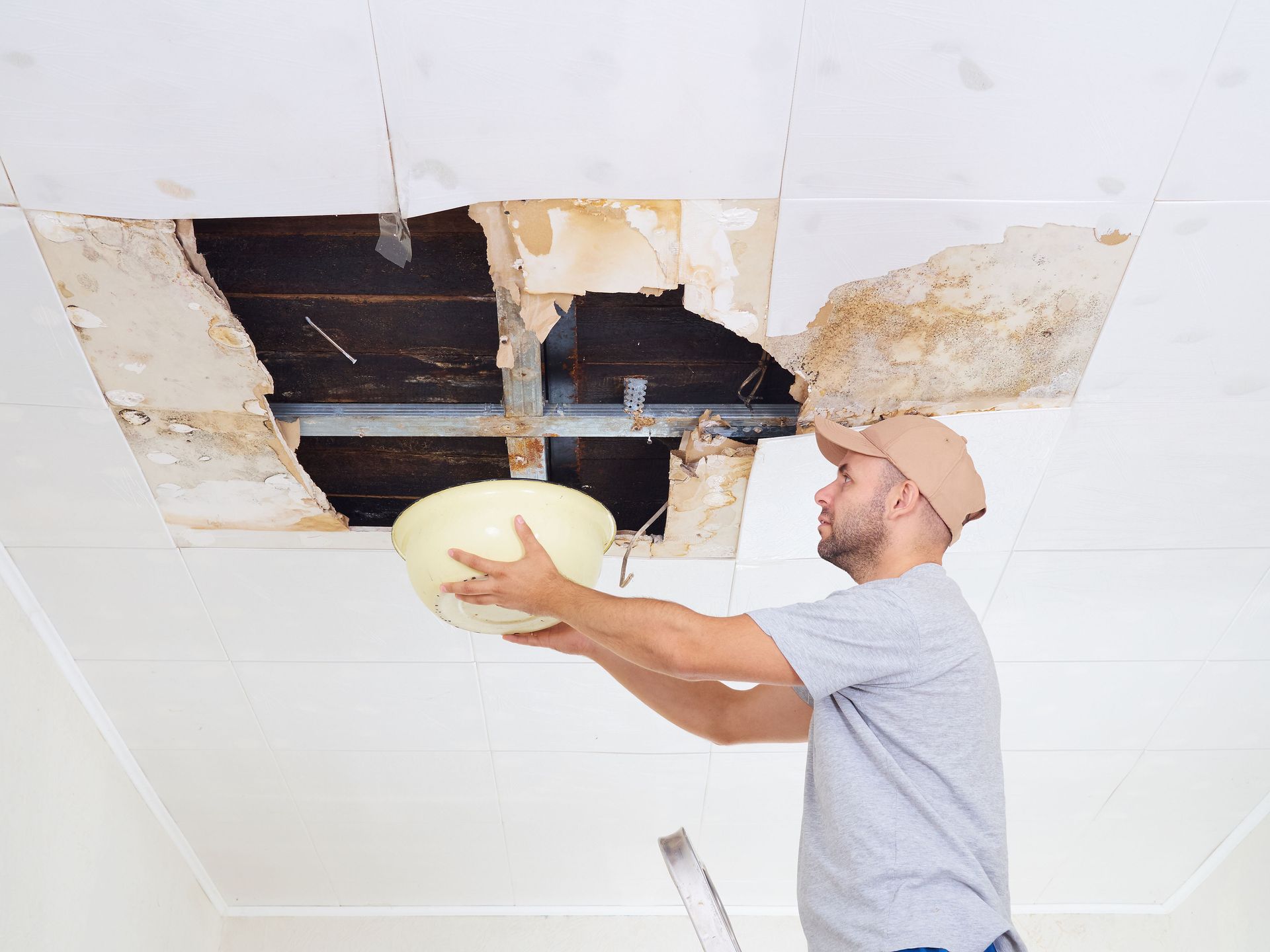
Mold requires a moist environment to grow, leading to its prevalence in humid climates and homes with inadequate moisture control. Water-damaged materials, such as drywall or wood, provide an ideal substrate for mold proliferation. According to the EPA, mold can start growing within 24 to 48 hours after water damage, emphasizing the importance of prompt remediation efforts. Understanding the specific type of mold present can aid in determining the most effective removal and prevention methods. Identification can be done visually or through professional testing when necessary.
Awareness of the health risks associated with mold is essential for prevention efforts. Mold exposure can cause respiratory issues, allergic reactions, and in severe cases, neurological problems. Individuals with existing health conditions, like asthma, may experience exacerbated symptoms upon exposure. Sensitive groups such as children, the elderly, and those with compromised immune systems are particularly vulnerable. Understanding these risks can motivate homeowners to prioritize mold prevention and remediation.
Using Effective Mold Removal Techniques
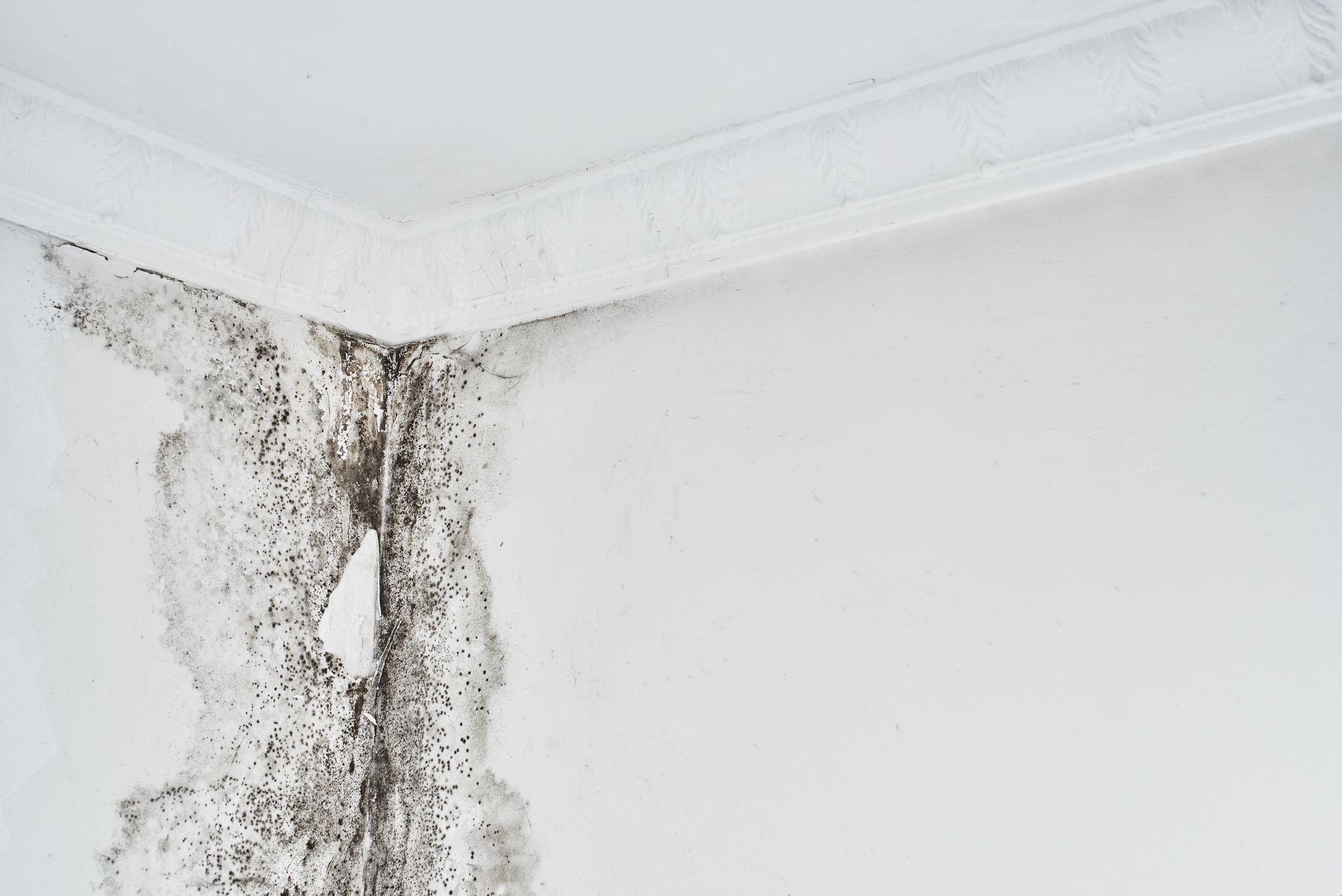
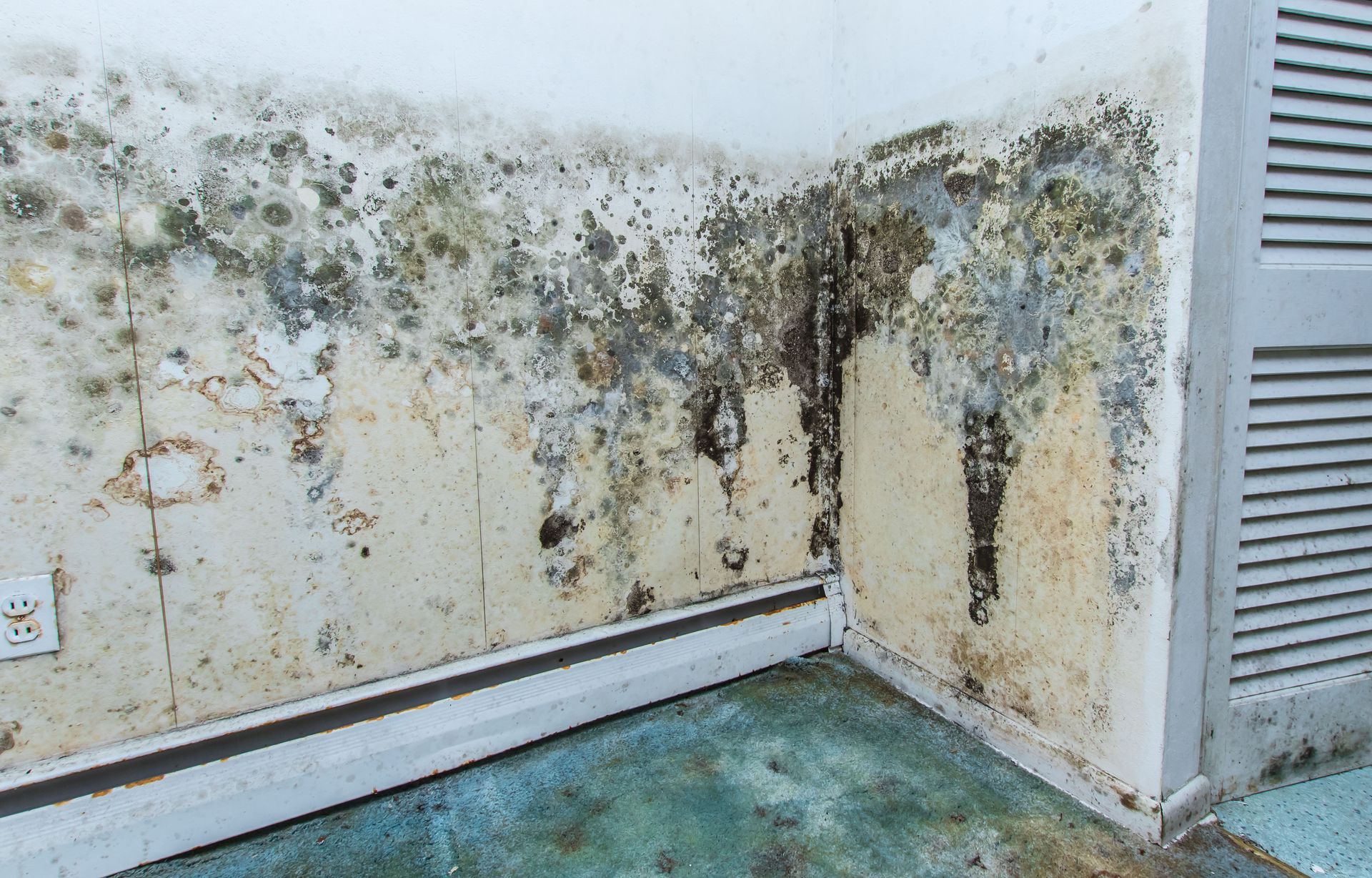
Identifying mold presence involves visual inspection and sometimes specialized testing. Homeowners should look for discoloration on walls, ceilings, and floors, often accompanied by a musty odor. Areas prone to moisture, such as bathrooms, kitchens, and basements, should be regularly inspected. Professional assessments can provide a definitive identification and suggest tailored remediation strategies. Accurate identification is vital for selecting appropriate removal methods.
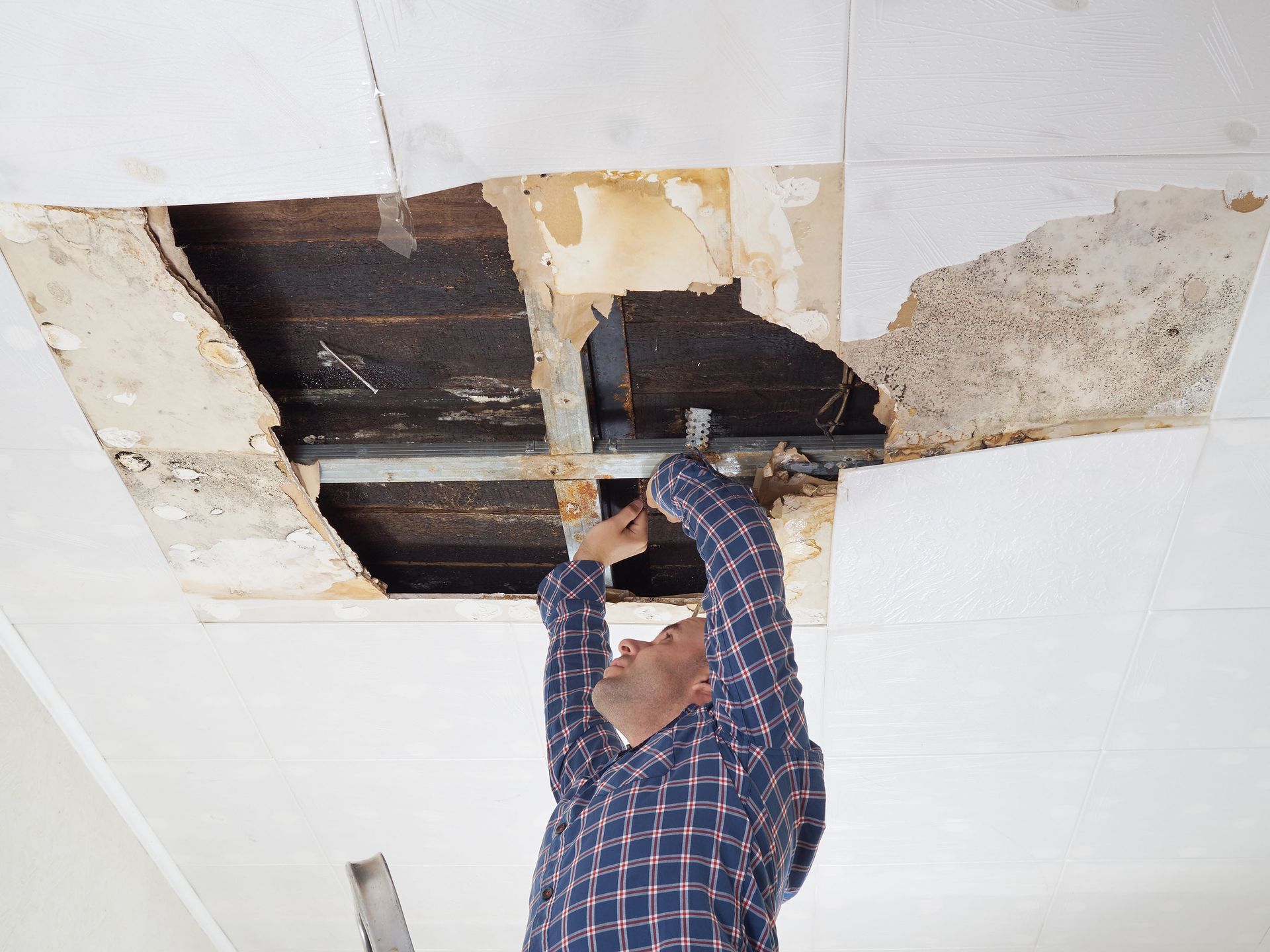
Once mold is identified, assessing the extent of contamination is the next step. This involves determining whether the mold is limited to a small area or has spread extensively throughout the home. Small outbreaks might be addressed with DIY methods, but widespread mold often requires professional intervention. Accurate assessment can prevent overlooking hidden mold colonies that could proliferate if left untreated. This step is crucial for developing an effective remediation plan.
Safety is paramount during mold removal processes. Proper protective gear, including masks, gloves, and goggles, safeguards individuals from mold spores and potential toxins. Disturbing mold without protection can lead to inhalation, skin contact, or eye irritation. Equipment like air purifiers and negative air machines can help contain mold spores during removal. Ensuring personal safety prevents exacerbation of health risks associated with mold exposure.
Improving Home Ventilation
Adequate ventilation is key to controlling moisture levels and preventing mold growth. Ventilation involves the exchange of indoor and outdoor air, which reduces indoor humidity. Homes without adequate ventilation tend to trap moisture, becoming breeding grounds for mold. Ensuring proper airflow can mitigate stagnation and allow moisture to dissipate. Assessing existing ventilation systems can pinpoint areas needing improvement.
Installing exhaust fans in moisture-prone areas, such as bathrooms and kitchens, is a basic improvement. Exhaust fans help remove moisture-laden air directly from these areas, preventing accumulation. Regular use of these fans during and after activities that produce moisture can significantly reduce potential mold breeding grounds. They are easy to install and cost-effective solutions for immediate ventilation improvement.
Choosing energy-efficient models ensures continual use without large energy costs.
Strategic management of windows and doors also contributes to improved airflow. Opening windows during dry days facilitates a natural exchange of air, reducing mustiness and humidity. Cross-ventilation techniques, like opening windows on opposite sides of a room, effectively promote circulation. Door placement and use can also influence airflow patterns within a home. Comprehensive management of these aspects improves overall ventilation, mitigating potential mold growth.
Controlling Humidity Levels
Maintaining an ideal indoor humidity range is critical for mold prevention. Humidity levels above 60% create conditions conducive to mold growth, while levels between 30% to 50% are generally considered safe. Monitoring and managing humidity with hygrometers helps maintain these optimal conditions. These devices provide real-time data, allowing homeowners to adjust humidifiers or dehumidifiers accordingly. Maintaining appropriate humidity levels inhibits mold’s ability to thrive and spread.
The strategic use of dehumidifiers aids in controlling excess humidity. Dehumidifiers extract moisture from the air, making environments less favorable for mold. Especially in humid climates, consistent use of dehumidifiers is a proactive step in preventing mold proliferation. Various models are available, ranging from portable units for single spaces to whole-house systems. Selecting the right dehumidifier depends on specific home needs and overall humidity conditions.
Regular humidity monitoring forms the basis of an effective mold prevention strategy. Seasonal changes can alter indoor humidity, necessitating periodic adjustments to humidity control measures. Investing in high-quality hygrometers means precise and reliable data, guiding timely interventions. Family members should be educated on humidity management, ensuring consistent practices. Long-term, consistent monitoring is key to maintaining home comfort and mold-free environments.
Performing Regular Home Maintenance
Regular inspection of water systems is crucial in preventing leaks that supply mold with needed moisture. Plumbing issues often go unnoticed until significant damage occurs, by which time mold may already be present. Proactive maintenance, including checking pipes, seals, and fixtures, prevents leaks from fostering mold-friendly conditions. Addressing minor leaks promptly can avert extensive mold remediation efforts later. Comprehensive water system inspections should be scheduled routinely.
Roofing and gutter maintenance play essential roles in preventing water damage and subsequent mold. Damaged shingles or clogged gutters can cause water to pool, eventually leaking into the home’s interior spaces. Regular inspections and cleaning prevent water buildup, protecting roofs and walls from mold risks. Addressing potential weaknesses promptly is an effective preventive measure. Routine checks and timely repairs maintain home integrity against mold risks.
Monitoring attics and basements is particularly vital in mold prevention efforts. These areas often escape regular inspection and can exhibit increased humidity levels. Implementing sensors and moisture detectors provides early warnings, allowing timely intervention before mold becomes established. Attics might benefit from improved insulation, while basements may require more extensive waterproofing solutions. Regular upkeep in these spaces is vital to maintain overall home health.
Implementing Long Term Mold Prevention Strategies
Mold-resistant products provide additional protection against potential future outbreaks. Specially designed drywall, paints, and insulation products can combat mold in vulnerable areas. These products contain compounds that minimize mold’s ability to thrive, offering long-term structural protection. Their initial costs are often offset by savings associated with reduced maintenance and repair work. Selecting these products during home renovations demonstrates commitment to sustained mold prevention.
Educating family members about mold risks and prevention methods fosters a culture of vigilance and proactive behavior. Family awareness of mold indicators can expedite the identification of early problems, allowing swift intervention. Instilling a sense of responsibility ensures consistent humidity management, cleanliness, and inspection routines. Educational sessions or presentations can be instrumental in fostering community awareness as well. Collective responsibility strengthens overall prevention efforts.
Periodic professional inspections can reinforce mold prevention strategies and provide peace of mind. Professionals bring expertise and advanced equipment that can readily uncover hidden mold issues. Scheduled inspections ensure adherence to best practices and prompt recognition of problem areas. Regular feedback from professionals strengthens a homeowner’s ability to maintain a mold-free environment. Investing in professional advice can bolster long-term health and safety outcomes.
Preventing mold from recurring after removal requires a multi-faceted approach that combines immediate remediation with long-term preventive strategies. By understanding mold’s causes, adopting effective removal techniques, improving home conditions, and committing to regular maintenance, homeowners can protect their spaces and promote a healthier living environment. Consistency and vigilance are key to keeping mold at bay for good. Do you need a mold inspection? Call Environmental Assessments & Solutions, Inc today.