August 19, 2026
Mold can develop in homes and commercial buildings whenever moisture remains present long enough to support growth. It may appear after plumbing leaks, roof damage, flooding, condensation, or prolonged humidity, and it can spread across drywall, wood, insulation, carpeting, and other porous materials. Because visible growth may represent only part of the problem, effective removal usually involves more than simply cleaning the surface. A professional process is designed to locate affected areas, control spores, remove contaminated materials when necessary, and address the moisture source. Understanding how the process works can help property owners know what to expect and why steps such as inspection, containment, drying, and mold testing may be included.
Identifying the Source of Moisture
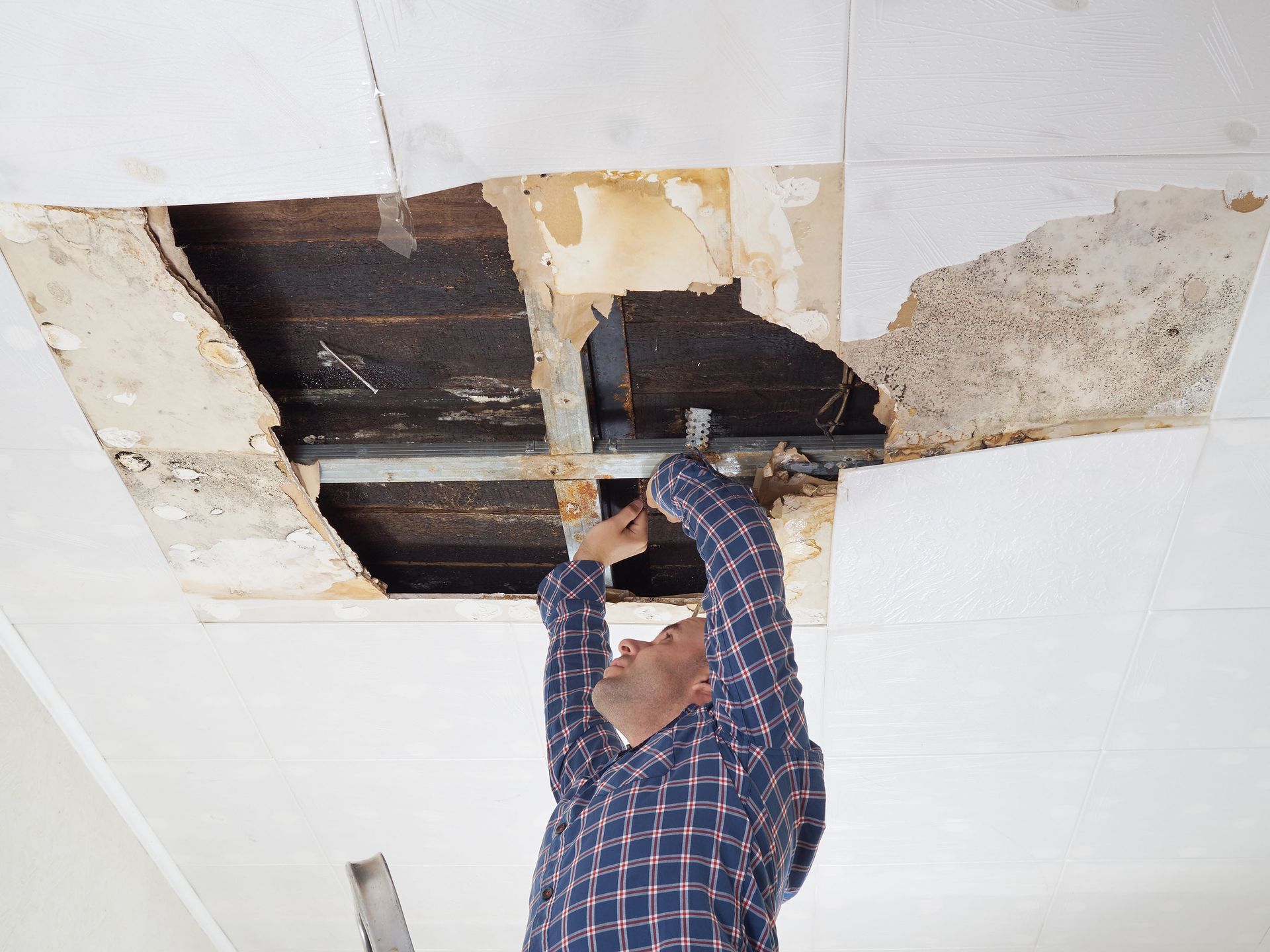
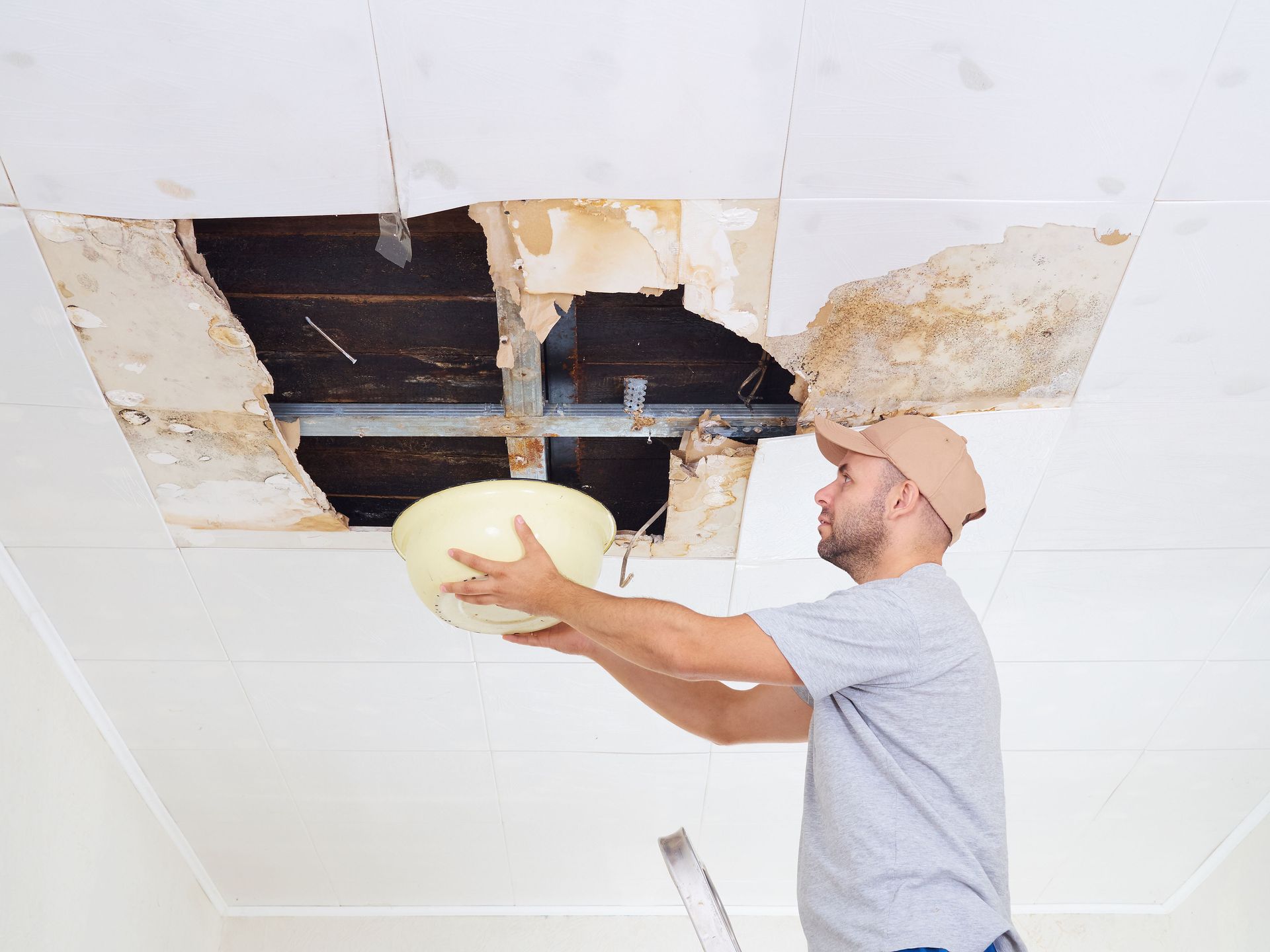
The first step in a mold removal project is usually determining why the mold is growing. Mold needs moisture, so an unresolved leak or humidity problem can allow growth to return after cleanup. Professionals may inspect plumbing fixtures, roofing, windows, foundations, HVAC components, and other possible sources. Moisture meters, thermal imaging tools, and visual inspection can help reveal damp building materials that are not obvious from the surface. Finding the underlying moisture source is essential because removing mold without correcting the water problem may only provide a temporary solution.
Property owners may already know what caused the problem, such as a burst pipe or recent flood, but other situations are less clear. A slow leak behind a wall can continue for weeks before stains or odors appear. In these cases, mold testing may help provide additional information about conditions in the building, especially when growth is suspected but not easily visible. Once the source is identified, repairs or moisture-control measures can be planned before or alongside remediation work.
Inspecting the Affected Areas
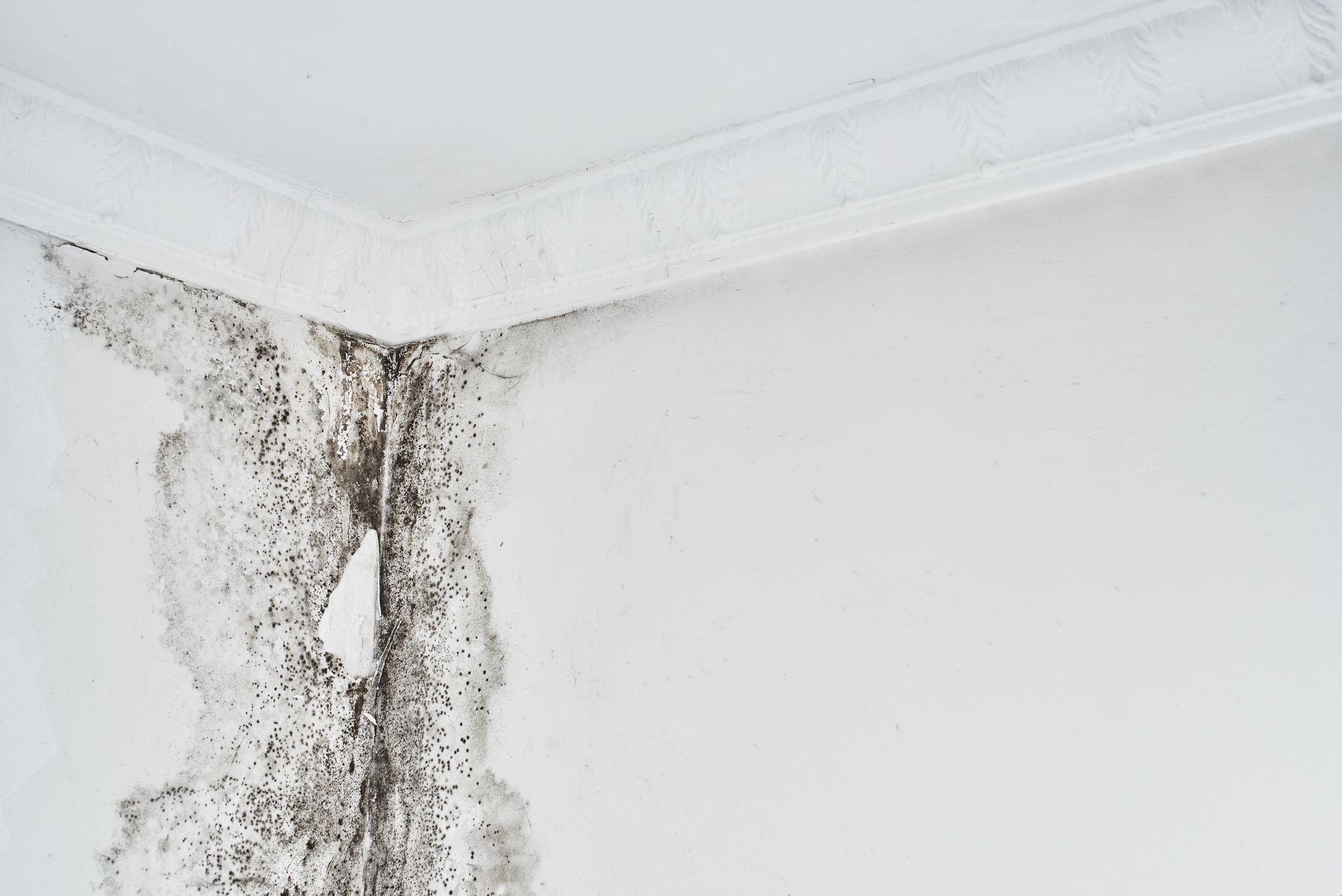
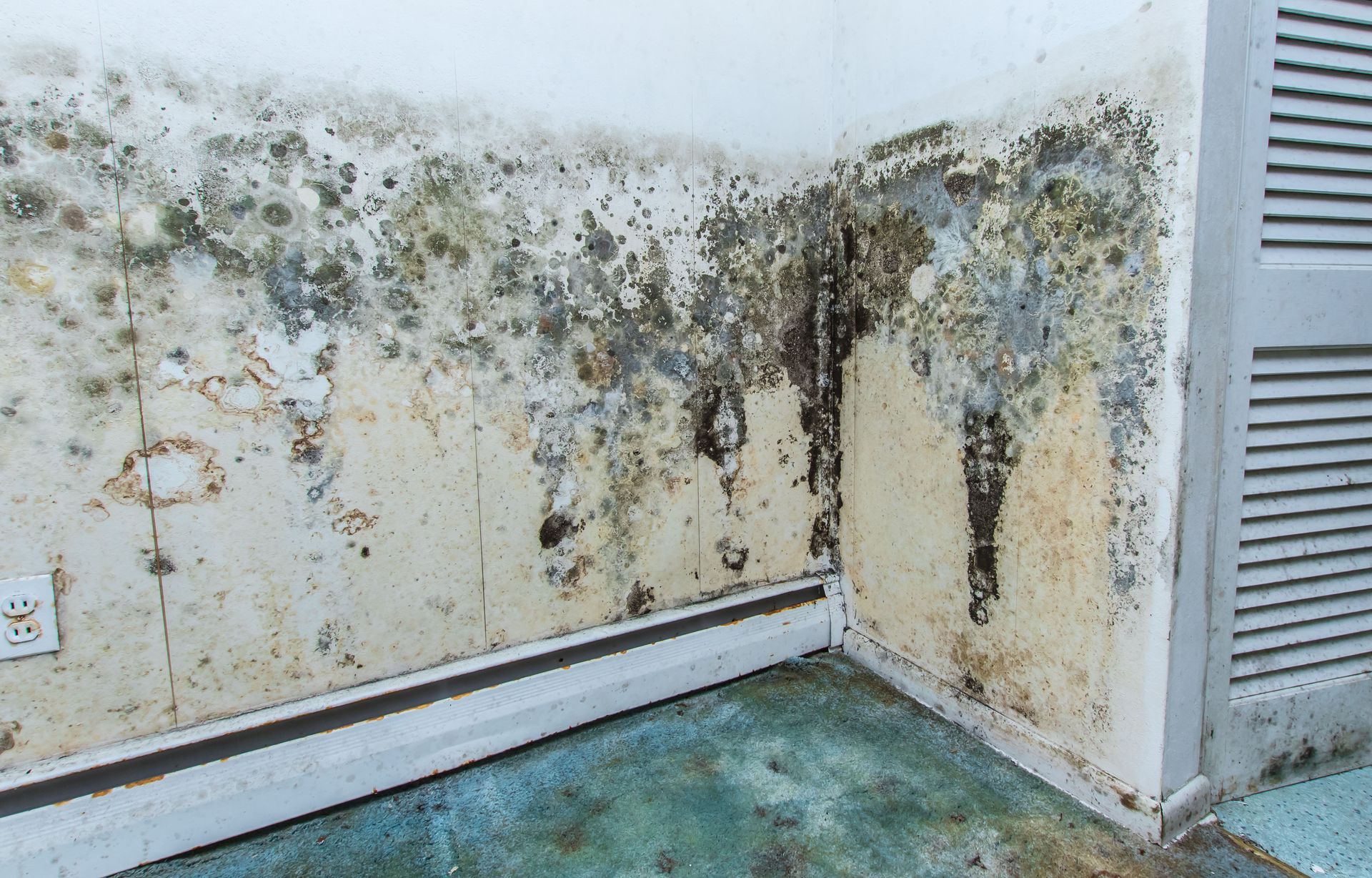
After the moisture source is investigated, the next step is determining how much of the property is affected. Mold can grow on visible surfaces, but it may also develop behind drywall, beneath flooring, above ceilings, or inside cabinets. A thorough inspection helps define the boundaries of the work area and identify materials that may need cleaning or removal. Professionals typically look for discoloration, staining, musty odors, water damage, and changes in building materials that suggest prolonged moisture exposure.
The inspection process may also help distinguish isolated surface growth from a larger moisture problem. According to Today’s Homeowner, some form of mold growth can be found in roughly 70% of homes across the United States. Because mold can occur in many different environments, the important question is often how extensive the growth is and what conditions are supporting it. Mold testing can sometimes be used with visual findings to better understand whether additional investigation is appropriate.
Containing the Contaminated Space
Once the affected area has been identified, containment is often established to reduce the movement of mold spores and debris into unaffected parts of the building. Depending on the size and location of the project, workers may use plastic sheeting, sealed doorways, and temporary barriers to separate the work zone. HVAC vents in the area may be covered or isolated so air movement does not carry particles through the duct system. Larger projects may also use negative air pressure to direct airborne contaminants toward filtered equipment rather than neighboring rooms.
Containment is especially important when damaged drywall, insulation, carpet, or other materials will be removed. Cutting, pulling, or disturbing contaminated materials can release particles into the air. Keeping the work area controlled allows technicians to remove those materials with less risk of spreading debris through the property. In some situations, a pre-remediation assessment can establish baseline information that may later be compared with post-remediation conditions.
Removing Contaminated Materials
Some mold-affected materials can be cleaned, while others may need to be discarded. Nonporous surfaces such as metal, glass, and certain finished materials can often be cleaned more successfully because mold does not penetrate them as easily. Porous materials, including drywall, insulation, ceiling tiles, and some carpeting, may be more difficult to restore when growth is extensive. The decision to remove a material typically depends on the type of material, the amount of contamination, its condition, and whether it can be cleaned thoroughly.
Materials that cannot be salvaged are generally removed carefully and placed into sealed bags or containers before being taken out of the containment area. This approach helps limit the spread of dust and spores through hallways and other occupied spaces. Structural materials that remain in place may be cleaned using methods appropriate for the surface. The goal is not merely to make stains disappear but to physically remove contaminated material and residue so the area can be dried and restored properly.
Cleaning and Drying the Remaining Surfaces
After damaged materials are removed, the remaining surfaces are cleaned according to their condition and composition. HEPA-filtered vacuums, damp wiping, and specialized cleaning techniques may be used to remove settled particles. Professionals avoid methods that unnecessarily disperse spores into the air. Wood framing and other structural components may require detailed cleaning if they were exposed to mold but are still structurally sound. The exact approach varies with the materials and extent of contamination.
Drying is equally important because mold can return if damp conditions remain. Dehumidifiers and air-moving equipment may be used to reduce moisture in the building materials and surrounding air. Moisture readings can help confirm whether the area has reached an acceptable level before reconstruction begins. Mold testing may also be considered at this stage in some projects, particularly when verification is required by a protocol, property transaction, insurance situation, or other specific circumstance.
Verifying the Remediation Results
Before walls are closed or new materials are installed, the work area may be evaluated to confirm that the remediation goals have been met. A visual inspection can check for remaining dust, debris, staining, or visible growth. Technicians may also verify that previously damp materials are now dry and that the original moisture source has been corrected. If damaged building materials are replaced before the area is properly dried, moisture can become trapped and create conditions for another mold problem.
Post-remediation mold testing may be used when an independent assessment, project protocol, or specific documentation requirement calls for it. Testing alone does not replace a visual inspection, but it can provide additional information about conditions after cleanup. In projects where testing is used, results may help determine whether the containment can be removed and restoration can proceed. Clear documentation of repairs, moisture readings, and remediation steps can also give property owners a useful record of the work completed.
Restoring the Property After Removal
Once the affected area has been cleaned, dried, and cleared for restoration, removed materials can be replaced. This may involve installing new drywall, insulation, flooring, trim, paint, or other finishes. The scale of reconstruction depends on how much material had to be removed during remediation. A small project may require only minor patching, while extensive water damage can involve rebuilding larger portions of walls, ceilings, or flooring systems.
Preventive measures should also be part of the final stage. Property owners can reduce the chance of future mold growth by repairing leaks promptly, maintaining appropriate indoor humidity, using ventilation in bathrooms and kitchens, and checking areas that have experienced water damage in the past. If new odors, staining, or moisture problems develop later, mold testing may help determine whether additional investigation is warranted. Ongoing attention to moisture is one of the most effective ways to protect the results of the remediation work.
The mold removal process is most effective when it addresses both the visible contamination and the conditions that allowed it to develop. Identifying moisture sources, inspecting affected areas, establishing containment, removing damaged materials, cleaning and drying surfaces, verifying the results, and restoring the property all work together to reduce the likelihood of recurring problems. Mold testing can provide useful information at different stages when circumstances call for additional assessment or verification, but successful remediation also depends on careful inspection and moisture control. If you need professional help evaluating or addressing a mold concern in your property, contact Environmental Assessments & Solutions, Inc.