September 23, 2026
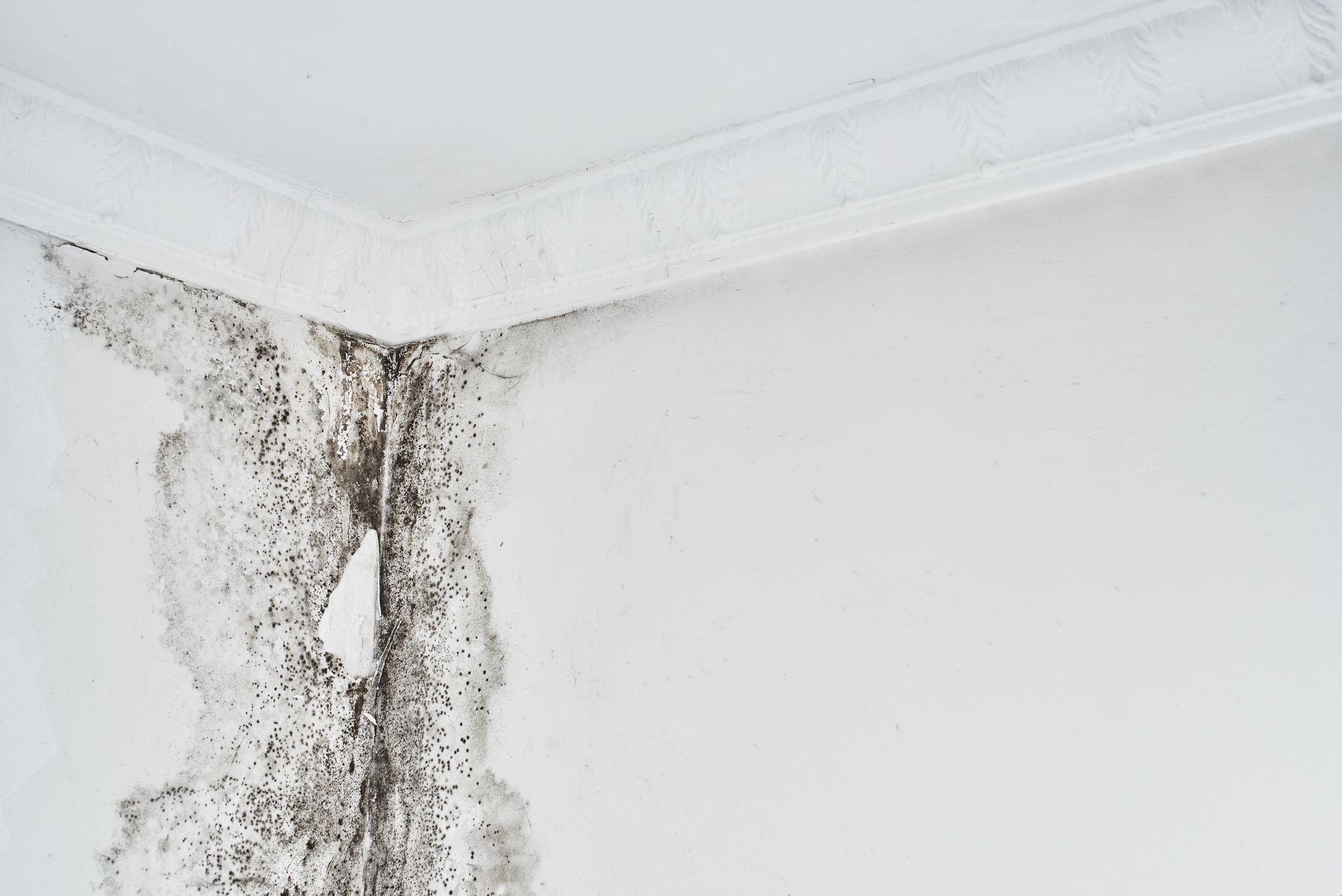
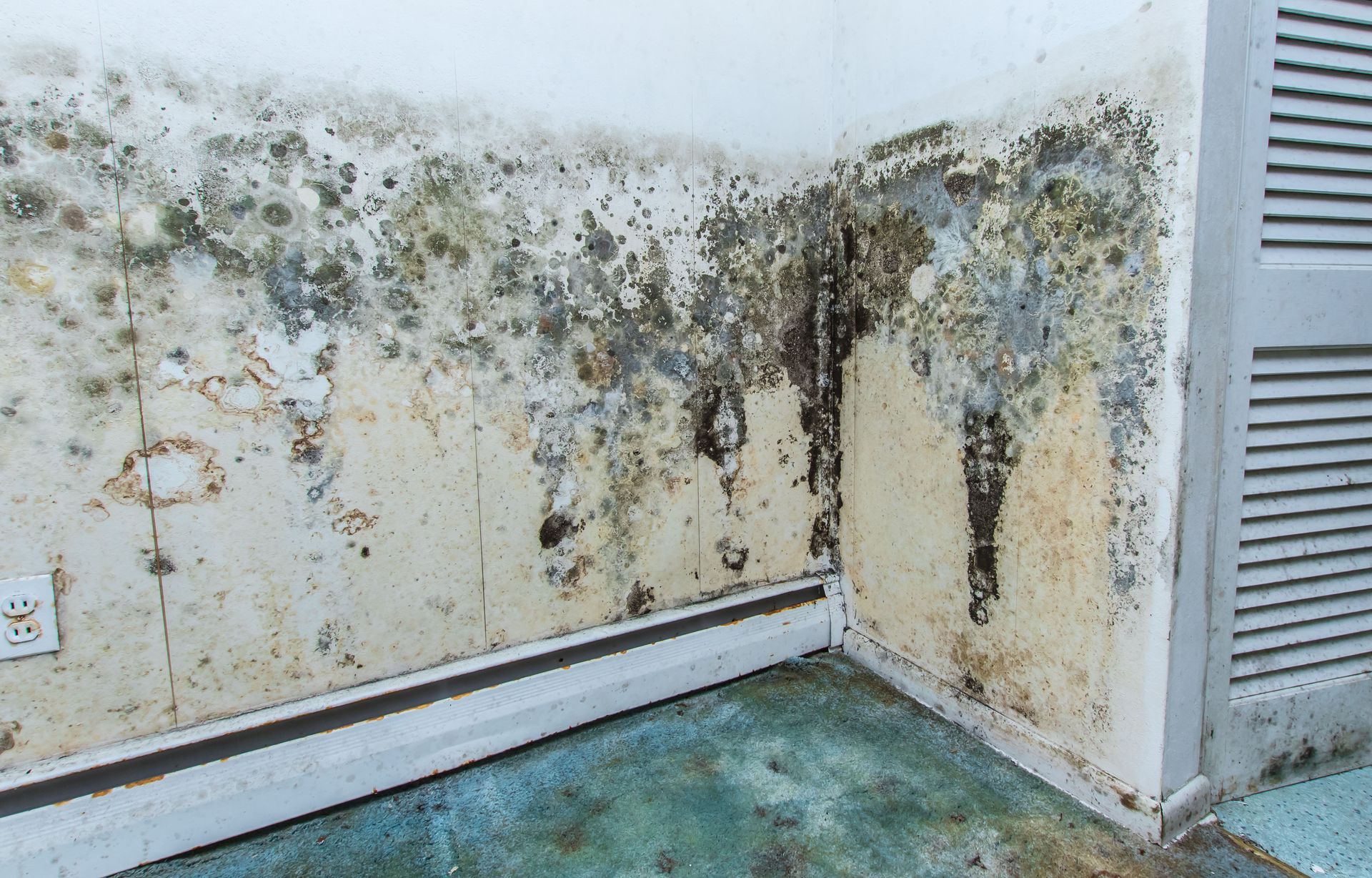
Mold can develop anywhere persistent moisture, limited airflow, and suitable organic materials are present. Because growth is not always visible, homeowners may overlook problems developing behind walls, beneath flooring, inside cabinets, or in other concealed spaces. A professional mold inspection focuses on areas where moisture problems are most likely to occur while looking for visible growth, water damage, unusual odors, and conditions that could support future contamination. Understanding which areas receive the most attention can help homeowners recognize warning signs and address moisture problems before they become more extensive.
Professionals typically consider both current conditions and the history of the property. Previous leaks, flooding, plumbing failures, roof damage, and high indoor humidity can all provide clues about where problems may be developing. According to RubyHome.com, mold contributes to 4.6 million asthma cases in the United States annually, illustrating why controlling indoor moisture and investigating suspected growth can be important for maintaining healthier living conditions. A thorough evaluation examines several areas of the home where moisture commonly accumulates.
1. Basements and Crawl Spaces
Basements are among the first places examined during a mold inspection because their below-ground location can make them particularly vulnerable to moisture. Water may enter through foundation cracks, plumbing leaks, poorly sealed windows, or seepage from surrounding soil. High humidity can also create damp conditions even when there is no obvious leak. Inspectors commonly examine walls, floors, ceilings, pipes, and other surfaces for staining, discoloration, deterioration, and other evidence of moisture.
Foundation cracks deserve particular attention because even small openings can allow water to enter during periods of heavy rain or saturated soil conditions. Professionals may look at the location and severity of cracks while considering exterior drainage and grading. Directing rainwater away from the foundation, maintaining gutters and downspouts, and repairing damaged foundation materials can help reduce recurring moisture problems.
Crawl spaces can present similar challenges. Restricted airflow, exposed soil, plumbing lines, and condensation may contribute to elevated humidity beneath a home. Inspectors may examine floor joists, subflooring, insulation, vapor barriers, and foundation surfaces. Improving drainage, repairing leaks, controlling humidity, and maintaining appropriate ventilation can make these spaces less favorable for unwanted fungal growth.
2. Basement Insulation and Storage Areas
Insulation can conceal moisture problems, especially when it has been exposed to water from a leak or flooding event. During an evaluation, professionals may check insulation for dampness, deterioration, staining, or improper installation. Wet insulation may lose some of its effectiveness while also keeping surrounding building materials damp for extended periods. Depending on its condition, damaged material may need to be removed and replaced after the moisture source has been corrected.
Storage practices also affect conditions in basements. Boxes, furniture, clothing, and other belongings placed tightly against exterior walls can restrict airflow and conceal developing moisture damage. Leaving appropriate space around stored items can make it easier to notice water intrusion and improve circulation. Keeping belongings off floors in areas with a history of seepage can provide additional protection against unexpected moisture.
3. Bathrooms
Bathrooms receive significant attention during a mold inspection because water and humidity are produced every day. Inspectors often evaluate areas around toilets, sinks, showers, bathtubs, and plumbing fixtures for leaks or signs of repeated water exposure. Discoloration, peeling paint, damaged drywall, loose flooring, and deteriorated caulk can indicate that moisture has reached materials that are difficult to dry.
Shower and bathtub areas are particularly important because cracked grout, failed caulk, damaged tiles, and poor drainage can allow water to reach surrounding walls or flooring. Even a relatively small opening can permit repeated moisture intrusion over time. Repairing deteriorated seals and keeping these surfaces in good condition helps keep water within areas designed to handle regular exposure.
Inspectors may also evaluate bathroom exhaust fans. A properly functioning fan helps remove humid air produced by showers and baths before condensation settles on walls, ceilings, windows, and other surfaces. Fans that are undersized, obstructed, damaged, or improperly vented may provide inadequate moisture control. Regular cleaning and proper operation can help ventilation systems continue performing effectively.
4. Areas Beneath Bathroom Fixtures
Not every plumbing problem produces an obvious puddle. Slow leaks beneath sinks, behind toilets, or around supply connections can keep building materials damp while remaining hidden from everyday view. Professionals may use moisture-measuring equipment to investigate suspicious areas and determine whether materials contain elevated moisture levels. Cabinets beneath sinks are frequently examined because plumbing connections and limited airflow can create favorable conditions for moisture accumulation.
Homeowners can reduce risks by periodically checking plumbing connections and responding to drips promptly. Musty odors, swollen cabinet materials, staining, or peeling finishes may indicate a problem that deserves closer attention. Correcting the source of moisture is essential because simply cleaning a visible surface will not prevent the issue from returning if materials continue getting wet.
5. Kitchens
Kitchens contain several potential water sources, making them another important area for a mold inspection. Sink plumbing, faucets, dishwashers, refrigerators, water supply lines, and garbage disposals may all develop leaks. Inspectors commonly look beneath sinks and around appliance connections for dampness, staining, deterioration, or previous repairs that could indicate recurring problems.
Cabinet interiors can be especially vulnerable because enclosed spaces often receive little airflow. A slow plumbing leak may therefore remain unnoticed for an extended period. Warped wood, swollen particleboard, discoloration, or musty odors can provide clues that moisture has been present. Keeping cabinets organized and periodically inspecting plumbing connections can make developing problems easier to identify.
Dishwashers and refrigerators with water or ice dispensers also deserve attention. Supply hoses, drainage lines, seals, and fittings can deteriorate with age. Water may travel beneath cabinets or flooring before becoming visible, potentially affecting a much larger area than expected. Routine appliance maintenance and prompt investigation of unexplained water can help prevent prolonged exposure.
6. Attics
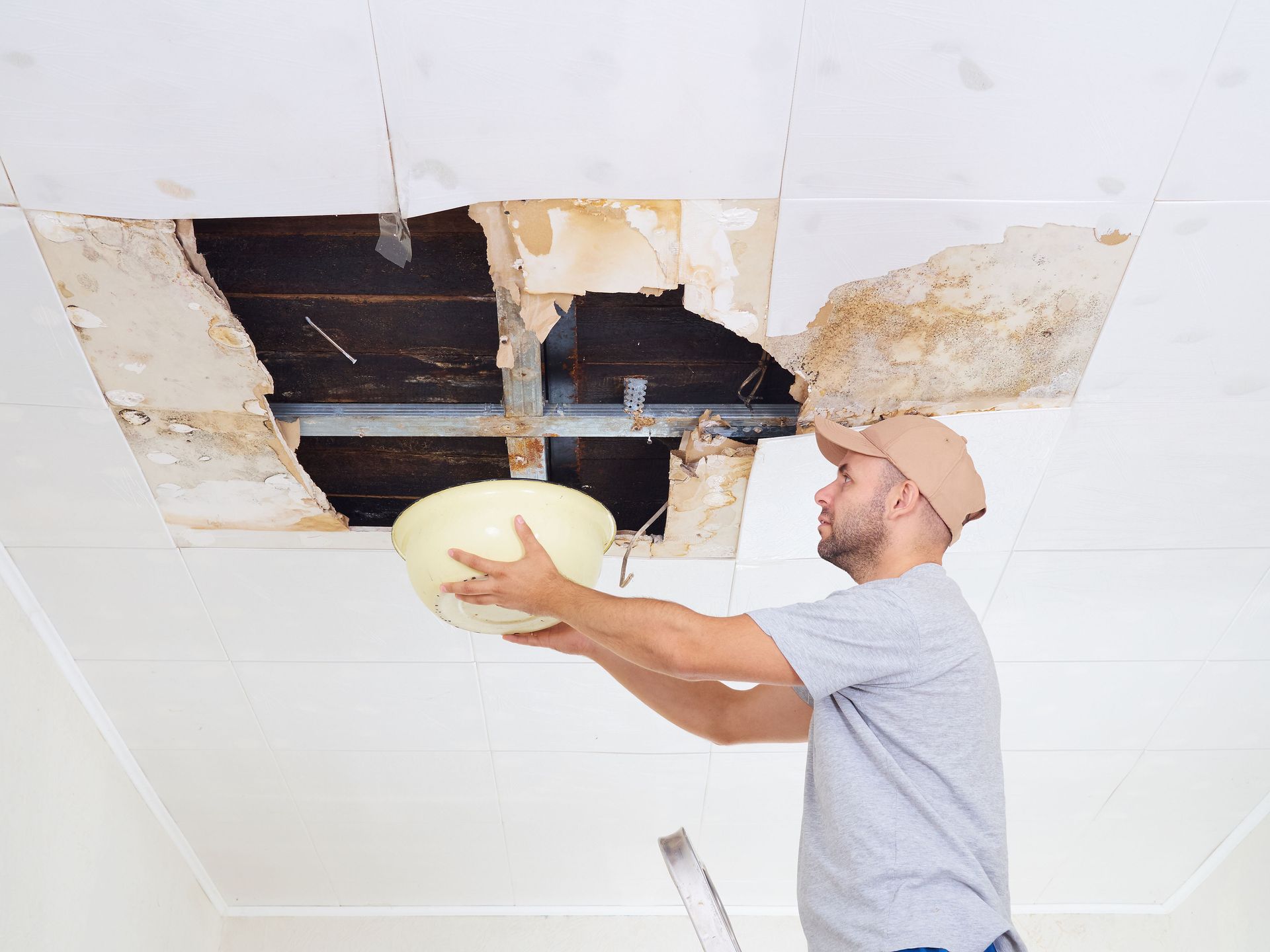
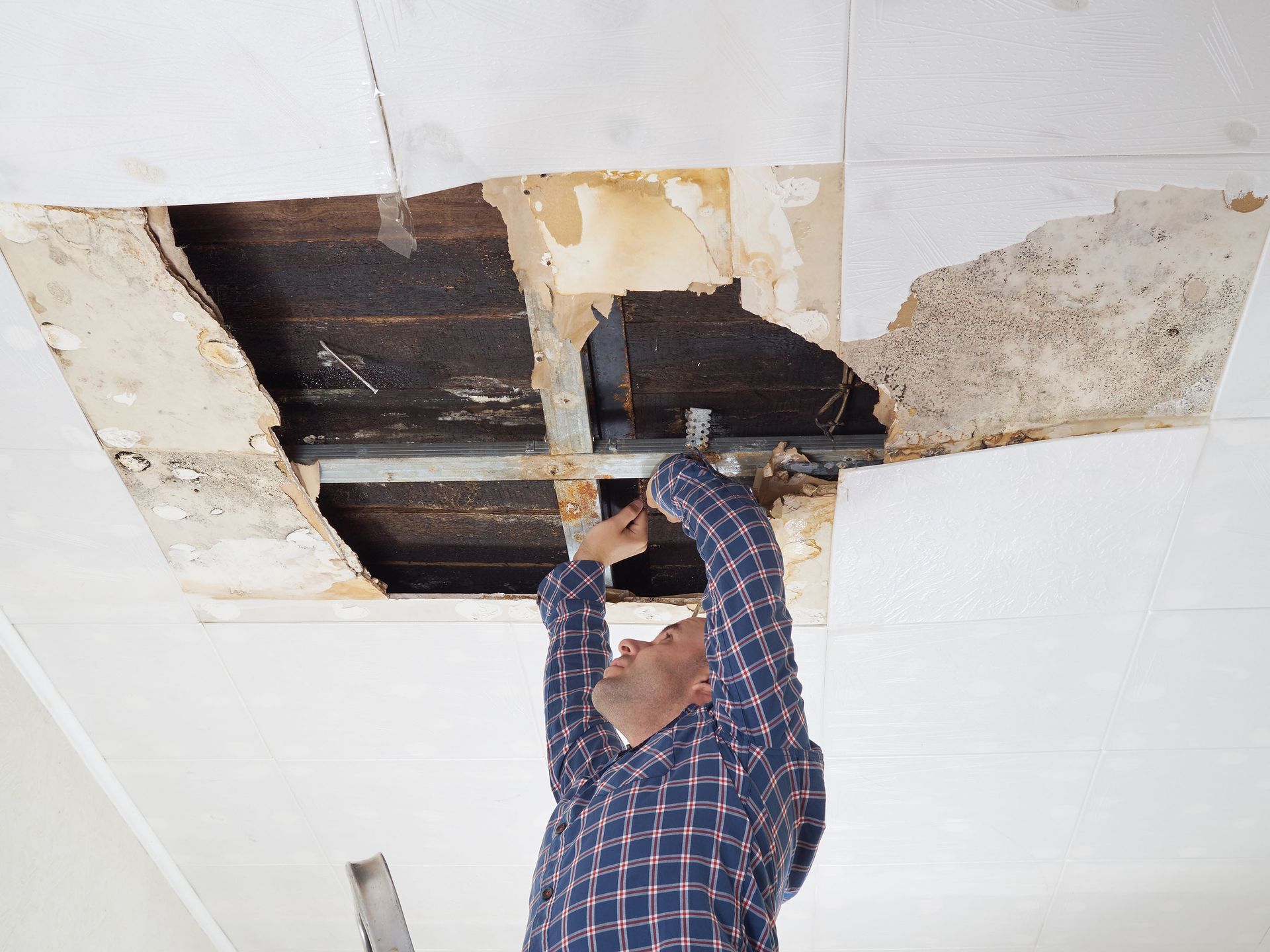
Attics are frequently evaluated during a mold inspection because roof leaks, condensation, and ventilation problems can introduce substantial moisture. Professionals may examine roof decking, rafters, insulation, vents, and areas surrounding roof penetrations. Dark staining, wet insulation, water marks, or deteriorated wood can indicate a current or previous moisture problem requiring additional investigation.
Roof leaks can originate around flashing, vents, chimneys, skylights, damaged shingles, or other vulnerable locations. Water does not always appear directly beneath the point where it entered because it can travel along rafters and other building components. Moisture meters and other diagnostic tools may help professionals narrow down suspicious areas that are not immediately visible.
Attic insulation is also examined because damp material can hold moisture against surrounding surfaces. Inspectors may look for compressed, displaced, stained, or deteriorated insulation and consider whether air leakage from the living space is contributing to condensation. Maintaining both the roof and insulation helps protect the attic from recurring moisture problems.
7. Attic Ventilation
Ventilation helps control heat and moisture within attic spaces. Blocked soffit vents, inadequate exhaust pathways, or improperly vented bathroom fans can introduce or trap humid air. When warm, moisture-laden air contacts colder roof surfaces, condensation can develop and repeatedly dampen wood and insulation. Inspectors therefore examine whether ventilation components appear clear and appropriately configured.
Bathroom and kitchen exhaust systems should generally direct moist air outside rather than release it into the attic. An exhaust duct terminating inside the attic can continuously introduce humidity whenever the fan operates. Correcting ventilation deficiencies can reduce condensation while supporting the durability of roofing and structural materials.
Professional evaluations can provide additional insight when the source or extent of a moisture problem is unclear. By examining basements, bathrooms, kitchens, attics, utility areas, exterior openings, HVAC components, and previously damaged locations, inspectors can identify conditions that deserve attention. Addressing the underlying source of moisture, rather than focusing only on visible symptoms, helps homeowners protect building materials and maintain a cleaner, more comfortable indoor environment over the long term. Contact our team at Environmental Assessments & Solutions, Inc today and learn more about our mold inspection services.