June 15, 2026
Maintaining a healthy living environment requires constant vigilance and proactive care. Homeowners dedicate substantial effort to cleaning surfaces, servicing HVAC systems, and maintaining structural components. However, unseen threats can develop quietly in the darker, damper areas of a house, compromising indoor air quality and threatening structural integrity. Fungal growth is a persistent challenge that thrives without immediate detection, spreading behind walls or under floorboards. Because this growth is rarely visible to the naked eye, property owners must rely on professional assessments to ensure their homes remain uncontaminated. Deciding when to address this potential issue is a common concern for property owners wanting to stay ahead of structural damage. While there is no universal timeline that applies to every property, understanding the unique risk factors associated with your house helps determine the ideal timing. Booking a comprehensive mold inspection is a vital step in discovering hidden issues before they escalate into severe crises.
Understanding The Basics Of Indoor Fungi
To effectively manage the safety of your home, you must first comprehend how fungal organisms operate within an enclosed environment. These organisms reproduce by releasing microscopic spores that float through the indoor air, searching for hospitable environments to settle and multiply. For these spores to thrive, they require a consistent source of moisture, a lack of adequate ventilation, and organic materials to feed upon. Common building materials such as drywall, wooden studs, insulation, and carpeting provide an abundant food source. When spores find a damp surface, they begin to grow and spread rapidly, often within days. As colonies expand, they release volatile organic compounds into the air, creating a distinct musty odor and negatively impacting indoor air quality. Because this process happens out of sight, relying solely on visual confirmation is risky. Regularly evaluating the environment for hidden growth is essential, and arranging a professional mold inspection is the most reliable way to uncover the true condition of your indoor spaces.
Recognizing The Warning Signs Of Moisture
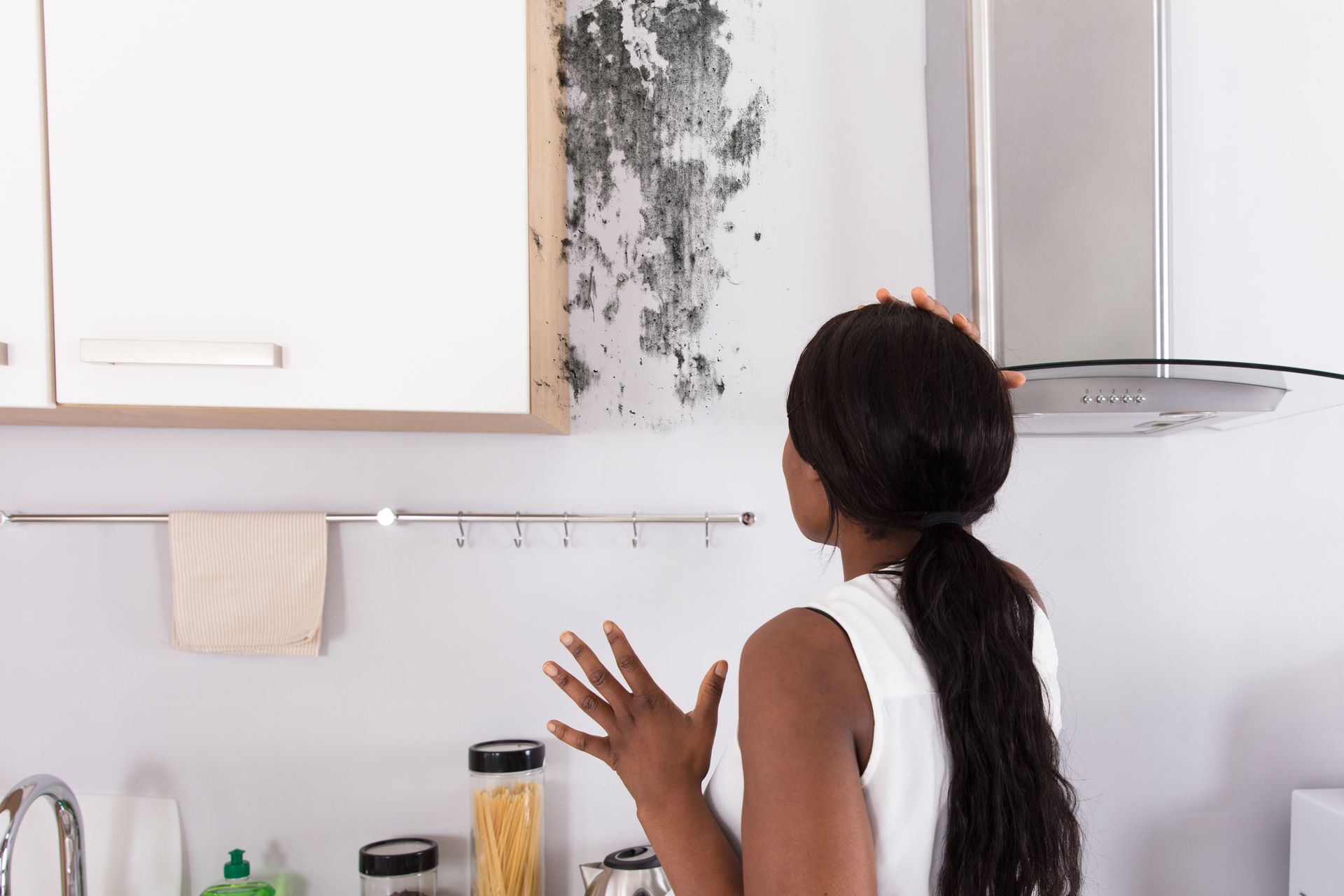
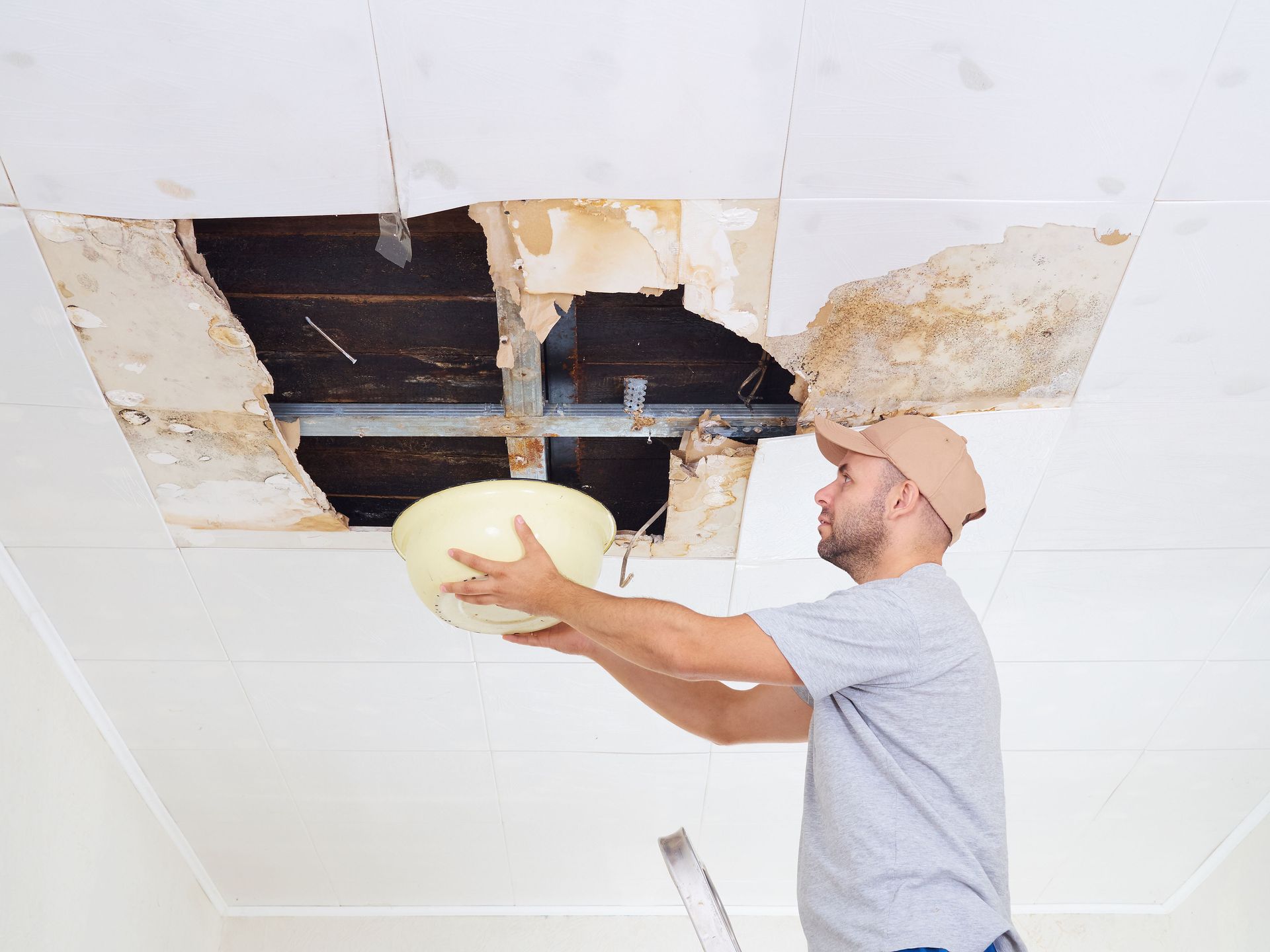
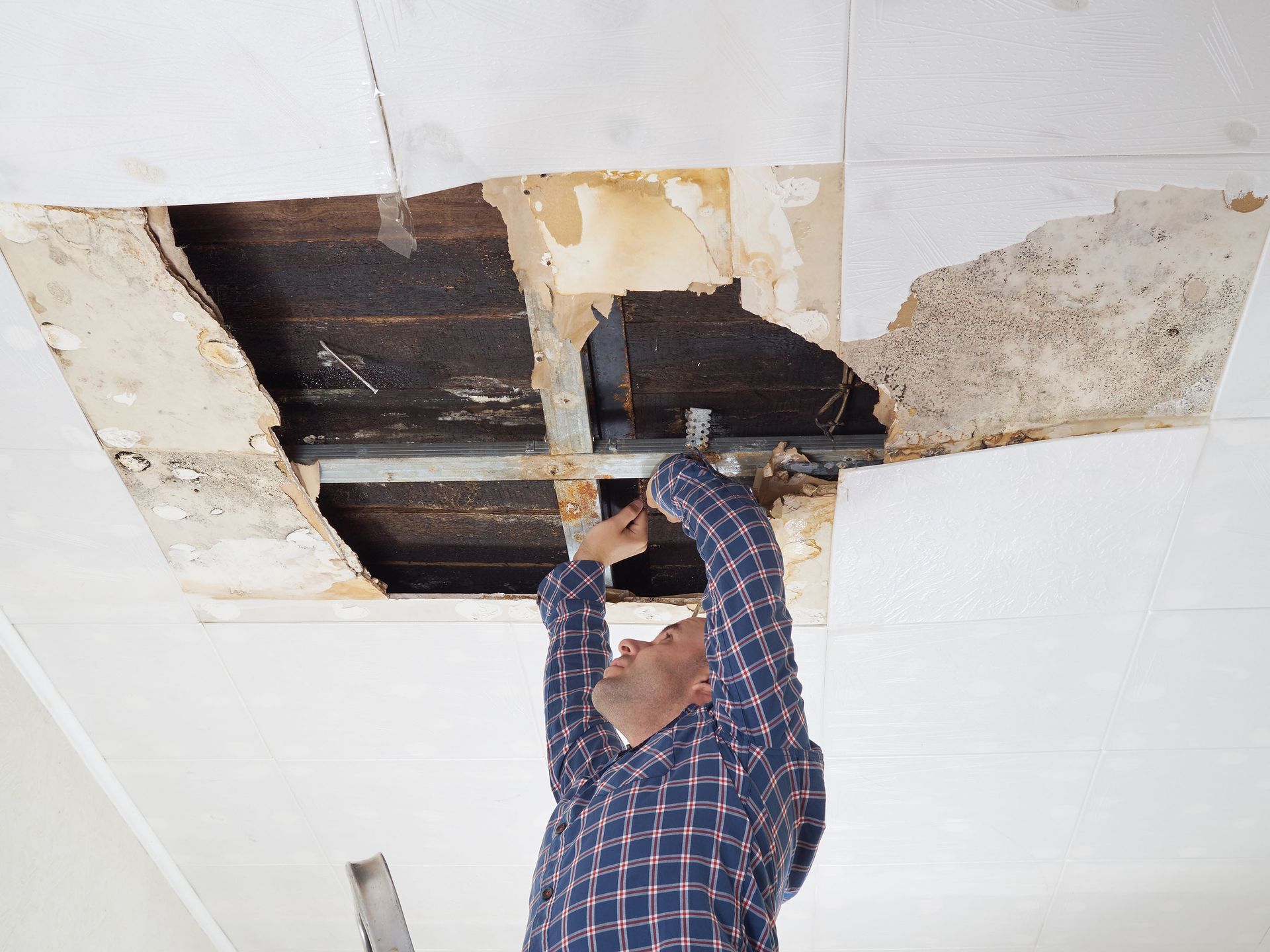
Moisture is the primary catalyst for indoor fungal growth, making water intrusion a critical issue demanding immediate attention. Whether water enters through a leaking roof, a fractured foundation, or a malfunctioning plumbing fixture, the resulting dampness creates an ideal breeding ground for unwanted colonies. Basements and crawl spaces are particularly susceptible due to their subterranean nature and poor ventilation. According to The Spruce, about 60% of homes in the U.S. experience issues with wet basements, and 38% are at risk of developing significant basement mold. If you notice persistent condensation on windows, damp spots on your ceiling, or bubbling paint on walls, these are clear indicators that excessive moisture is trapped within the structure. Furthermore, a lingering earthy or musty smell is a strong warning sign that colonies are actively digesting organic materials nearby. Ignoring these subtle warnings leads to extensive property damage and costly remediation. Whenever you observe unexplained dampness or smell a musty odor, prioritizing a mold inspection should be your next step.
Evaluating The History Of Your Property
The historical events and maintenance records of your residence play a significant role in determining how frequently you should evaluate the premises. Homes that have previously suffered from severe weather events, burst pipes, or overflowing appliances are at a much higher risk for recurrent issues. Even if previous water damage was supposedly dried and repaired, microscopic spores might have survived in hidden crevices, waiting for a slight increase in humidity to reactivate their growth cycle. Older homes may possess outdated plumbing systems or deteriorating weatherproofing that slowly allows moisture to seep into wall cavities over time. Without an understanding of the property's past, owners might unknowingly inherit dormant problems that flare up unexpectedly. Buyers purchasing previously occupied properties are highly encouraged to investigate the home's water damage history during the acquisition phase. Securing a thorough mold inspection before finalizing any real estate transaction ensures that you are not buying into an invisible, expensive, and potentially hazardous problem left behind by previous occupants.
Considering The Effects Of Local Climate
The geographical region where your home is located dramatically influences the likelihood of indoor fungal proliferation and dictates the necessity of frequent property evaluations. Homes situated in humid, coastal, or heavily forested regions are subjected to elevated levels of atmospheric moisture daily. This constant exposure to high humidity makes it challenging to maintain a dry indoor environment, as exterior air introduces moisture into the house through open doors, windows, and ventilation systems. Conversely, homes located in regions experiencing heavy seasonal rainfall or rapid snowmelt face cyclical threats of water intrusion and flooding. During periods of intense precipitation, surrounding soil becomes saturated, increasing hydrostatic pressure against your foundation and forcing water into lower levels. Property owners living in these high-risk climates must remain exceptionally vigilant regarding moisture control. For residents in these areas, scheduling an annual mold inspection is a wise precautionary measure to ensure that persistent environmental moisture has not compromised the safety and integrity of the home's interior spaces.
Prioritizing The Health Of Vulnerable Residents
The decision to evaluate your home for fungal growth should also be heavily influenced by the health status and sensitivities of the individuals living within the residence. Indoor air quality directly impacts the respiratory wellness of all occupants, but certain demographics are particularly vulnerable to airborne spores and volatile organic compounds. Infants, young children, elderly family members, and individuals with compromised immune systems or pre-existing respiratory conditions face a much higher risk of adverse health reactions. Symptoms of exposure range from chronic coughing, sneezing, and irritated eyes to severe allergic reactions and difficulty breathing. If members of your household experience unexplained, persistent allergy-like symptoms that seem to worsen indoors and improve when they leave the house, the indoor environment is likely the culprit. Protecting the well-being of your family requires a proactive approach to maintaining pristine indoor air quality. In these situations, setting up a comprehensive mold inspection is crucial to identifying the source of irritants and restoring a safe environment.
Establishing A Routine Maintenance Schedule
Establishing a routine property maintenance calendar is the most effective strategy for preserving the structural soundness of your home and preventing hidden infestations. Rather than waiting for a visible disaster to strike, responsible property owners understand the value of preventative assessments. Routine evaluations allow professionals to detect microscopic issues before they escalate into massive, destructive colonies requiring you to tear out walls and replace significant portions of the framework. A solid maintenance plan should include regularly clearing gutters to direct water away from the foundation, checking the attic for proper ventilation, and ensuring that all plumbing fixtures are watertight. While personal diligence is important, a homeowner's visual check cannot replace the advanced diagnostic tools utilized by trained professionals. Thermal imaging cameras and specialized moisture meters can detect dampness hidden deep within building materials that would otherwise go unnoticed. Incorporating a professional assessment into your standard property maintenance routine provides unparalleled peace of mind, ensuring that your home remains a dry and healthy sanctuary.
Maintaining a dry, healthy, and structurally sound home is an ongoing responsibility that requires awareness, dedication, and timely professional intervention. By understanding the nature of indoor fungi, recognizing early warning signs of moisture intrusion, and considering the unique history and climate of your property, you can make informed decisions about property upkeep. Protecting the vulnerable members of your household from poor indoor air quality should always remain a top priority. When you prioritize regular evaluations, you save yourself from the financial burden and emotional stress of extensive structural repairs down the road. If you suspect that your home has a hidden moisture issue or if you simply want to establish a baseline of health for your living spaces, do not wait for the problem to become visible. Reaching out for professional guidance is the best way to secure your property. For a thorough and accurate mold inspection, contact Environmental Assessments & Solutions, Inc. today to learn more and ensure your home remains a safe haven.