June 18, 2026
The rise in awareness about the potential health risks associated with mold has led to an increased demand for professional mold inspection services. Understanding the significance of these services is crucial for maintaining safe and healthy living environments. Mold is more than just an unsightly problem; it can severely impact air quality and health. Acknowledging the importance of early detection and professional remediation can help in effectively managing mold-related issues. In this article, we will explore the significant aspects of mold and why professional inspections are indispensable.
Understanding Mold and Its Hazards
The Biology of Mold
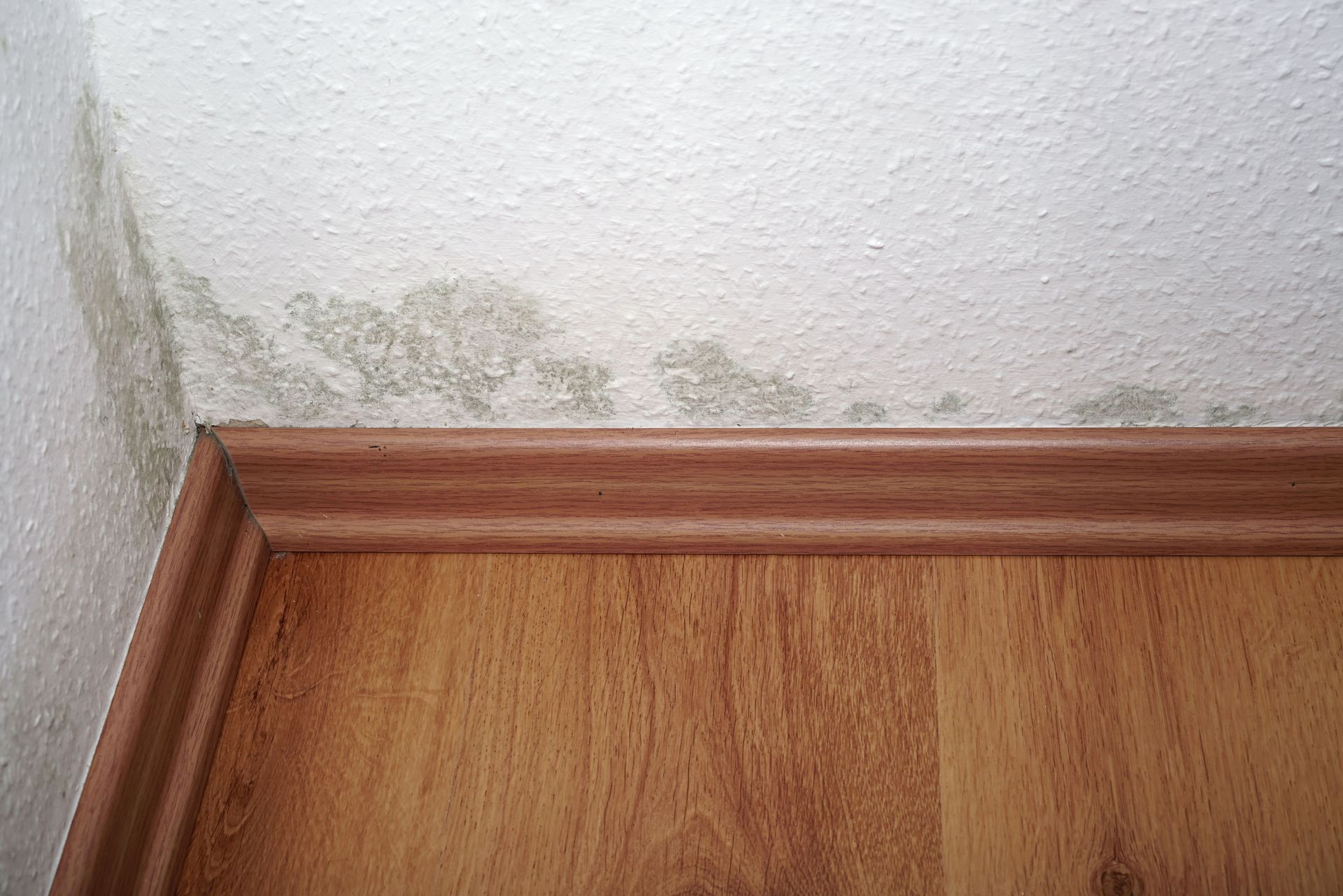
Mold is a type of fungus that grows in multicellular structures known as hyphae. These hyphae form the visible colonies that we often associate with mold. Mold spores, which are invisible to the naked eye, are everywhere and can enter a home through windows, doors, or vents. When they land on damp surfaces, they begin to grow and can lead to serious property damage. Without understanding the biological makeup of mold, addressing its growth can be challenging.
The lifecycle of mold is such that it thrives in moist and warm conditions, which explains why it is often found in bathrooms, basements, and kitchens. Effective mold management starts with controlling moisture levels. Identifying and correcting water damage promptly can prevent mold from establishing colonies in the first place. Mold's natural resilience makes it difficult to eliminate altogether without specialized knowledge and tools. Thus, an understanding of its biology is key to effective mold management.
Active mold growth leads to the production of allergens and irritants that can trigger adverse reactions in people. Some molds also produce toxic byproducts known as mycotoxins. Long-term exposure to these can lead to severe respiratory issues, making early detection critical. Mold inspection services employ experts who understand these threats and can take necessary precautions. The Intersection of biology and health risk makes it essential to understand mold beyond its superficial attributes.
Common Types of Indoor Mold
There are hundreds of species of mold, but a few are more common in indoor environments. Stachybotrys chartarum, often referred to as black mold, is infamous for its association with water-damaged building materials. Then there is Aspergillus, which is frequently found in HVAC systems and damp fabrics. Cladosporium, known for forming in cool places, grows on wood and other porous surfaces. Identifying these common molds requires expertise and the right tools.
Knowing which type of mold you're dealing with is essential for effective remediation. Some, like Alternaria, thrive in damp areas like showers or under leaky sinks. Others, like Penicillium, can appear on wallpaper and carpet as they have a great ability to spread in lower humidity areas. Mold inspection services specialize in identifying the species at hand, which can significantly affect the approach to remediation. Different molds pose different health risks, making accurate identification paramount.
Professional mold inspectors are trained to recognize visual signs and utilize specialized testing methods to identify species. This step is crucial because improper treatment can lead to recurrence or even exacerbate the problem. Identifying the specific type of mold informs the choice of treatment strategy, whether chemical, thermal, or biological. Accurate identification also contributes to creating a safer and cleaner home environment by targeting the mold at its source. Addressing mold species accurately keeps homeowners informed and prepared.
Health Risks Associated with Mold Exposure
Mold exposure can lead to a variety of health issues, particularly affecting the respiratory system. Common symptoms include sneezing, coughing, and wheezing, but it can also cause skin and eye irritation. People with compromised immune systems or underlying respiratory conditions, like asthma, are at greater risk. Long-term exposure may lead to more serious issues, including chronic respiratory conditions and even neurological symptoms. Understanding these risks makes professional mold inspection all the more essential.
Children and the elderly are especially vulnerable to mold spore exposure. For these populations, exposure can result in more severe health problems like allergic reactions and infections. When mold is visible or suspected, addressing it promptly reduces these health risks. According to RubyHome mold stats, nearly 47% of residential buildings show visible or detectable mold problems. This statistic illustrates the widespread nature of the issue and the potential risk it poses to health.
Preventing exposure requires more than just tidying up visible mold. Professional inspections are designed to uncover hidden threats—mold that may be growing behind walls or under floors. By doing so, they provide comprehensive protection for home occupants. Safety protocols during inspection and remediation further minimize the risks associated with exposure. By understanding the health implications, homeowners can make informed decisions regarding mold management.
Environmental Impact of Mold Growth
Mold can have significant environmental impacts, affecting indoor air quality and property value. When mold grows extensively, it releases spores into the air, which can contaminate ventilation systems and reduce air quality throughout the building. This air pollution is not just an inconvenience; it can exacerbate health issues for the occupants. Over time, the presence of mold can also decrease the resale value of a property, as potential buyers prioritize homes with a clean bill of health.
Structures affected by mold growth often need more than just cleaning; extensive repairs or replacements may be required. Materials like wood, drywall, and carpet may have to be removed entirely to ensure that mold does not resurface. By affecting the structural integrity, mold imposes a considerable financial burden on property owners. Sorting these issues early with a professional inspection and remediation plan can save costs and maintain the environmental safety of the home.
Mold's impact extends beyond individual households. Communities dealing with widespread mold issues may find property values lowering collectively, affecting local economies. Additionally, excessive mold growth can complicate city planning and rehabilitation projects. Addressing mold's environmental impact involves local governments, who may introduce legislation to enforce building codes focusing on mold prevention. Therefore, understanding and managing mold growth is crucial for broader environmental sustainability.
Legal and Safety Standards for Mold
Various jurisdictions have distinct legal and safety guidelines for mold management. These standards serve to protect homeowners and tenants by ensuring that living conditions are safe and sanitary. Certain states have enacted legislation mandating mold investigations and remediation in rental properties. Such legal provisions compel property owners to maintain a healthy environment, ensuring tenants' safety. Understanding these legal obligations is essential for both homeowners and landlords.
Failing to adhere to mold-specific safety standards can result in legal actions and fines. Various regions have established mold regulations due to increasing public health concerns. Property owners are responsible for not just removing visible mold but preventing potential future occurrences. By staying current with legal requirements and safety standards, property owners can proactively mitigate mold-related liabilities. This not only secures their investments but also promotes trust and transparency between landlords and tenants.
Compliance with legal and safety standards also improves property marketability. Prospective buyers or tenants often prioritize properties that demonstrate proactive maintenance and safety measures. Mold inspection services often offer a comprehensive report detailing inspected areas, recommendations for remediation, and proof of compliance with regulations. Providing such reports to potential buyers or tenants helps establish credibility and confidence. Legal standards thus encourage proper mold management and foster long-term, healthy living environments. Be sure to reach out to Environmental Assessments & Solutions, Inc today to learn more about our professional mold inspection services!