October 21, 2026
Maintaining a healthy indoor environment is crucial for overall well-being, and one of the most reliable ways to evaluate a property is through professional mold testing. Mold growth expands across moist environments, creating spores that linger in the air and potentially lead to respiratory problems, allergies, and ongoing distress for occupants. Standard mold testing services detect and measure fungal proliferation, offering property owners clarity and an actionable blueprint for necessary remediation.
A proper environmental evaluation involves a methodical assessment of an entire property, establishing whether microscopic spores have compromised indoor air quality. Each phase in this diagnostic process is vital for accurately identifying fungal colonies and assessing their potential impact on human health. Thorough mold testing services demystify hidden moisture dynamics, providing owners with the specialized guidance required to protect indoor spaces. The eventual outcome is a reliable, data-backed assessment that outlines exact measures to maintain clean air and structural stability.
Conducting Initial Site Consultations
The initial consultation establishes the groundwork for the entire testing procedure. During this collaborative phase, inspectors gather detailed background information to tailor the assessment to the building. Clients provide relevant details regarding visible water damage, persistent odors, and occupant respiratory symptoms. This background inquiry aids technicians in understanding the scope of potential contamination, ensuring resources target vulnerable zones.
Gathering comprehensive property records is equally fundamental during the initial review. Technicians examine structural maintenance logs, past plumbing leaks, and any regional weather events that may have introduced moisture. Insights regarding building age, construction materials, and existing ventilation systems help predict where hidden moisture might accumulate. Reviewing this background enables inspectors to deploy specialized investigation strategies, making on-site evaluations timely and effective.
Inspectors also clarify specific client concerns, expectations, and desired outcomes before physical testing begins. Open dialogue ensures everyone shares mutual goals regarding indoor environmental safety. Property owners have the opportunity to highlight specific rooms of concern, such as damp basements or humid crawl spaces, which helps professionals focus their attention. Establishing transparent communication sets a cooperative foundation, helping testing progress smoothly toward meaningful solutions.
Inspecting Physical Spaces for Moisture
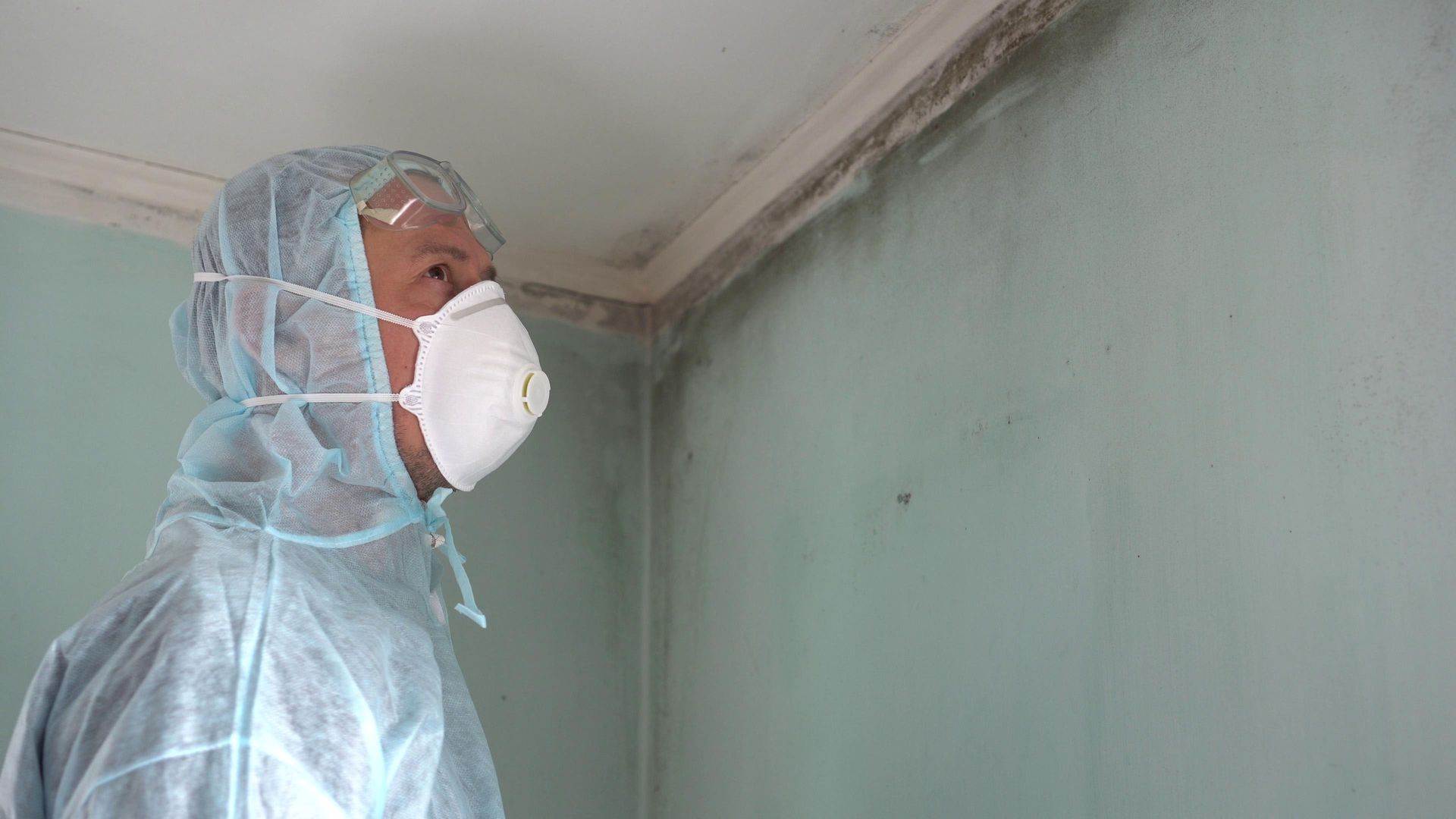
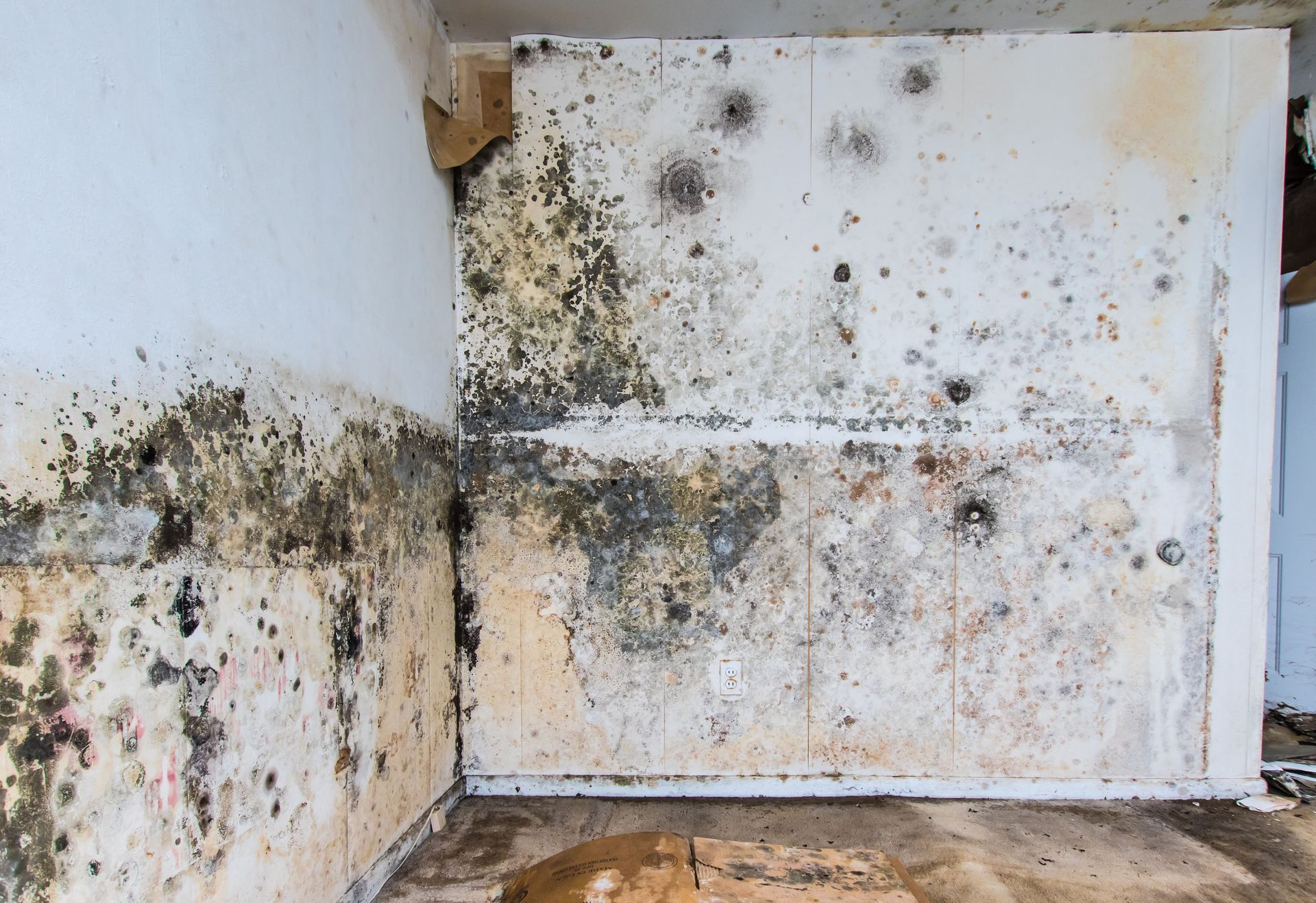
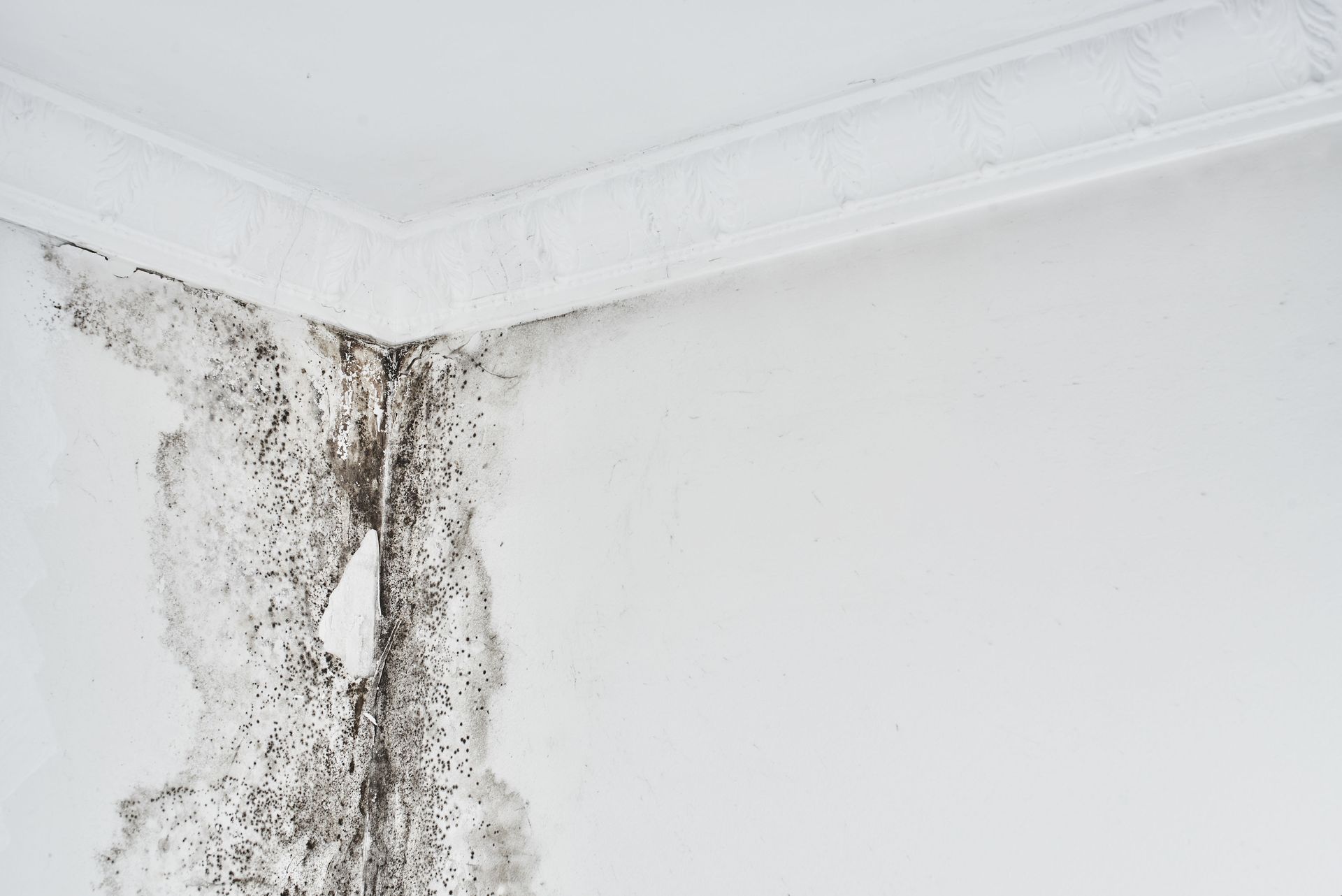
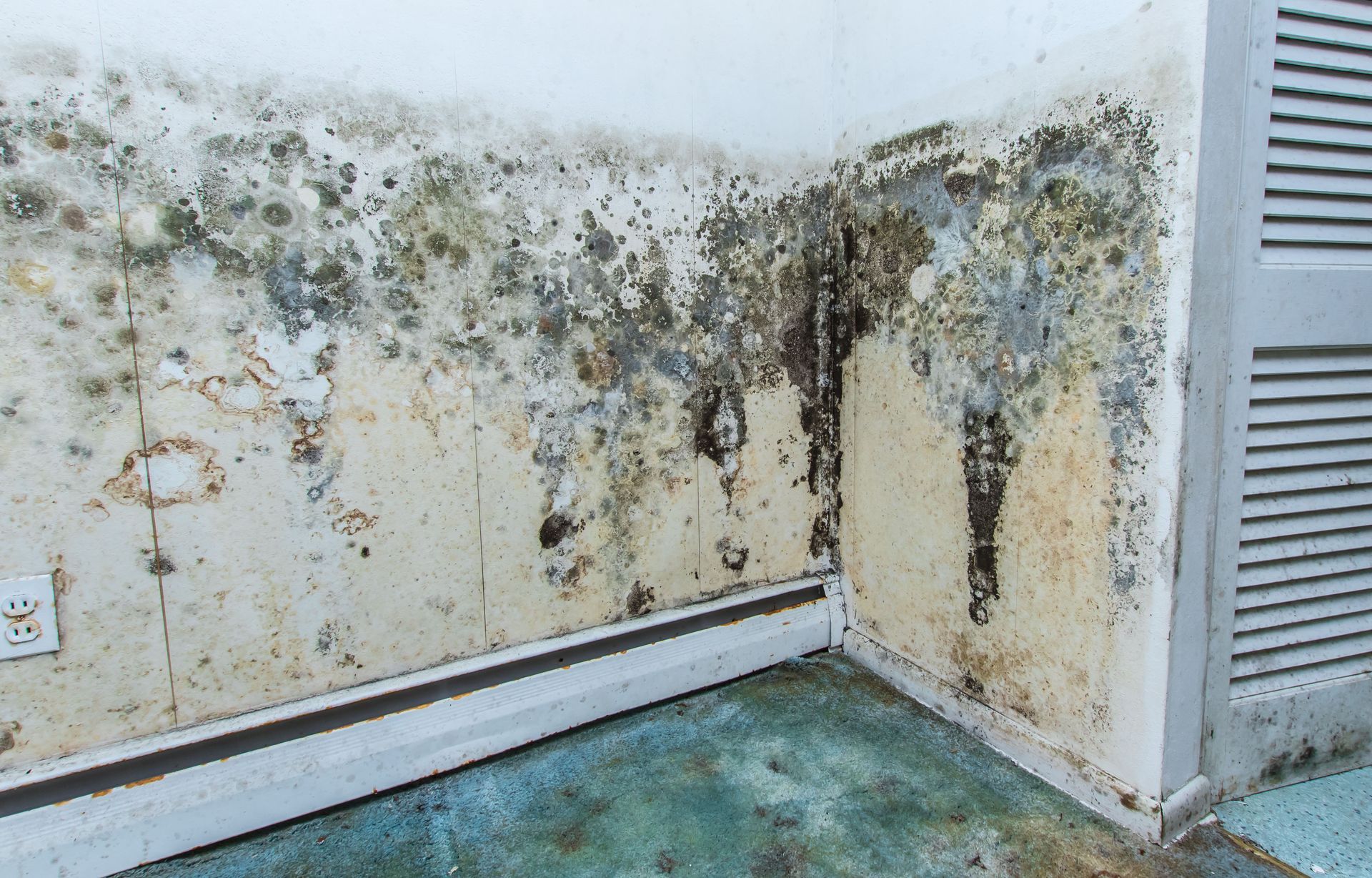
Following the consultation, professionals perform a thorough visual inspection to identify active colonies and structural water intrusion. This hands-on examination involves a systematic walkthrough of every room, emphasizing areas prone to moisture buildup. Technicians inspect basements, attics, kitchens, and crawl spaces where high humidity and plumbing fixtures frequently create conducive conditions. Inspectors look for peeling paint, warped baseboards, and water stains that signal previous or active leaks.
Assessing ventilation and relative humidity levels is another essential component of the physical walkthrough. Inspectors use specialized moisture meters and hygrometers to evaluate dampness across drywall, framing lumber, and concrete flooring. Adequate airflow prevents stale, moisture-laden air from condensing on cold surfaces. Identifying restricted circulation patterns helps uncover invisible conditions that support fungal development, allowing inspectors to trace moisture back to its original source.
Visual documentation is meticulously compiled throughout this physical evaluation to establish an irrefutable record. Technicians capture high-resolution photographs of suspect discoloration, deteriorated building materials, and plumbing defects. These photographic records serve as a visual baseline, cross-referencing field observations with upcoming laboratory findings. Clients receive clear visual proof of localized problems, which helps support insurance claims and informs contractor estimates for repairs.
Testing Indoor Air for Contaminants
Evaluating indoor air quality is a foundational aspect of standard mold testing services. Even when visible growth is absent, elevated concentrations of microscopic spores can circulate through heating and cooling systems. Inspectors deploy calibrated air sampling pumps equipped with specialized spore traps to capture airborne particulates over measured intervals. Baseline samples are gathered outdoors simultaneously, providing a control standard against which indoor air quality is objectively measured.
After atmospheric collection, the sealed cassettes are sent to an accredited environmental laboratory for rigorous microscopic evaluation. Technicians determine total spore counts and categorize the specific fungal types present within the living spaces. Fast turnarounds are standard practice; according to HomeGuide, professional analysis typically requires 24 to 48 hours once technicians deliver surface or air specimens to the testing facility. This prompt turnaround ensures owners obtain actionable data without prolonged delays.
Interpreting atmospheric data requires comparing indoor spore concentrations with outdoor control baselines. An indoor environment that exhibits higher spore counts than outdoor air suggests an active reservoir requiring prompt remediation. Conversely, indoor levels matching outdoor composition indicate typical background conditions. These air quality metrics give property managers clear evidence regarding whether spores have infiltrated the breathing zone, ensuring contamination does not escape detection.
Sampling Affected Surfaces Directly
Direct surface sampling complements atmospheric evaluation by identifying specific fungal growth found on building components. When visual inspections uncover suspect discoloration, technicians collect physical specimens using sterile swabs, clear tape lifts, or bulk material extractions. Swabs allow inspectors to collect particles from uneven or textured areas, while tape lifts preserve fungal structures for microscopic examination. These methods provide concrete physical evidence from suspicious structural surfaces.
Surface specimens undergo laboratory examination to confirm whether visible stains represent active fungal colonies or harmless cosmetic blemishes. Technicians analyze the physical samples under high magnification, identifying distinct fungal genera and confirming spore viability. This targeted confirmation is essential for differentiating superficial mildew from destructive species. Comprehensive mold testing services rely on these surface evaluations to delineate the exact boundaries of physical colonization.
Collecting surface samples also clarifies whether porous construction materials can be salvaged or require complete removal. Certain aggressive fungal strains break down cellulose fibers within drywall, subflooring, and insulation, weakening structural components. Laboratory confirmation of deep fungal penetration guides contractors in selecting appropriate removal protocols. By accurately diagnosing surface colonization, inspectors ensure cleanup strategies address every affected element without unnecessary demolition costs.
Compiling Comprehensive Assessment Reports
The culmination of professional mold testing services is the production of a comprehensive, transparent assessment report. This formal document synthesizes field observations, moisture readings, photographic evidence, and certified laboratory findings into a cohesive summary. Technicians present complex microbiological findings in accessible terminology, enabling property owners to understand the scope of contamination. The completed report serves as an authoritative record verifying environmental conditions.
Beyond cataloging existing conditions, the assessment report provides customized recommendations designed to resolve underlying moisture sources. Technicians outline practical steps for property rehabilitation, including repairing plumbing leaks, installing commercial dehumidifiers, or hiring certified remediation contractors. Addressing root causes alongside active contamination ensures remediated spaces remain free from recurring microbial proliferation. Property owners gain a clear roadmap for restoring a clean indoor environment.
The evaluation report frequently recommends clearance testing once remediation contractors complete their containment and cleaning procedures. Post-remediation clearance testing involves repeating the visual walkthrough alongside air and surface collection to verify all fungal reservoirs were successfully eradicated. This vital quality-assurance measure guarantees that airborne spore concentrations have returned to normal environmental baselines. Professional mold testing services support property owners throughout the process, ensuring full confidence in building safety.
A thorough environmental assessment provides property owners with the accurate information necessary to resolve moisture issues and protect indoor health. Combining detailed site assessments, meticulous visual inspections, scientific air monitoring, and targeted surface sampling guarantees an exhaustive evaluation of your living space. Professional mold testing services eliminate uncertainty, replacing guesswork with certified scientific data.
Protecting your property against hidden moisture damage requires decisive action and experienced guidance. If you suspect microbial growth or notice persistent moisture in your building, we invite you to contact our team at Environmental Assessments & Solutions, Inc. to schedule a comprehensive inspection.