October 19, 2026
A musty odor, recurring dampness, or discoloration after a leak can leave a homeowner uncertain about what is happening inside the property. Visible changes may suggest a problem, while the conditions behind them remain less clear. Professional assessment can help connect those observations with moisture conditions, inspection findings, and testing where appropriate. The goal is information that explains the concern and supports decisions about what should happen next.
Choosing a mold testing service involves considering how the property will be assessed and how the findings will be explained. Residential experience, attention to moisture sources, appropriate sampling, and useful reporting all contribute to that process. Homeowners benefit from understanding what an assessment can establish before arranging an appointment. A thoughtful choice starts with the questions that need answering and ends with findings that can be understood in relation to the home.
Begin With a Detailed Consultation
An initial consultation gives the inspector an opportunity to understand why the homeowner is seeking help. Previous leaks, recent flooding, persistent odors, or dampness in particular rooms can provide relevant background for the assessment. These details help connect the inspection to the property's history rather than treating every home as an identical situation. A provider should take time to understand the concerns and explain how the planned evaluation relates to them. For example, dampness that repeatedly returns in one room raises a different inspection question from staining left after a single water event.
Before hiring a mold testing service, homeowners can clarify who will conduct the inspection, prepare the report, and answer questions about the findings. Experience with residential properties matters because a home's basements, attics, crawl spaces, and finished rooms can present different conditions. Licensing and insurance are also practical credentials to discuss when considering a provider. Knowing who is responsible for the assessment gives the homeowner a clear point of contact from the initial conversation through the explanation of the report.
Look for Attention to Moisture Sources
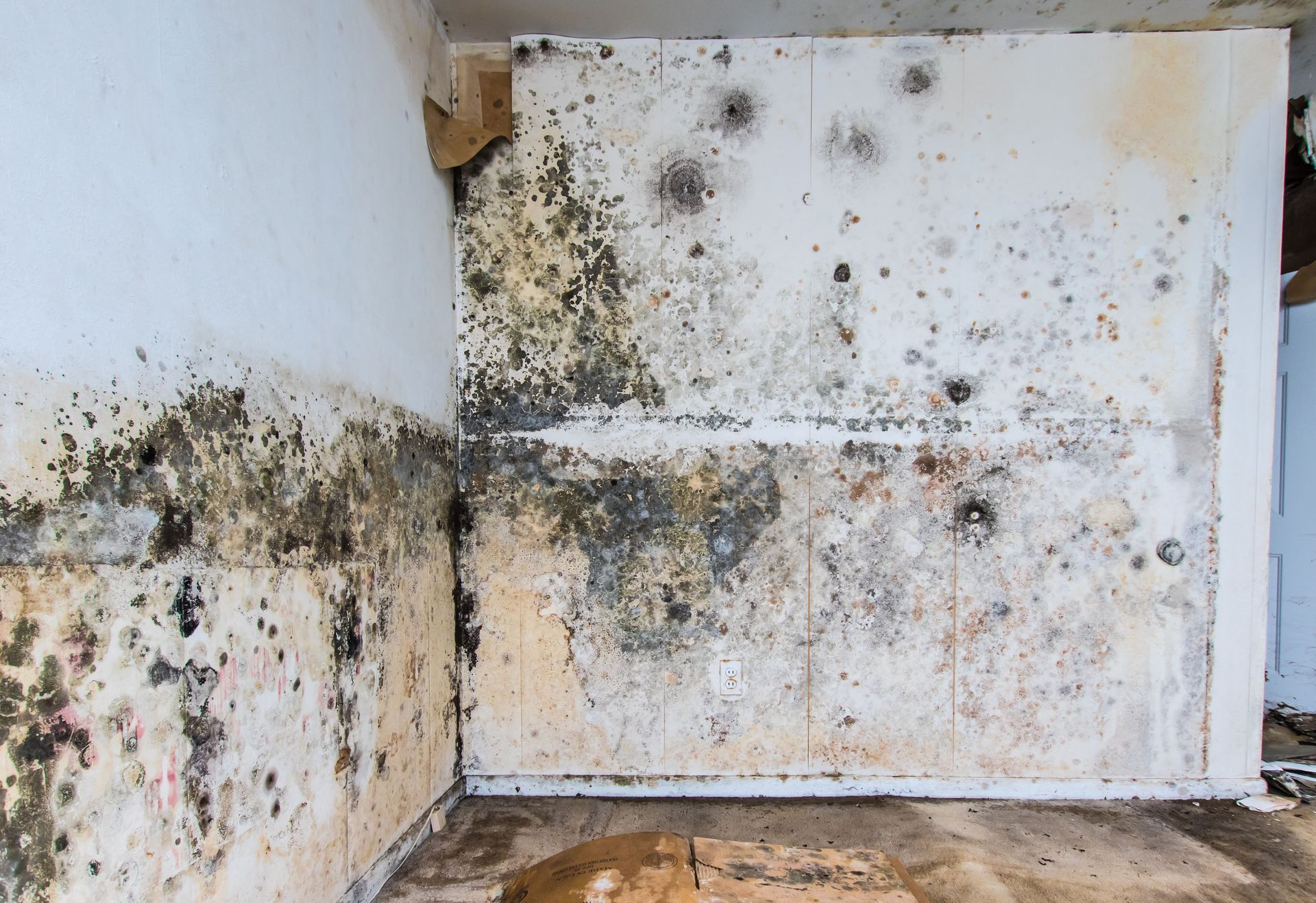
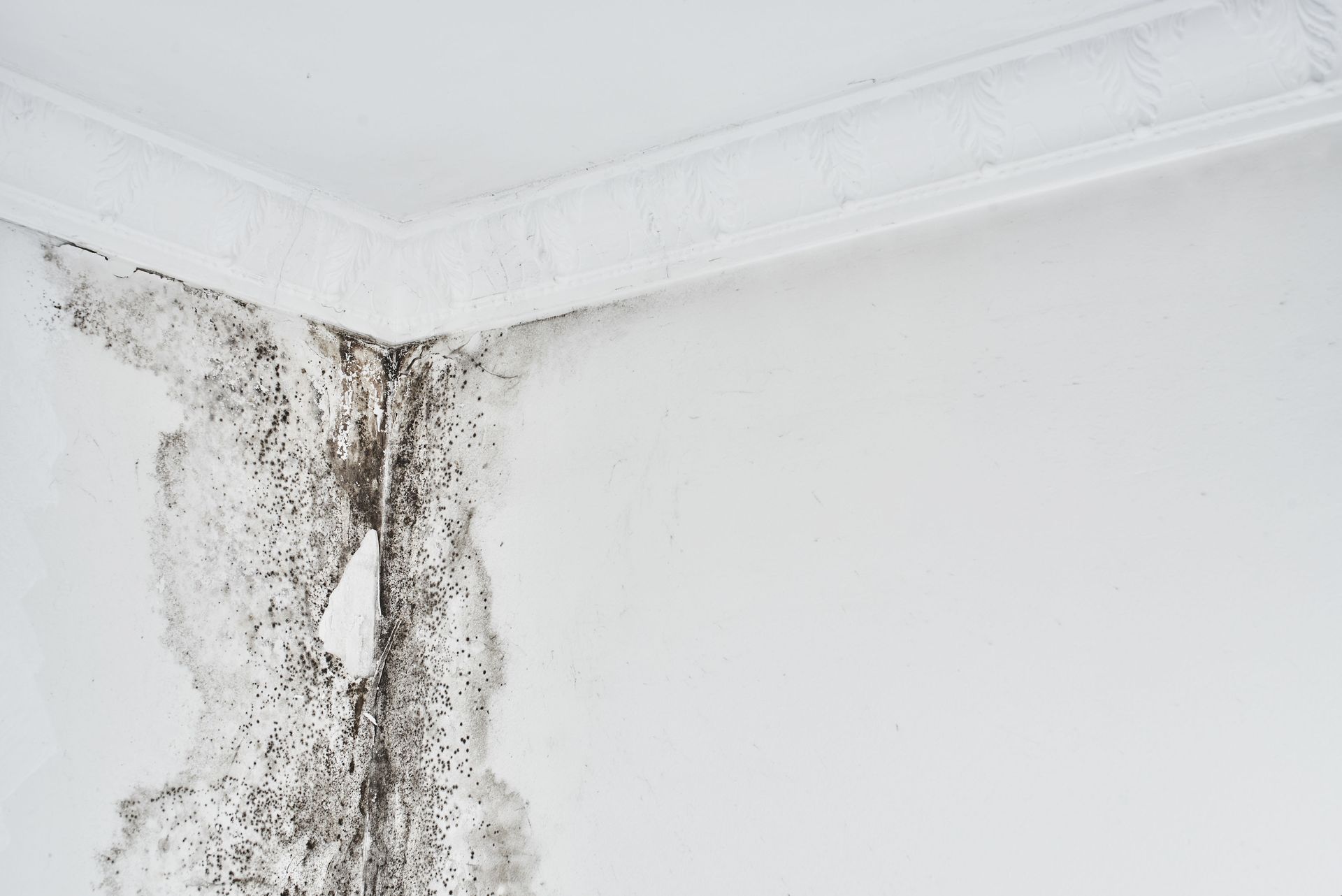
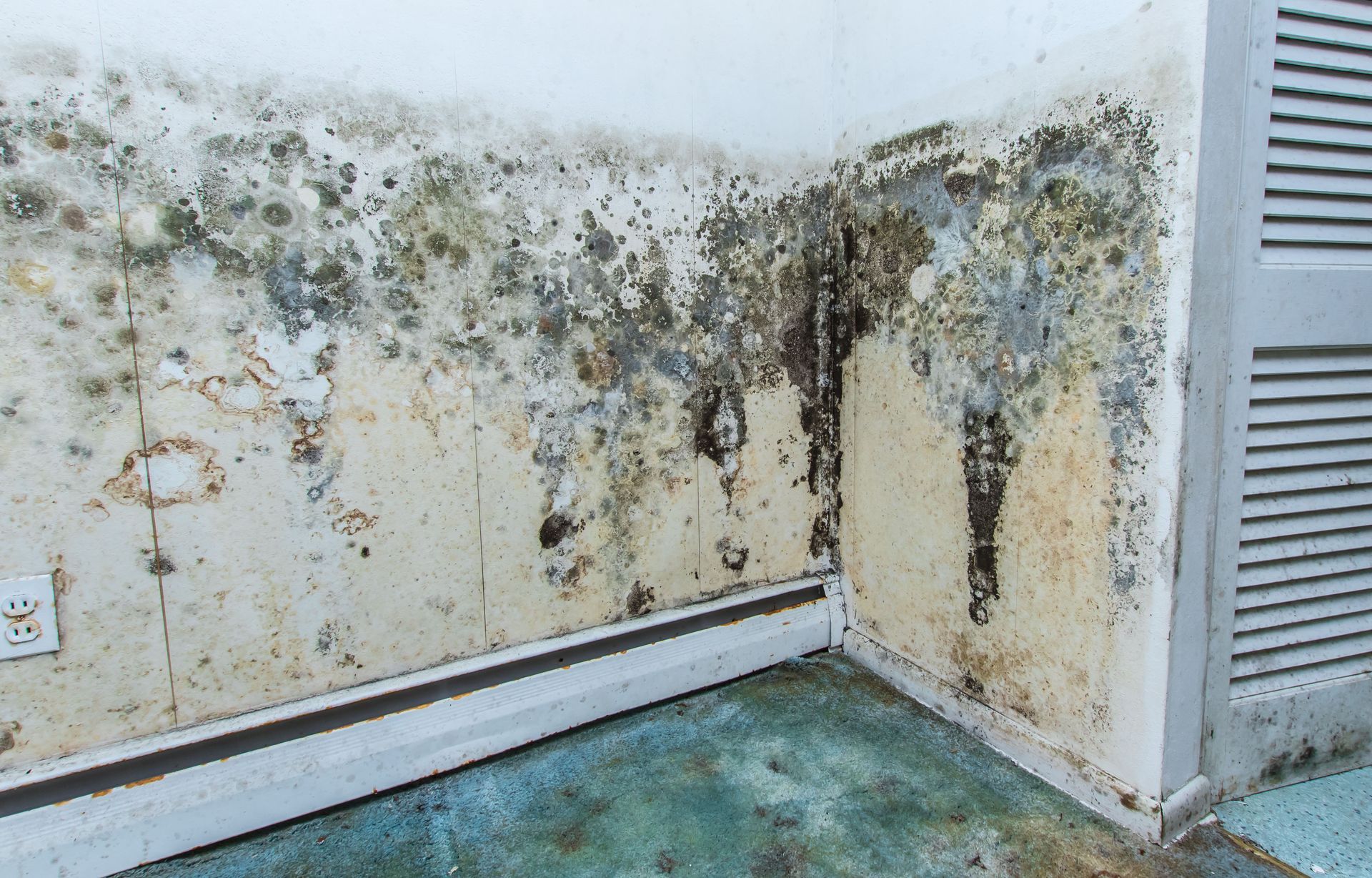
Mold concerns often involve conditions that extend beyond a visible patch on a wall. Leaks, condensation, high humidity, or inadequate ventilation can contribute to dampness in building materials and areas that are rarely occupied. An assessment should consider those conditions alongside visible growth or water damage. Identifying a likely moisture source helps explain why a particular area is affected and what issues may need attention after the inspection. A musty odor near a finished wall may warrant investigation even when the homeowner cannot see a clear source of moisture.
Moisture investigation is an important part of a mold testing service because testing alone does not explain how a damp condition developed. Tools such as moisture meters and thermal imaging cameras can support an investigation of areas that are difficult to assess visually. Homeowners can ask how accessible spaces will be examined and how suspected problems in concealed areas will be evaluated. Clear explanations of access and any need for further evaluation help set realistic expectations for what the inspection can establish.
Understand the Purpose of Sampling
A mold testing service should explain how sampling relates to the questions raised during the inspection. Depending on the assessment, air or surface samples may provide information about conditions in a particular area of the home. Visible growth does not automatically make sampling necessary, so the reason for collecting a sample matters. The sampling plan should be connected to a defined question and informed by the inspector's assessment of the property. Because an air sample reflects conditions at the time it is collected, the result should be interpreted alongside the observations made during the visit.
When samples are collected, the laboratory's role and the reporting process should be clear. The provider should explain whether collected samples will be sent to an accredited laboratory and how the findings will be incorporated into the report. Air samples concern airborne material, while surface samples examine material collected from a particular surface in the home. Homeowners can ask what information the selected samples are expected to contribute and how that information will help answer the original concern.
Expect Results to Be Interpreted in Context
Spore counts can draw attention because they appear to offer a straightforward measure of indoor conditions. According to Rubyhome.com, indoor air containing 10,000 or more mold spores per cubic meter is a cause for concern. There is no federally established limit for airborne mold, however, so that figure cannot serve as a universal dividing line between safe and unsafe conditions. Visible growth or an unresolved moisture problem can warrant attention even when a spore count is below that figure. Counts need professional interpretation alongside the property's moisture conditions and inspection findings.
The explanation provided by a mold testing service should connect individual results with what was found in the home. A damp basement with water staining raises questions about moisture intrusion that a count alone cannot answer. Likewise, a result from one sampled area needs to be understood in relation to the concern that prompted testing there. Homeowners should receive an explanation of what the findings support, which questions remain, and whether further evaluation is recommended.
Consider Independence in Recommendations
Independence is worth discussing when an inspection may lead to recommendations for corrective work. An assessor that does not perform the work it recommends can keep its role focused on documenting conditions and developing an appropriate response. Homeowners can clarify whether the assessor also performs the remediation it recommends and how that relationship affects the assessment. The distinction matters when interpreting recommendations: the report should explain the problem identified and the reason for the proposed next step.
The response to mold should account for the moisture condition that helped it develop. A plan may address both remediation and prevention, using the findings to explain which areas need attention and which contributing conditions were identified. For example, visible growth near a window and repeated condensation there warrant an explanation of how those conditions may be connected. Keeping that connection explicit makes the assessment more useful when considering corrective work, while the assessor remains responsible for evaluation and guidance.
Ask About Reporting and Next Steps
A detailed report should connect observations, test results, and recommendations in language the homeowner can understand. Moisture readings, descriptions of affected areas, laboratory findings, and photographs where included can help explain the basis for the conclusions. Photographs document visible conditions, while moisture readings describe measurements in the area examined. Written observations give a record of what was found during the visit, so the report remains useful after the inspection ends. Each recommendation should connect to the relevant observation or test result, allowing the homeowner to understand the basis for the proposed response.
A homeowner considering a mold testing service can also ask how questions about the report will be addressed after results are available.
Recommendations may include remediation, moisture control, monitoring, or further evaluation, depending on the findings. When corrective work has already taken place, testing may also help assess its effectiveness as part of an appropriate evaluation. Understanding those possibilities gives the homeowner a clearer basis for discussing the next stage while keeping assessment and corrective work distinct.
A useful assessment leaves the homeowner better able to understand the property's condition and make decisions about unresolved concerns. Choosing a provider that explains its approach and findings makes that information easier to use after the inspection is complete. At Environmental Assessments & Solutions, Inc, we provide independent residential mold and moisture inspections and testing, with reports and recommendations to guide next steps. Contact us to discuss your property's concerns and arrange an assessment.