April 21, 2026
Maintaining a healthy living or working environment requires a proactive approach toward identifying and mitigating potential environmental hazards. Among the various concerns that property owners face, the presence of fungal growth is often the most persistent and hidden threat to structural integrity and occupant well-being. A professional assessment is the first step in uncovering these invisible issues and creating a clear path toward remediation. Understanding the intricacies of this process can help alleviate the anxiety often associated with environmental testing. Many people worry about the invasive nature of the search or the potential for bad news, but a thorough examination from a local mold inspection service is actually a tool for empowerment and long-term property protection.
The goal of a specialized assessment is to provide a comprehensive snapshot of the fungal ecology within a building. By utilizing advanced technology and scientific methodologies, experts can pinpoint moisture sources and growth patterns that the average eye would miss. This clarity is essential for making informed decisions about repairs and health precautions. As we delve into the specific stages of a professional visit, it becomes clear that every step is designed to provide maximum accuracy and peace of mind. From the initial visual survey to the final laboratory results, the journey toward a cleaner environment is defined by technical precision and a commitment to safety.
Beginning the Initial Consultation and Interview
The process usually starts with a detailed conversation between the property owner and the environmental professional. During this stage, the inspector will ask questions about the history of the building, any known past water damage, and specific areas where odors or visible staining have been noticed. This phase is crucial because it helps the technician develop a hypothesis about where moisture might be accumulating. By understanding the context of the property, the inspector can focus their efforts on the most likely problem areas, ensuring that the local mold inspection is targeted and efficient. Owners should be prepared to discuss any health symptoms experienced by occupants, as this often provides clues about the severity of the issue.
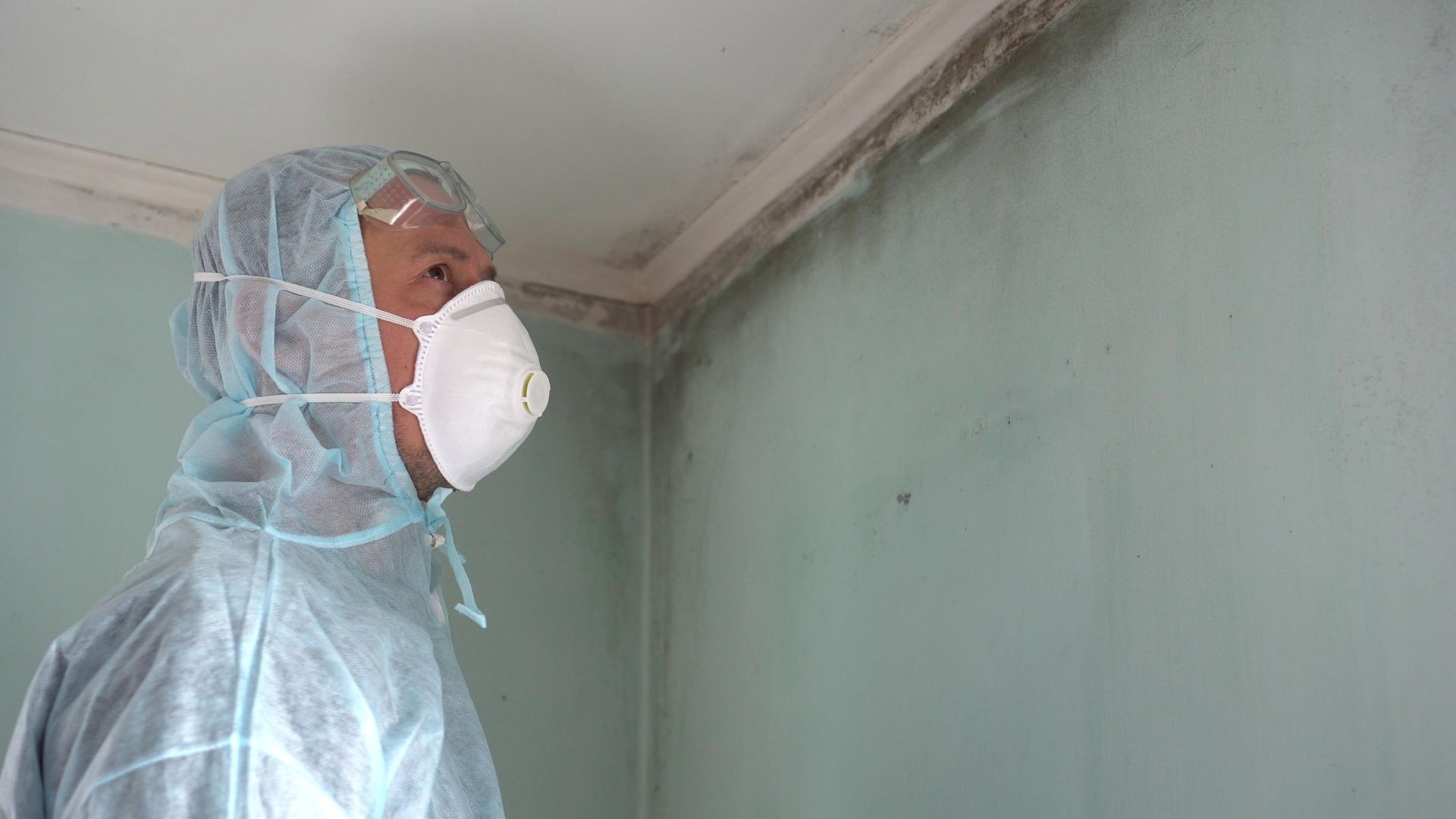
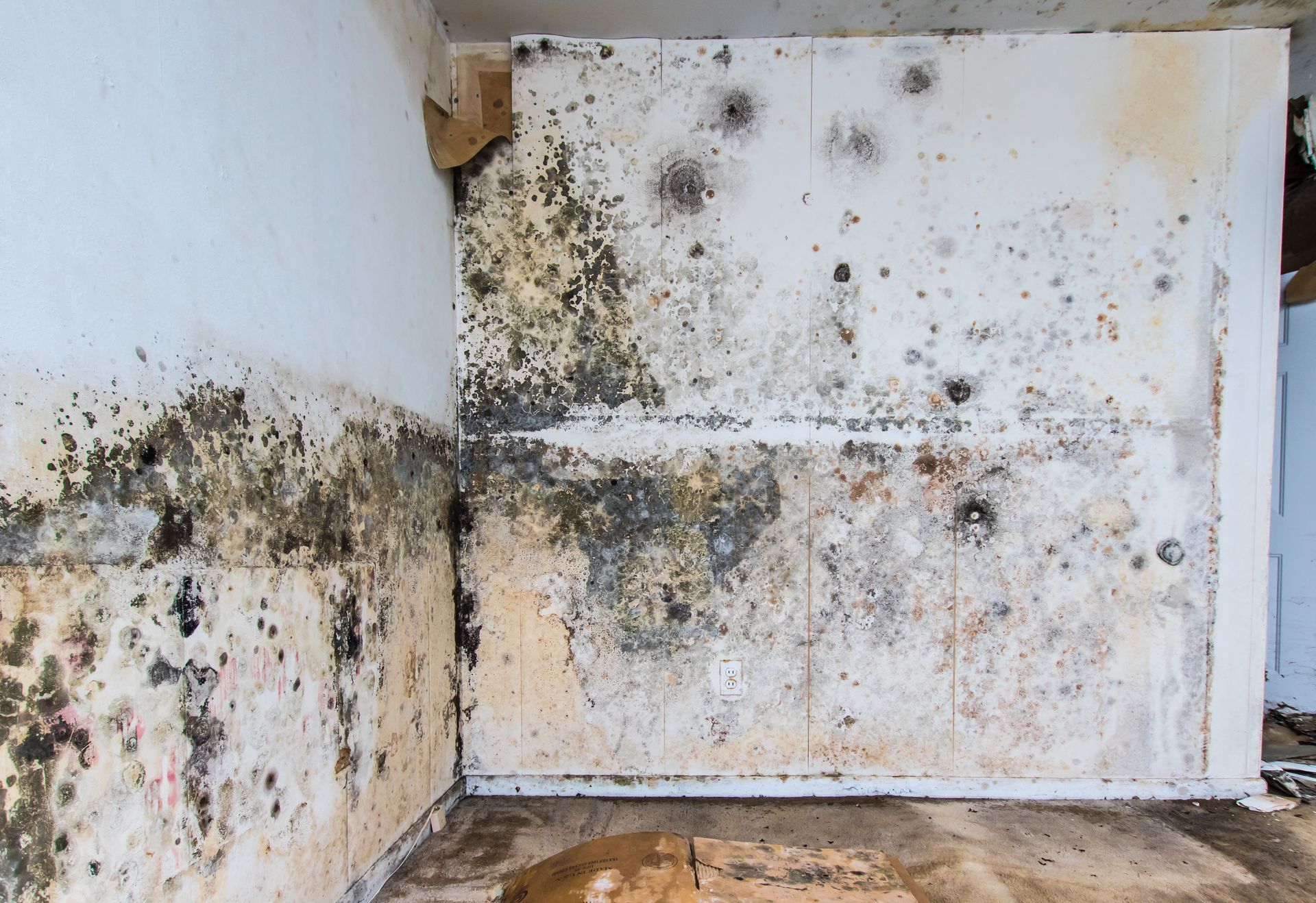
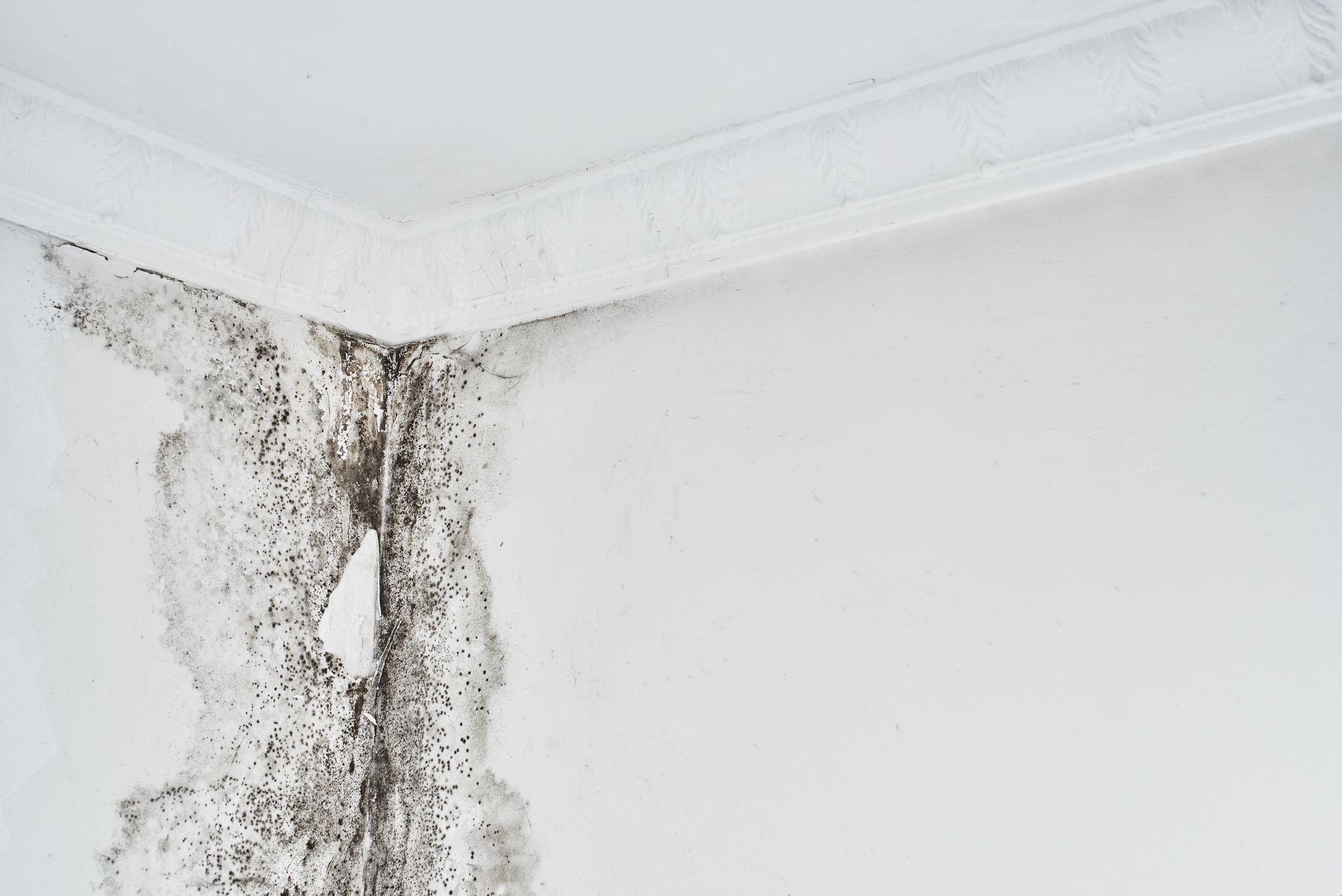
After the verbal exchange, the inspector will perform a preliminary walk-through to get a sense of the layout and the general condition of the structure. They look for obvious signs of distress, such as peeling paint, warped floorboards, or suspicious discoloration on ceilings and walls. This initial survey allows the expert to decide which specialized tools will be necessary for the deeper investigation. It also serves as a baseline for the more intensive testing that follows. This collaborative beginning ensures that the inspector and the property owner are on the same page regarding the goals and scope of the project.
Performing a Thorough Visual Investigation
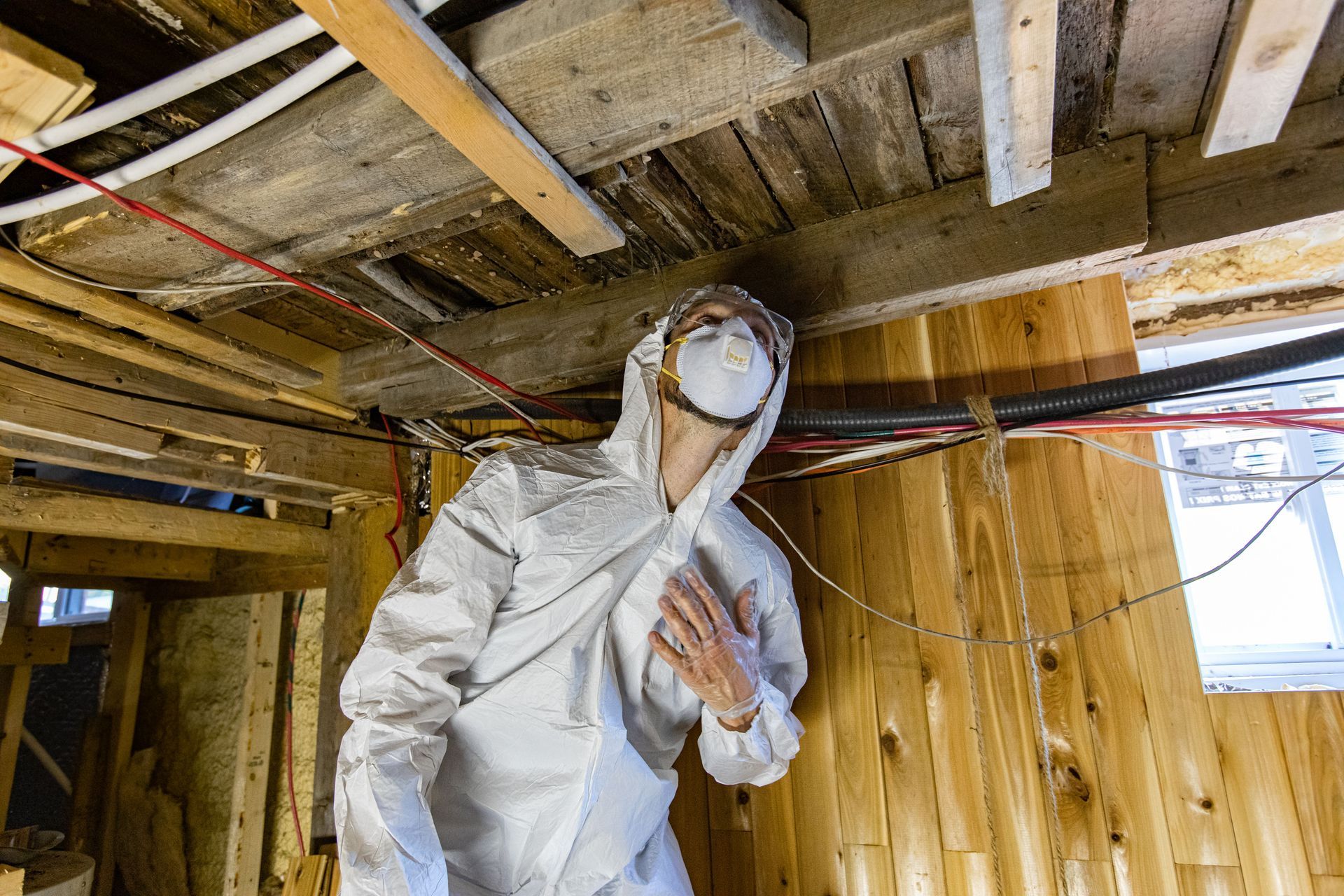
The most fundamental part of the visit involves a meticulous visual examination of every accessible area in the building. This includes not just the main living spaces but also the often neglected zones like attics, crawlspaces, and basements. The inspector uses high-powered flashlights to peer into dark corners and behind appliances where stagnant air and moisture often combine to create ideal growing conditions. This visual search is looking for more than just fuzzy growth; it is looking for the conditions that allow such growth to thrive. Identifying these environmental factors is a key component of a successful local mold inspection.
Special attention is paid to plumbing fixtures, window seals, and HVAC systems, as these are common points of failure for moisture control. The expert will examine the perimeter of the building to check for proper drainage and potential soil saturation issues. Inside, they may move light furniture or check inside closets to ensure no hidden colonies are expanding out of sight.
Using Advanced Moisture Detection Technology
To see beyond the surface of walls and ceilings, professionals rely on a variety of specialized moisture detection tools. Moisture meters are used to measure the water content of various building materials, such as drywall, wood, and concrete. These devices can detect dampness that is not yet visible, allowing the inspector to find leaks hidden deep within the building envelope. By identifying these wet spots, the technician can predict where growth is likely to occur even before it becomes a major problem. This proactive approach is one of the most significant benefits of hiring a professional for a local mold inspection.
Infrared thermography is another powerful tool used during this stage of the investigation. Thermal imaging cameras can detect temperature variations on surfaces, which often indicate the presence of moisture or missing insulation. Wet areas typically appear cooler than dry areas due to evaporative cooling, creating a distinct visual signature on the camera screen. This non-invasive technology allows the inspector to scan large areas without having to drill holes or remove sections of the wall. Using these high-tech instruments ensures that no hidden water source goes unnoticed, providing a level of detail that a DIY check simply cannot provide.
Collecting Air and Surface Samples
Once the areas of concern have been identified, the inspector will proceed to collect physical samples for laboratory analysis. Air sampling is a common practice used to determine the concentration of fungal spores in the indoor environment compared to the outdoor air. A specialized pump is used to draw a specific volume of air through a collection medium, which is then sealed and sent to a lab. This data is vital for understanding the overall air quality and whether spores are being actively distributed through the HVAC system. High spore counts can indicate an active growth site that may not be visible during the visual survey.
Surface sampling is also conducted when visible growth or suspicious staining is found. The inspector may use swabs or tape lifts to collect a concentrated sample of the material for microscopic examination. This helps identify the specific genus of the fungi present and whether it is actively growing or merely settled dust. Understanding the type of growth is important because different species have different health implications and require different remediation strategies. According to Rubyhome.com, mold contributes to 4.6 million U.S. asthma cases annually. Having precise data on the types of spores present helps property owners understand the potential health risks and the urgency of the situation.
Analyzing the Data and Laboratory Results
The samples collected during the local mold inspection are sent to an accredited laboratory where mycologists examine them under high magnification. These experts identify the fungal structures and count the number of spores present in each sample. This scientific analysis removes the guesswork from the assessment, providing objective data about the condition of the property. The laboratory report will typically include a breakdown of the species found and a comparison between indoor and outdoor air quality. This comparison is essential for determining if there is an indoor source of growth or if the findings are consistent with normal environmental levels.
The inspector then takes these laboratory findings and correlates them with the observations made during the physical visit. They look for patterns, such as a high concentration of a specific spore type near a detected moisture leak. This synthesis of data and observation is what makes a professional assessment so valuable.
A professional environmental assessment is an investment in the safety and longevity of your property. By following a structured process that combines interview techniques, visual surveys, and advanced scientific testing, inspectors can provide a level of clarity that is otherwise impossible to achieve. This detailed approach ensures that every potential issue is identified and documented, providing you with the evidence needed to make important decisions. Whether you are dealing with a known leak or simply want to ensure your air quality is healthy, the expertise of a professional is invaluable. Protecting your home and your health starts with understanding the environment you live in every day. If you are concerned about the air quality or moisture levels in your building, contact Environmental Assessments & Solutions, Inc to schedule your professional evaluation with a local mold inspection service.