March 19, 2026
Mold testing should be an essential service in maintaining healthy living and working environments. Traditional testing methods often face challenges like delays in results and inaccuracies, which can lead to significant health and financial repercussions. Fortunately, recent technological advancements are revolutionizing the mold testing industry, offering tools and techniques that enhance accuracy, speed, and reliability, thus effectively mitigating challenges.
The Importance of Accuracy
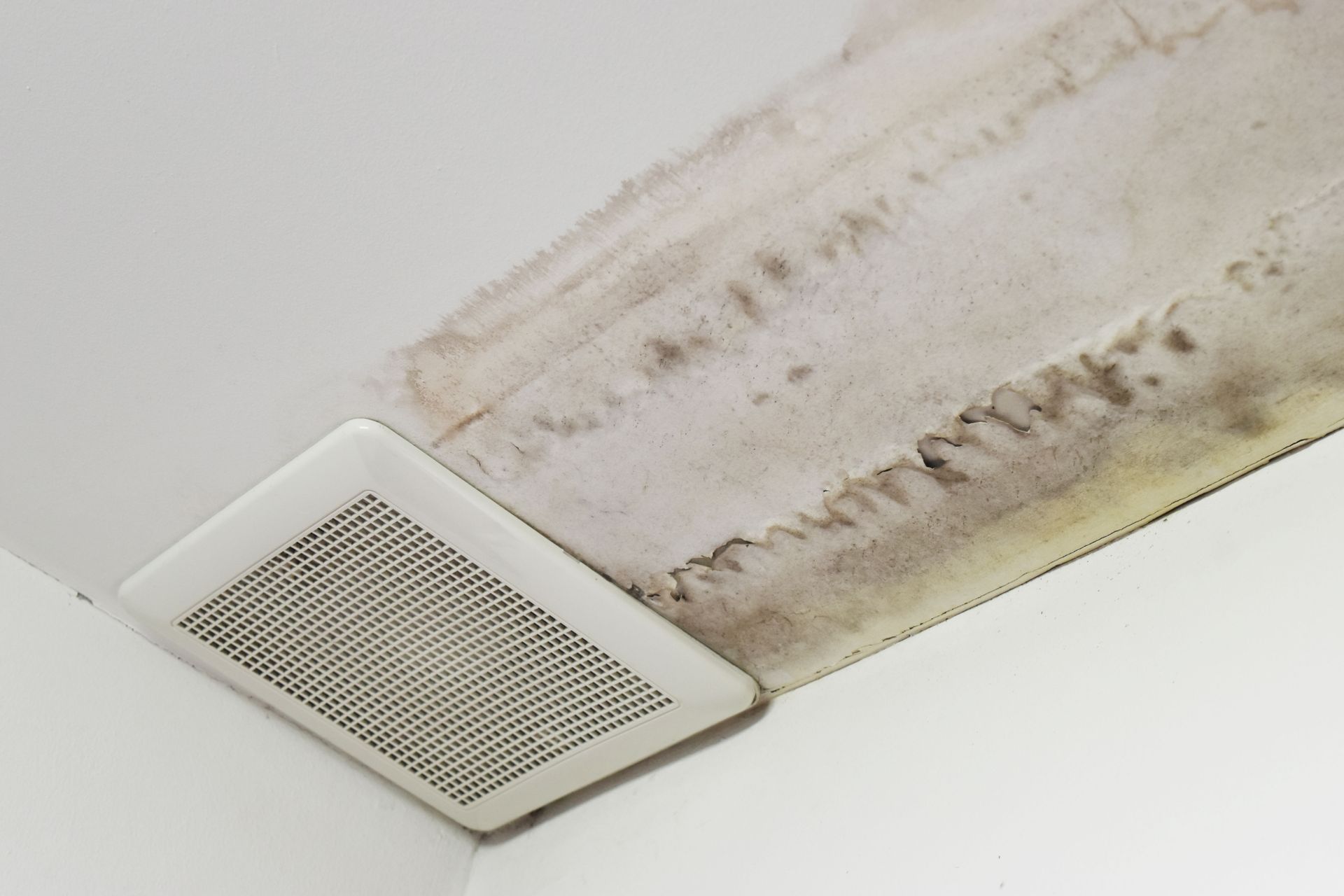
Mold exposure can lead to numerous health problems, ranging from allergic reactions to severe respiratory conditions. Individuals with underlying health issues or compromised immune systems are particularly vulnerable. Therefore, accurate testing is vital for early detection of mold and prevention of health risks. According to ZipDo Education Reports, 80% of structures with water damage develop mold within 48 hours when not dried properly. Addressing mold problems promptly and accurately helps mitigate these health risks significantly.
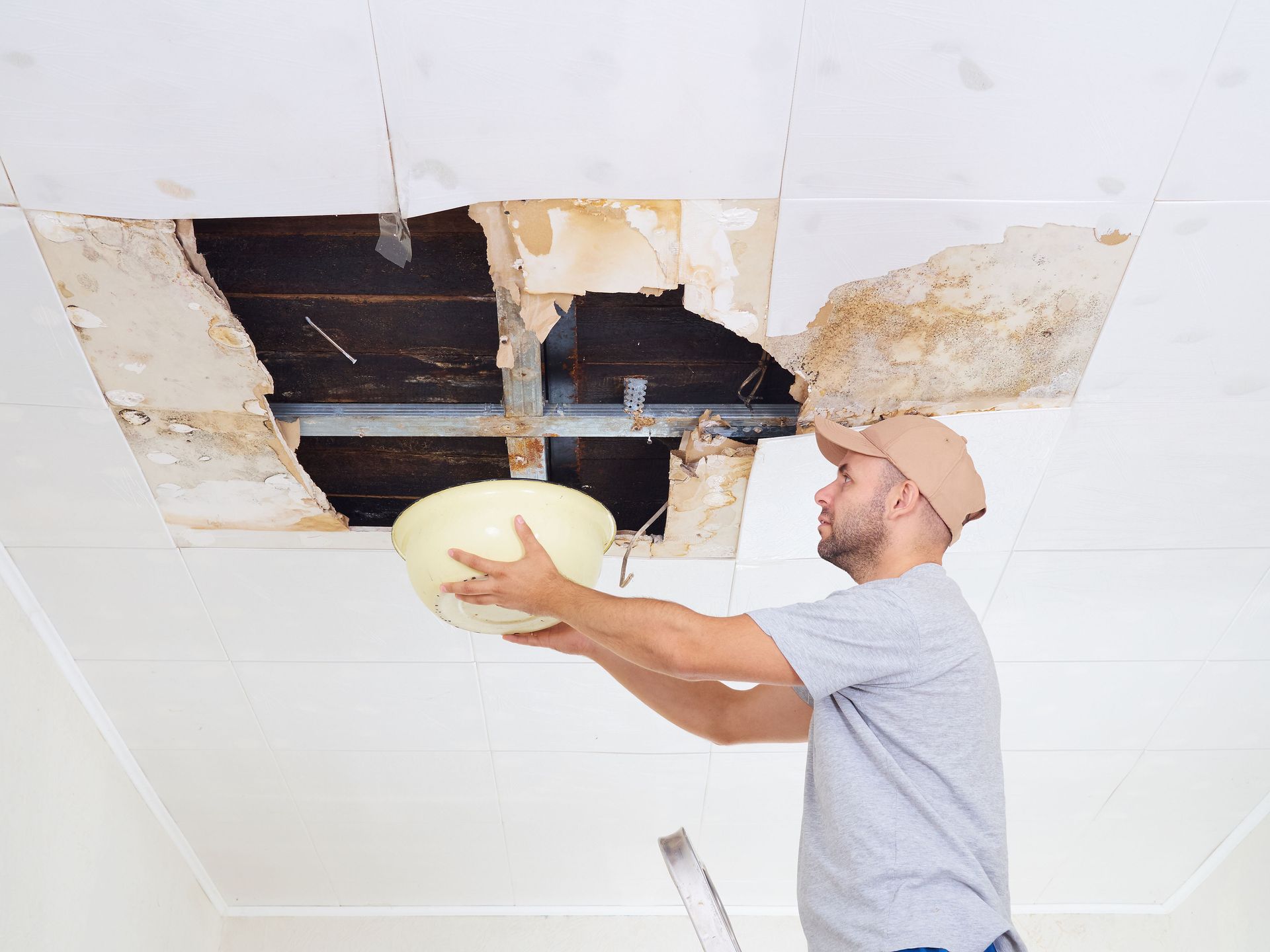
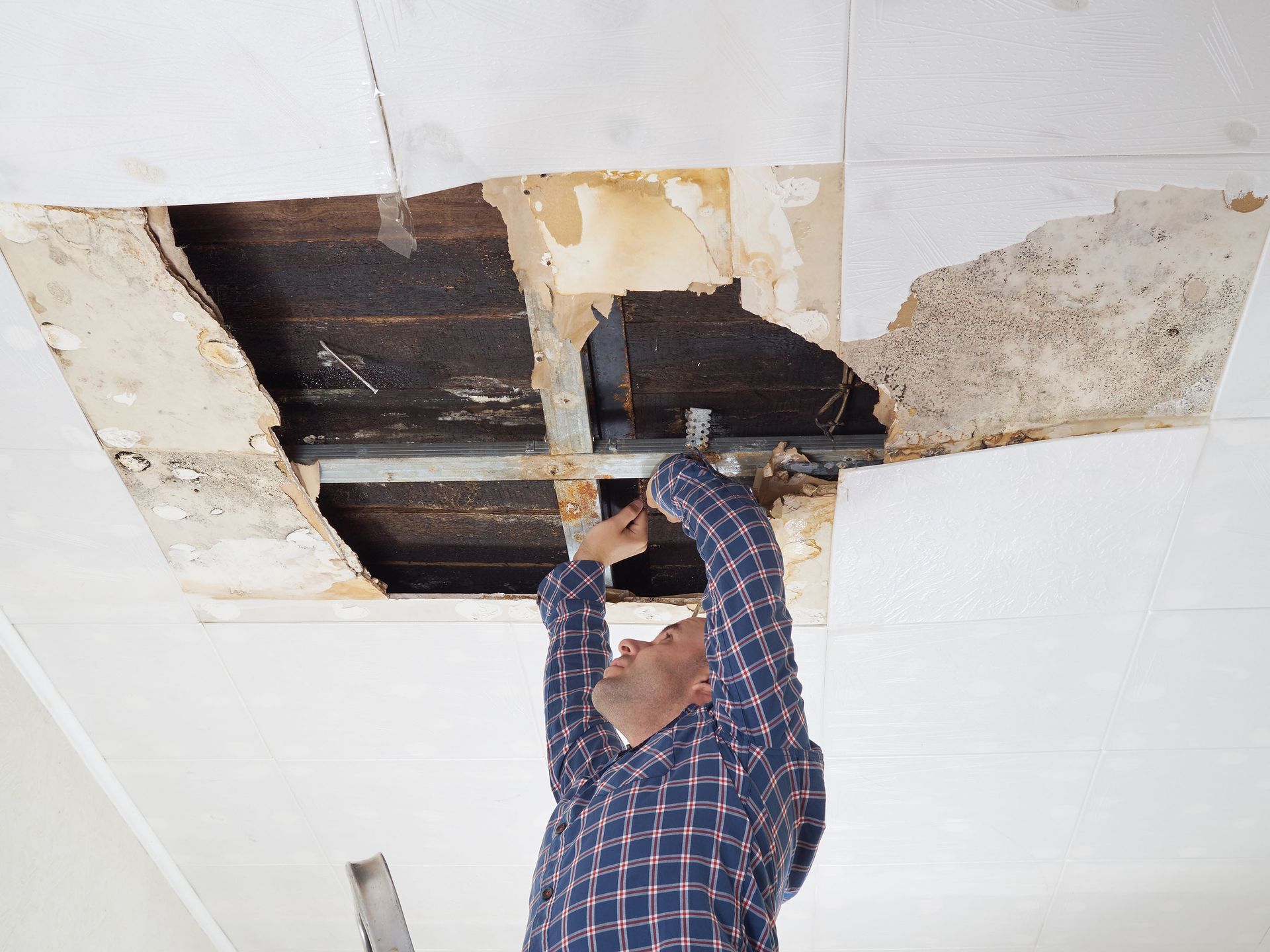
Mold not only poses a threat to human health but also endangers building structures and materials. It can weaken the structural integrity of homes and commercial buildings, leading to costly repairs and renovations. Accurate mold testing helps detect mold infestations early before they cause significant damage. This proactive approach is essential for maintaining the long-term value and safety of properties. Furthermore, timely intervention reduces the environmental impact associated with large-scale renovation projects.
Inaccurate mold testing can lead to severe legal and financial consequences. Property owners may face lawsuits from tenants or buyers if mold issues are overlooked or improperly managed. Additionally, unresolved mold problems can significantly devalue properties, leading to financial losses. Accurate testing allows property transactions to proceed smoothly without hidden pitfalls. By providing reliable data, property owners can make informed decisions and avoid potential legal disputes.
The Technological Innovations
Recent innovations in this testing focus on developing advanced sampling techniques that provide more representative and accurate data. Traditional methods often faced limitations, such as inadequate sampling locations or insufficient sample sizes. Modern techniques incorporate dynamic methodologies to capture comprehensive data on mold presence. Digital spore detection systems are at the forefront of testing technology, offering rapid and precise detection of mold spores. Unlike traditional methods that rely heavily on microscopic examination and manual counting, digital systems automate the process, reducing human error and speeding up results.
The integration of real-time data analysis into testing practices has dramatically transformed the industry's efficiency and effectiveness. By leveraging advanced computing technologies, real-time analysis enables instant processing of mold data, eliminating delays associated with lab-based testing. Professionals can now access immediate insights and visualize data trends, enabling them to make informed decisions quickly. Artificial intelligence (AI) is playing an increasingly significant role in mold testing by enhancing analysis and prediction accuracy. Through machine learning algorithms, AI systems can recognize patterns in mold growth and predict potential outbreaks based on historical and environmental data.
Remote sensing technologies are revolutionizing mold testing by enabling non-invasive and remote assessments of mold presence. These technologies leverage advanced imaging and spectroscopy to detect mold growth without the need for physical sampling. This capability is particularly advantageous in scenarios where traditional testing methods may be impractical or unsafe. Remote sensing tools also facilitate large-scale mold assessments, making it easier for professionals to identify and address mold issues across sprawling or inaccessible structures.
The Faster Approach
Automation is streamlining the mold testing process by automating various testing procedures and reducing human error. Automated systems efficiently handle tasks like sample collection and analysis, leading to quicker results and improved reliability. These technologies minimize the need for manual intervention, allowing personnel to focus on other critical aspects of mold management. Automation enhances consistency across different tests, enabling standardized and repeatable outcomes. Minimizing human involvement through automation drives significant advancements in testing speed and accuracy.
Rapid response kits are portable and user-friendly tools designed for immediate mold detection in diverse settings. These kits are engineered to quickly provide reliable results, enabling timely intervention and mitigation. Ideal for emergencies or on-site assessments, rapid response kits are readily accessible to both professionals and consumers. The convenience and efficiency offered by these kits make them an invaluable resource in identifying mold issues promptly. As technology continues to evolve, the capabilities and applications of rapid response kits are expected to further expand, offering even greater benefits.
Wireless communication devices are playing a crucial role in modern testing by facilitating seamless information exchange and rapid reporting. Equipped with advanced wireless technologies, these devices enable real-time transmission of mold testing data to centralized systems or mobile devices. With instantaneous communication, professionals can receive immediate feedback and relay critical information to stakeholders without delays. Wireless communication enhancements contribute to more efficient and transparent testing operations.
The Standardization of Procedures
Quality assurance protocols are fundamental in guaranteeing the reliability and consistency of testing results. These protocols encompass standardized procedures, rigorous testing of equipment, and regular audits of processes. By adhering to strict quality control measures, mold testing providers can achieve high levels of accuracy and dependability. Quality assurance practices also involve the implementation of regular training programs for technicians to remain up-to-date with the latest methodologies and technologies.
The standardization of mold testing procedures is crucial in facilitating reliable and comparable results across different regions and testing agencies. Efforts to develop universal standards are ongoing, driven by collaboration between industry stakeholders and regulatory bodies. Harmonizing practices and establishing common protocols will enable stakeholders to validate that all mold tests meet consistent quality benchmarks, regardless of location or provider. Standardization not only fosters industry trust but also paves the way for more comprehensive data collection and analysis.
The competence of technicians is vital for maintaining high-reliability standards in testing. Comprehensive training programs equip testers with the necessary skills and knowledge to perform accurate assessments using the latest technologies. Certification programs further validate technician expertise, offering assurances to clients that they are receiving professional and reliable service. Continuous education initiatives also play a critical role in keeping technicians updated on evolving industry trends and technological advancements.
The Future Trends
The future of mold testing is increasingly focused on sustainable practices that minimize environmental impact. Innovations in eco-friendly materials and energy-efficient technologies are paving the way for more sustainable testing solutions. By prioritizing sustainability, the industry aims to reduce waste, energy consumption, and harmful emissions associated with traditional testing methods. These environmentally-conscious approaches not only align with global sustainability agendas but also resonate with environmentally-aware consumers.
Smart home technologies are opening new possibilities for integrating mold testing and monitoring in everyday living environments. Devices with built-in mold detection capabilities can continuously monitor indoor air quality and provide real-time alerts for potential mold issues. This integration allows for seamless, automated mold management, reducing the need for manual testing and interventions. By combining smart home technology with testing solutions, homeowners can proactively respond to mold risks, enhancing overall indoor health and safety.
Emerging markets present immense opportunities for the growth and expansion of testing technologies and services. As urbanization, economic development, and construction activities rise in these regions, the demand for effective mold testing solutions grows accordingly. Rapid technological advancements are facilitating the entry of affordable and accessible testing options into these markets, driving growth and innovation. This evolution contributes to the development of local economies and promotes healthier living environments, particularly in areas historically without these services.
Technological advancements are transforming the landscape of mold testing, offering remarkable improvements in accuracy, speed, and reliability. As these innovations continue to evolve, the industry is moving toward a future where property owners can address environmental concerns with unprecedented precision. Embracing these modern tools and standardized protocols provides the best defense against the health and structural risks associated with undetected growth. Contact Environmental Assessments & Solutions, Inc today to request your consultation and utilize the latest technological innovations to protect the health and safety of your home and family.