June 22, 2026
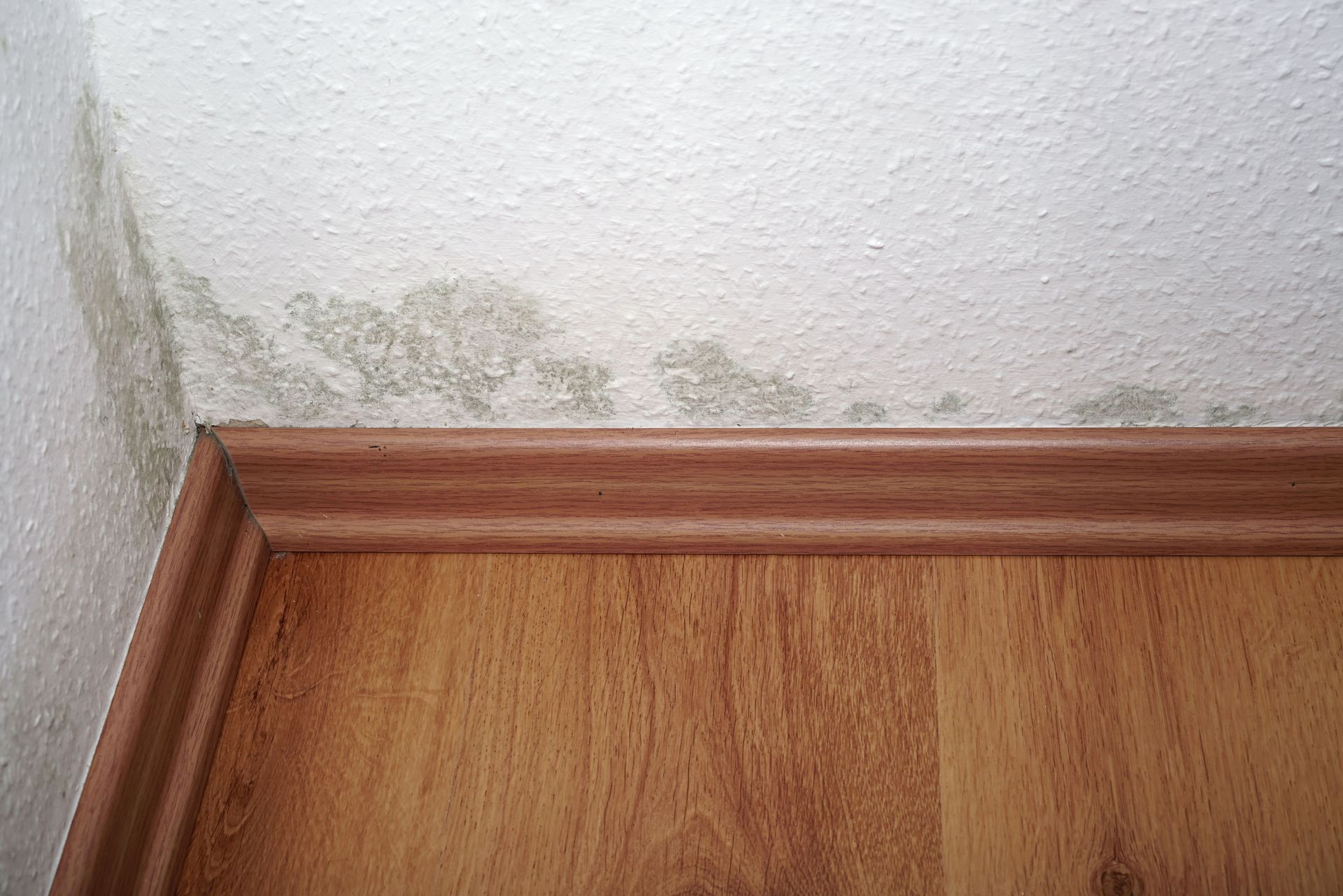
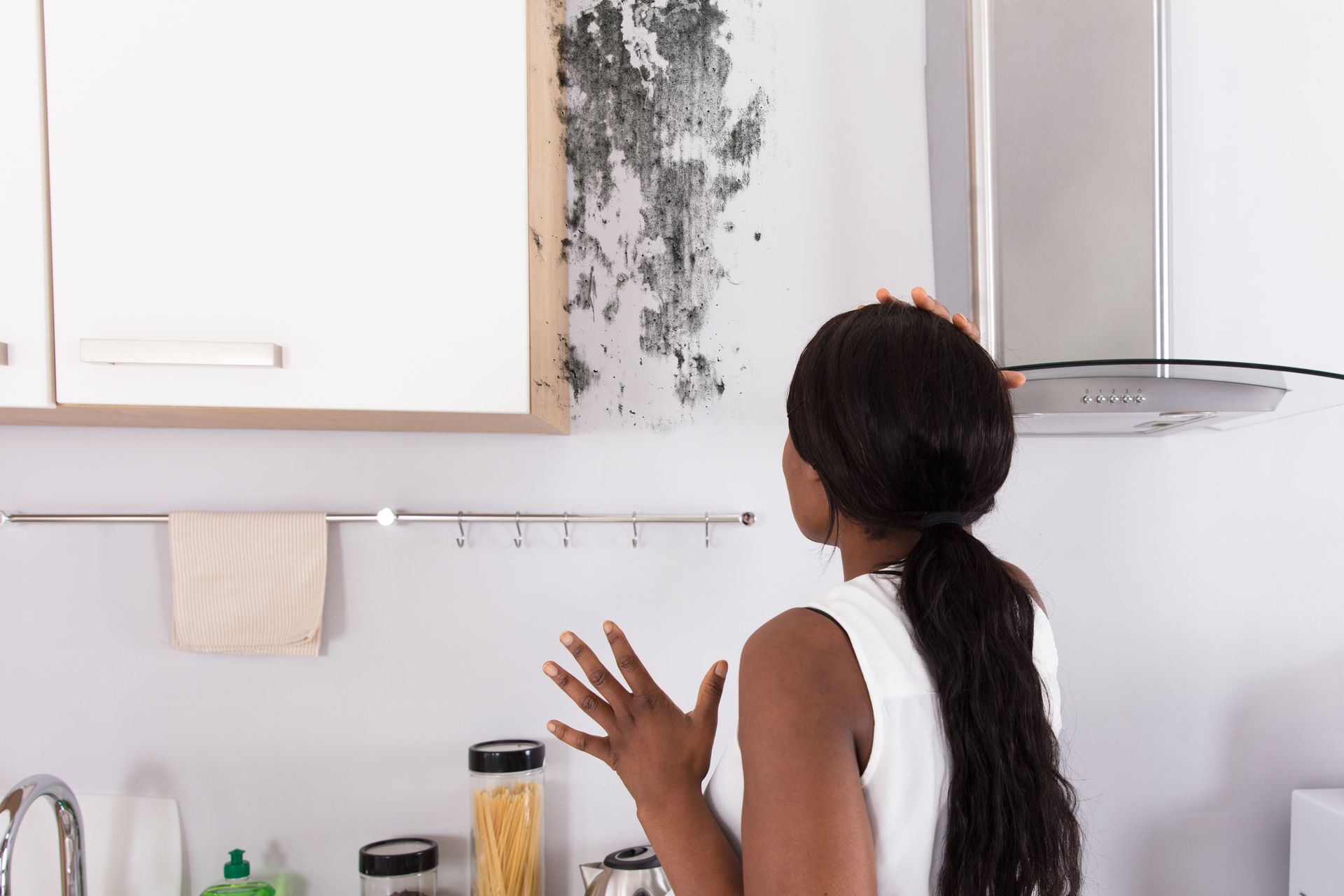
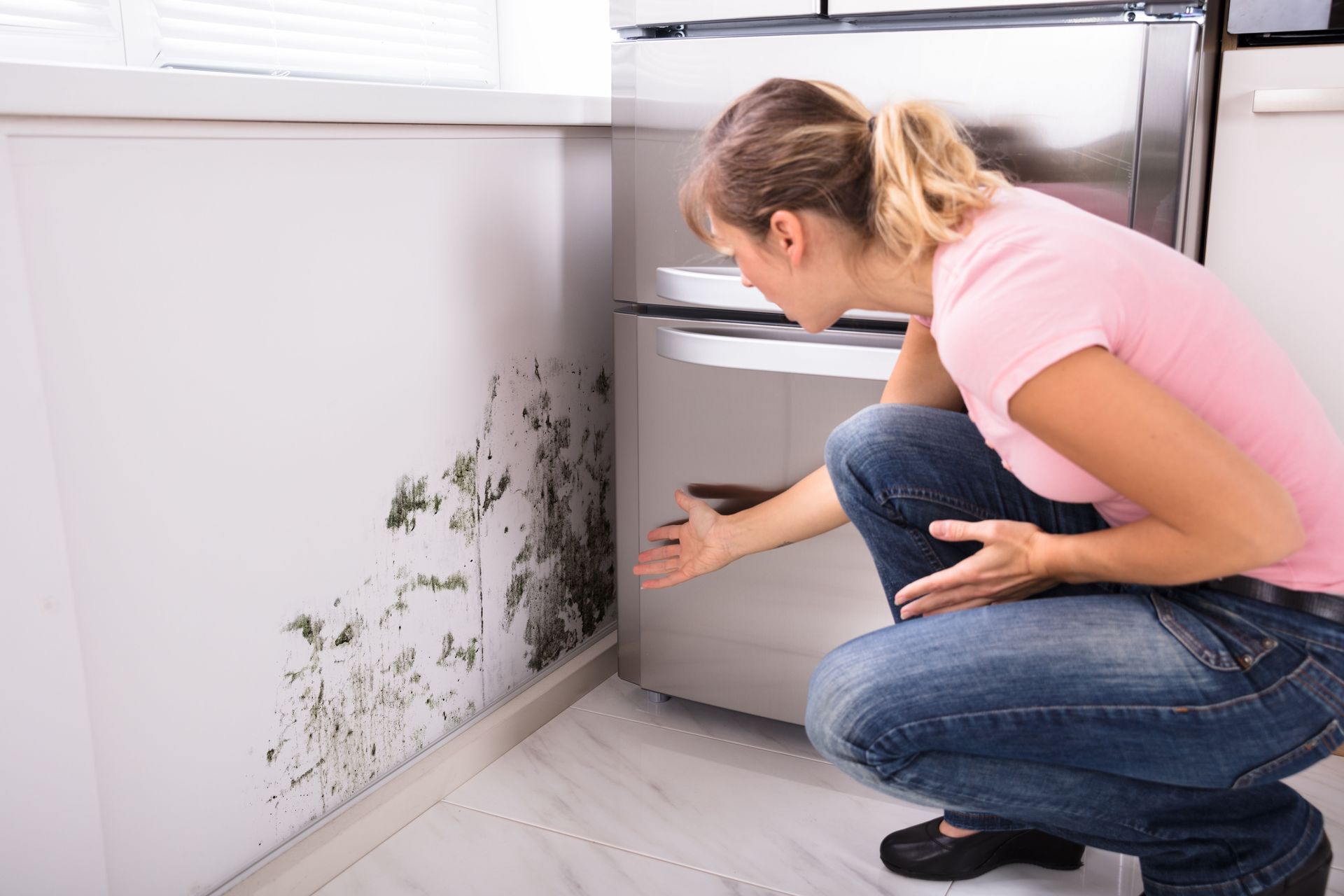
The integrity of a residential property depends heavily on a homeowner’s ability to maintain a clean, dry, and healthy indoor environment. While many property maintenance tasks focus on visible aesthetic updates or routine mechanical servicing, some of the most destructive threats to a house develop entirely out of sight. Among these hidden hazards, biological moisture growth stands out as a silent, aggressive invader capable of compromising building materials and draining financial resources. Because spores thrive in dark, humid, and unventilated spaces, fungal colonies frequently establish a strong foothold long before the occupants ever notice a physical sign of trouble.
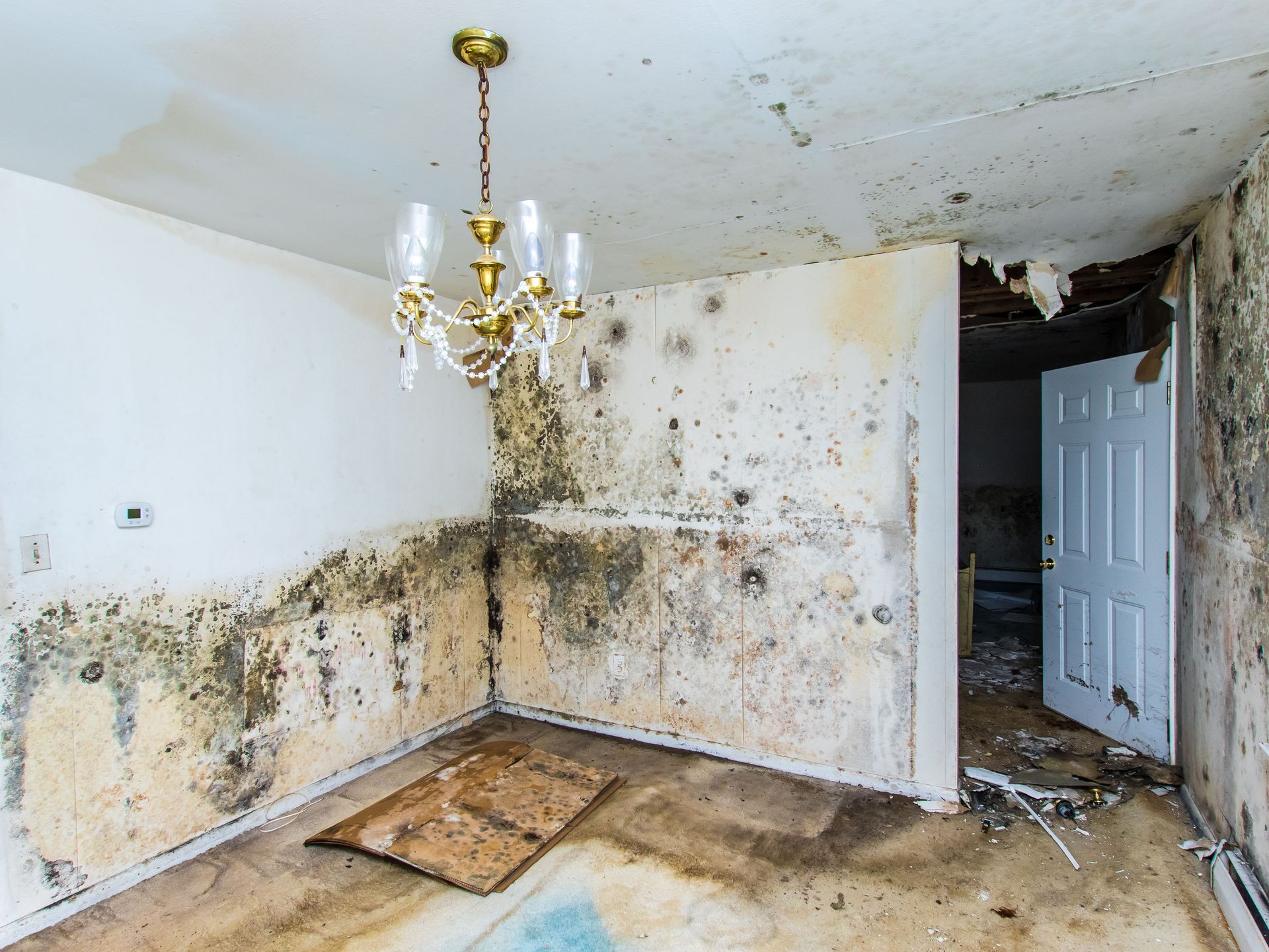
Waiting until a biological infestation becomes completely visible or introduces a pungent aroma into the living space is an approach that guarantees extensive property damage and skyrocketing remediation bills. Fungal organisms reproduce by releasing microscopic spores into the air, which rapidly settle on vulnerable structural surfaces like drywall, wooden framing, and carpeting. Once established, these colonies consume the organic material they inhabit, physically weakening the building block by block. Proactive intervention is the only definitive way to shield your property from this destructive process. Beyond protecting the physical structure, maintaining a clean environment is vital for preserving the financial worth of your investment. According to Ruby Home, home resale values can drop 20-37% due to mold issues. Investing in a professional local mold inspection at the earliest sign of moisture trouble is a highly strategic choice that safeguards your equity and isolates the issue before it spirals out of control.
Protecting Structural Integrity Assets
Fungal organisms feed on cellulose, a naturally occurring organic compound found abundantly in common building materials such as wood, drywall, ceiling tiles, and plywood. When moisture enters a wall cavity through a hidden pipe leak or roof vulnerability, dormant spores awaken and begin digesting these structural components. Over time, this consumption process causes wooden beams to rot, drywall to crumble, and structural supports to warp, creating a severely compromised building envelope.
Catching this growth in its infancy prevents the progressive decay of your home's skeletal frame. When a problem is identified early through a targeted evaluation, the necessary remediation is typically confined to a localized area, requiring only minor material replacements. If the infestation is left to spread unimpeded, the structural degradation can become so severe that it necessitates massive, invasive reconstruction projects to replace entire load-bearing walls and floor joists, turning a minor maintenance issue into a catastrophic structural emergency.
Avoiding Extensive Demolition Procedures
When a biological infestation becomes widespread, standard surface cleaning methods are entirely ineffective. Fungal roots grow deep into porous materials, meaning that simply wiping down a wall will not eradicate the core colony hidden beneath the surface. To properly remediate a severe outbreak, contractors are forced to execute large-scale demolition, tearing out vast sheets of drywall, pulling up hardwood flooring, and stripping away entire insulation systems to reach the source of the growth.
Scheduling a proactive local mold inspection allows specialists to utilize advanced diagnostic tools like thermal imaging cameras and moisture meters to pinpoint the exact perimeter of the moisture zone. This precision allows technicians to isolate the problem with surgical accuracy, minimizing the need for destructive demolition. By catching the moisture intrusion before the fungal roots can anchor deep into the surrounding infrastructure, homeowners can avoid the chaotic, dusty, and expensive process of tearing their living spaces apart.
Curtailing HVAC Contamination Spreads
A home’s heating, ventilation, and air conditioning system acts as the central respiratory framework for the entire property. If a biological colony establishes itself near a return air vent or inside the damp dark environment of an evaporator coil, the microscopic spores will be drawn directly into the ductwork. Once inside the ventilation system, the air current distributes these microscopic particles to every single room in the house every time the system cycles on.
Contaminating your ventilation infrastructure introduces an incredibly complex and expensive cleaning challenge. Remediating ductwork requires specialized negative-pressure equipment, chemical sanitization, and, in severe cases, the complete replacement of insulated duct lines. Prioritizing a timely local mold inspection helps ensure that any localized outbreaks are caught and contained long before they can breach the perimeter of your climate control system, keeping your air distribution pathways pristine and protecting your mechanical equipment from costly contamination.
Preserving Costly Interior Finishes
The structural frame of a house is not the only asset vulnerable to fungal destruction; the aesthetic finishes that make your home unique are equally at risk. Luxury wallpapers, custom carpeting, high-end draperies, and expensive solid-wood cabinetry can be permanently ruined by a spreading biological infestation. Fungal growth leaves behind dark, irreversible staining and can cause fabric fibers to disintegrate, rendering these costly interior features completely unsalvageable.
Once these premium materials are compromised, insurance policies frequently categorize the damage as preventable neglect if a leak was allowed to persist over a long period. Arranging for a routine local mold inspection ensures that hidden moisture pockets behind custom cabinetry or beneath luxury carpeting are identified before visual blemishes appear. This proactive approach allows you to address the root moisture issue while saving your high-end furniture and decorative investments from the trash heap.
Mitigating Professional Remediation Expenses
The financial cost of addressing a biological outbreak rises exponentially based on the total volume of space affected. Large-scale remediation projects require specialized environmental contractors to build extensive containment zones using heavy plastic sheeting, establish negative air pressure fields, and run commercial-grade air scrubbers continuously for days. The labor, equipment rental, and third-party clearance testing required for a massive cleanup can easily add up to thousands of dollars.
Opting for an early local mold inspection alters the financial dynamic entirely. When a specialist catches an infestation while it is still confined to a small, isolated pocket, the containment requirements are minimal, and the remediation process can be completed swiftly with basic tools and localized treatments. Minimizing the scale of the professional intervention keeps the overall service costs entirely manageable, proving that a modest investment in early detection pays massive financial dividends. Preserving these resources allows you to maintain your home maintenance budget without facing sudden financial strain.
Eliminating Long Secondary Restorations
The final phase of recovering from a severe environmental outbreak is the reconstruction process, which involves rebuilding everything that was torn out during the demolition phase. Hanging new drywall, painting entire rooms to match, reinstalling flooring, and replacing trim work requires hiring multiple secondary contractors and can drag on for weeks or even months, extending the disruption to your household routine.
Securing a precise local mold inspection at the first sign of unusual humidity or water staining helps prevent the need for this secondary restoration cycle entirely. By stopping the moisture spread before it can ruin large swathes of finish materials, the repairs are often limited to fixing the underlying plumbing or roofing issue and performing a simple structural dry-out. This efficiency saves you from the lingering headaches of a long home renovation, allowing you to return to a state of normal, peaceful domestic life almost immediately.
If you have recently experienced a plumbing leak, noticed a musty odor in your basement, or simply want to verify the environmental safety of your home, the collective team at Environmental Assessments & Solutions, Inc. is here to help. We invite you to contact us today to organize a thorough property evaluation and schedule a professional local mold inspection, allowing our certified specialists to deliver the clarity, precision, and protection your household needs for total peace of mind.