November 20, 2026
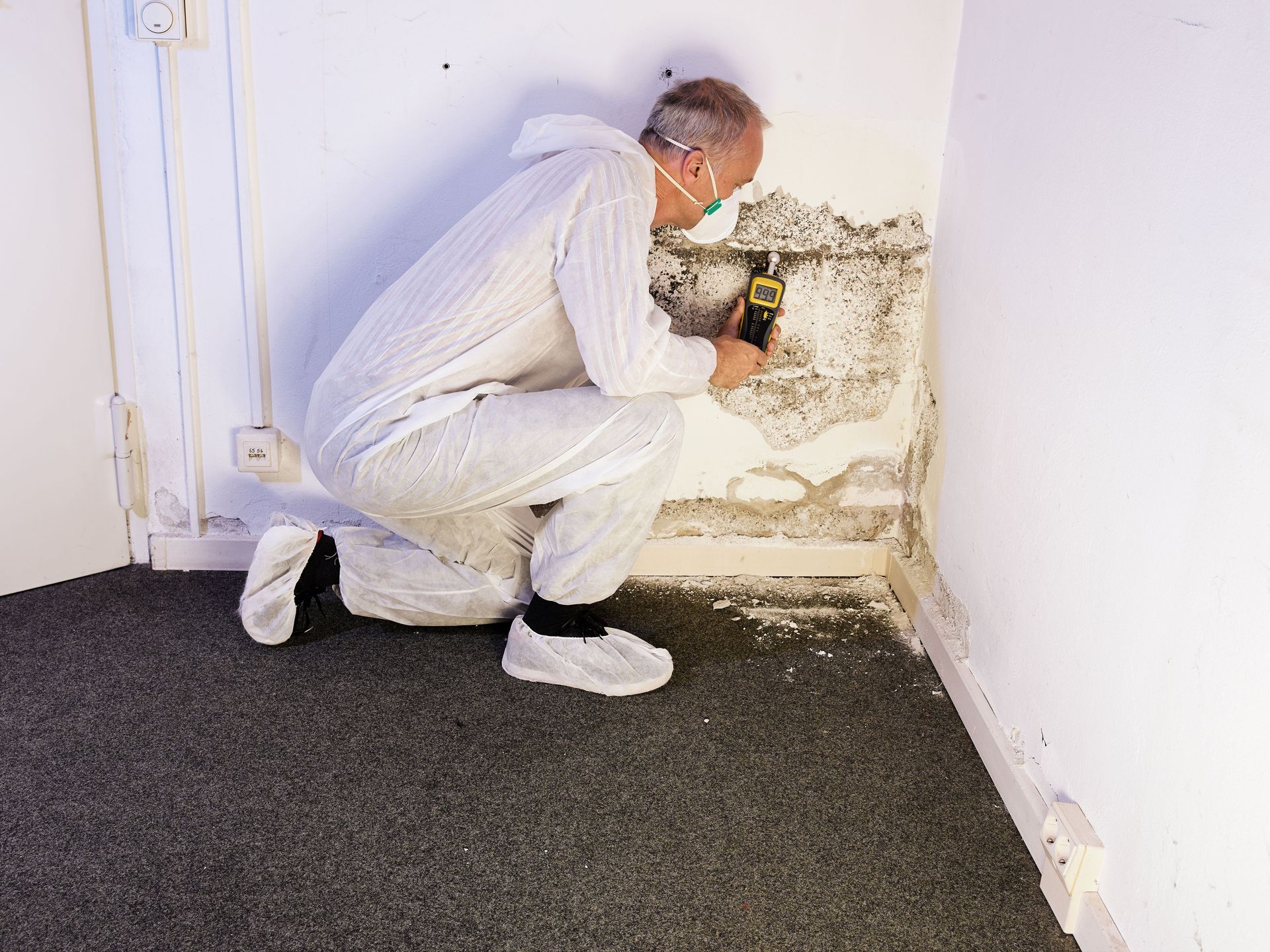
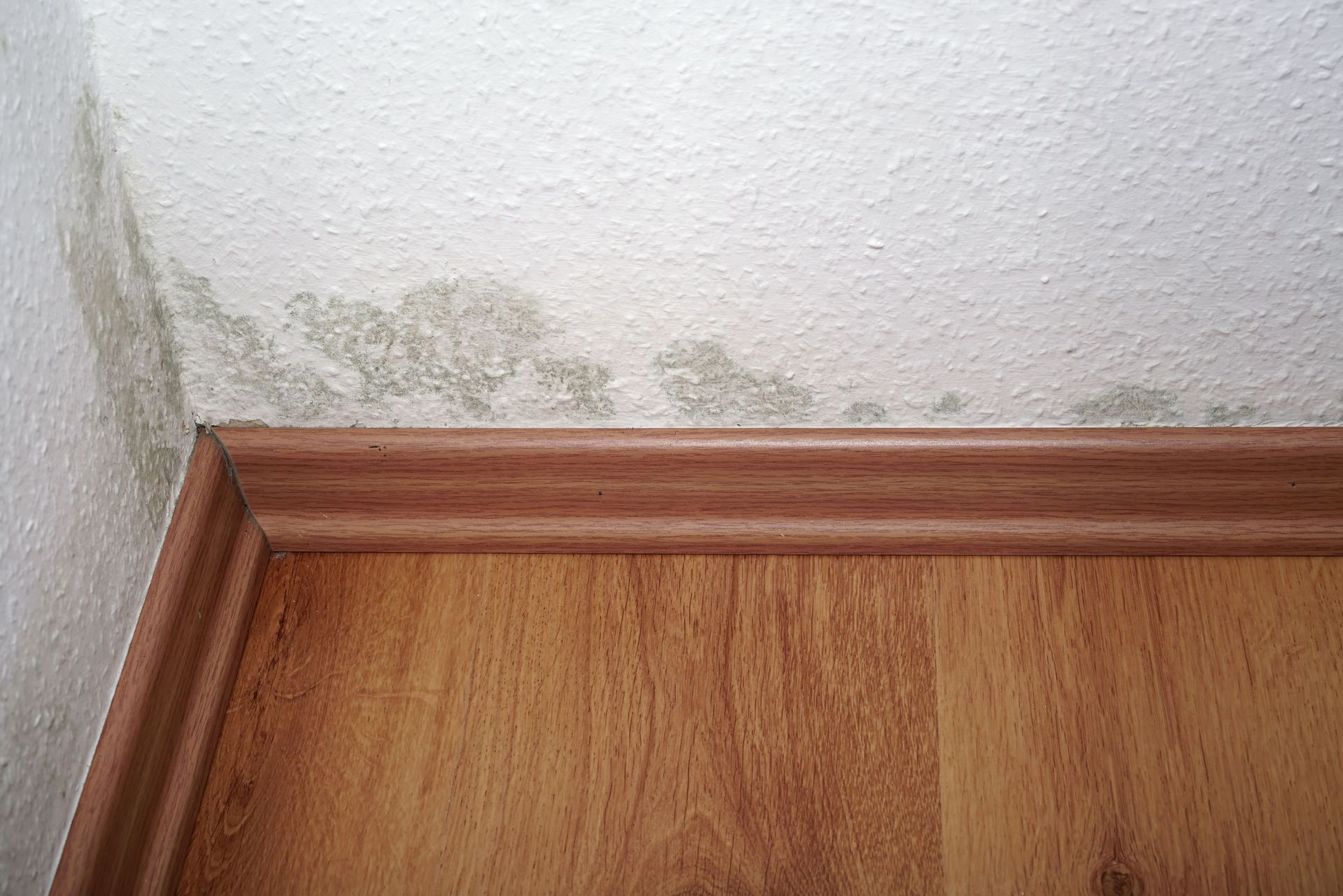
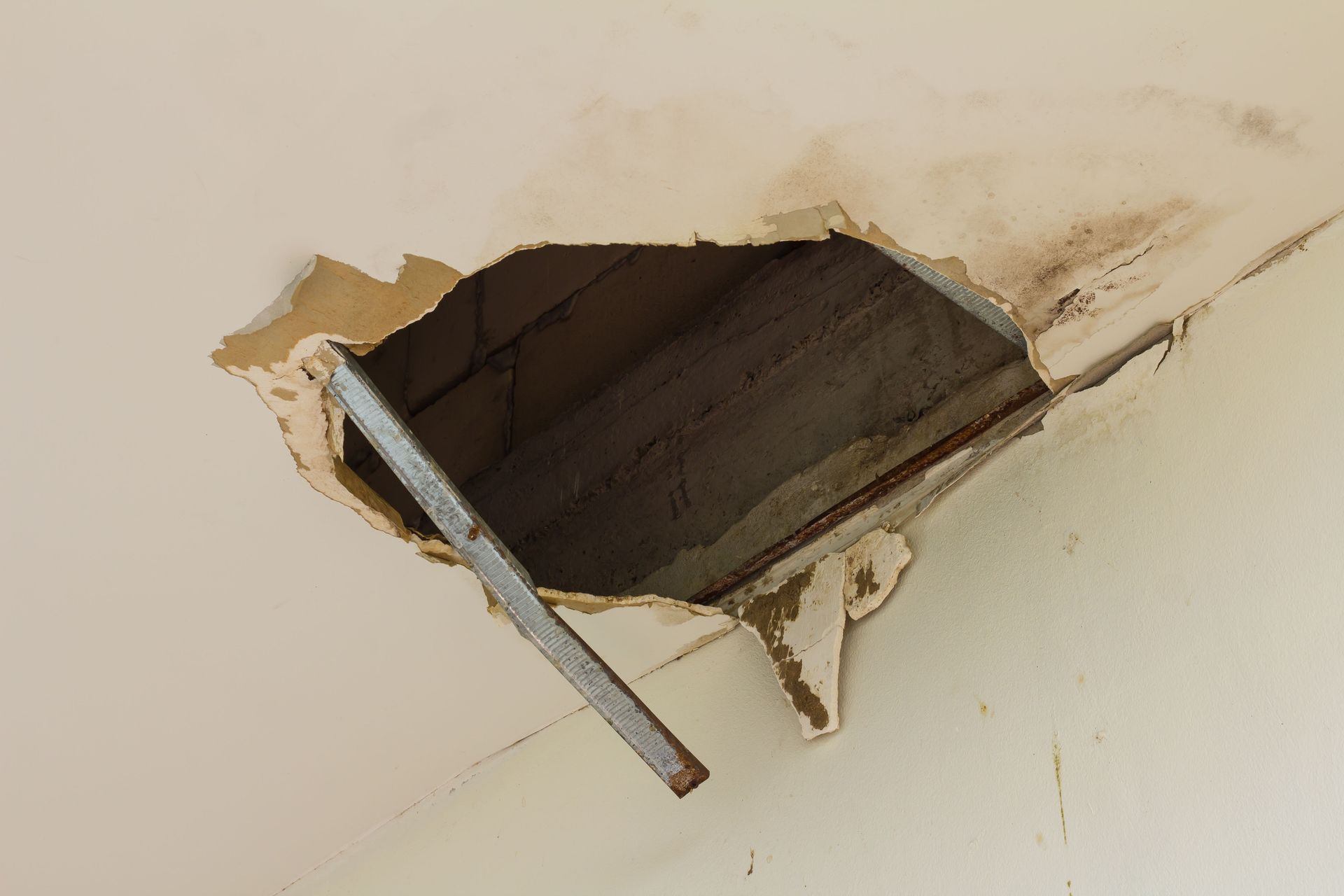
Mold inspection is a vital service for maintaining a healthy home environment. Choosing a local mold inspection service can offer a host of unique benefits. Mold is a common issue in many households that can lead to various health risks if not properly managed. Prompt action is necessary, especially since data from ZipDo Education Reports indicate that 80% of damaged buildings develop mold within 48 hours if not dried properly. By choosing local services, homeowners can ensure efficient, targeted inspection and remediation customized to their community's specific needs.
Local mold inspectors bring valuable expertise in local climates and building norms. They are intimately familiar with the unique challenges faced by homes in the area, from weather conditions to architectural styles. This regional knowledge positions them to detect and manage mold problems more efficiently than non-local services. The effectiveness of their inspections and the speed of their response, enhanced by proximity and local regulations, can significantly mitigate mold-related expenses and health concerns.
Another substantial advantage of choosing local mold inspection services is the economic impact. Supporting local businesses not only strengthens the community's economic health but also aligns with more personalized service delivery and quick responsiveness. The overall customer experience is enhanced through the establishment of deeper personal connections and a commitment to the region. Through these local ties, homeowners can have confidence that their problem is understood at a granular level and that solutions offered are effectively tailored to the locality.
Expert Knowledge of Local Climate and Architecture
Understanding Local Climates
Local mold inspectors have in-depth knowledge of the area's specific climate conditions. This understanding is crucial as climate plays a significant role in mold growth. Inspectors are aware of seasonal variations and how they affect humidity and moisture levels within homes. For instance, areas with high humidity or frequent precipitation might experience more severe mold issues. The ability to anticipate these conditions allows inspectors to implement preventive measures during their assessments.
This climate knowledge extends to potential forecasts and their implications for mold development. Inspectors can provide insights on future weather patterns and how they might exacerbate mold-related problems. This foresight is an invaluable part of their service offering, supporting homeowners in making informed decisions about mold prevention. By addressing potential climate-driven mold risks before they manifest, local inspectors help reduce the incidence of significant infestations. Such strategic intervention underscores their role as essential partners in home maintenance.
Comprehending climate influences is critical for both detection and remediation. The right strategies for dealing with mold depend significantly on understanding how climate impacts a structure internally. Local inspections precisely account for how local weather conditions contribute to specific types of mold growth. This detailed attention to climatic detail results in more effective intervention strategies that are adaptable to the ongoing climatic shifts anticipated in the region. As such, local inspectors stand out for their unique ability to tailor mold inspections in accordance with prevailing and expected environmental conditions.
Knowledge of Local Building Codes
Expertise in local building codes is another strength of local inspectors. Compliance with these codes ensures that inspections are thorough and effective. Local inspectors understand the nuances of codes and regulations, which can vary significantly between regions. This understanding ensures that each inspection is comprehensive, focusing on areas most at risk of code violations. Additionally, inspectors can recommend modifications to ensure homes meet safety and building requirements.
The adherence to building codes not only ensures legal compliance but also enhances the safety and value of the property. Local inspectors can identify compliance issues that might otherwise pose serious hazards to residents. By aligning inspections with building standards, homeowners receive the assurance that any potential structural vulnerabilities contributing to mold growth are addressed. This reduces liability risks and protects property investments by maintaining adherence to current codes. Consequently, the connectivity to local regulations is a critical component of local inspectors' service offerings.
Local inspectors also remain updated with evolving building codes, which may be influenced by emerging environmental policies or technological advancements. As codes evolve to improve energy efficiency or manage environmental impacts better, inspectors are at the frontline of integrating these standards into their assessments. Their capacity to navigate these complex regulatory landscapes seamlessly makes them preferable for managing mold inspections, while maintaining alignment with legal and safety obligations. The sophisticated knowledge of building codes differentiates local inspectors as both educators and service providers within the inspection process.
Familiarity with Common Mold Types
Local mold inspectors have an advantage when it comes to recognizing and managing the prevalent mold species in a given area. Each region might be susceptible to different types of mold, demanding distinct remediation tactics. Local inspectors achieve quicker identification of mold types, leveraging their experience and often previous case studies. Recognizing mold characteristics swiftly is crucial for determining appropriate cleanup strategies and reducing health risks. The insights gained through local exposure provide them with a rich knowledge base that expedites clinical diagnoses.
This extensive familiarity enables inspectors to anticipate the likely progression of mold infestations based on type. They can determine which molds are benign and which need urgent attention, helping prioritize actions effectively. The ability to identify and differentiate between common molds on sight allows inspectors to preempt typical mold pathways. Their familiarity ensures proactive management that intervenes before growth cycles escalate, avoiding extensive remediation costs. Homeowners gain confidence knowing their service provider is intimately aware of the potential threats within their living environment.
The proficiency of local inspectors with area-specific mold types also involves understanding associated health effects. Homeowners can receive accurate advice on health precautions relative to the mold species found. This level of detail supports informed decision-making and enhances trust in the service provided. With local inspectors, residents benefit from a nuanced service offering that accounts for a wide array of molds. Their capability in handling various mold situations improves the prospect for health and safety within the home.
Rapport with Local Contractors
According to our reports, local mold inspectors often maintain strong relationships with local contractors, which can streamline remediation efforts. These connections facilitate a seamless transition from inspection to removal, saving homeowners time and reducing disruptions. A well-established network with local contractors ensures that any necessary repairs or renovations are handled by professionals familiar with regional standards and expectations. Homeowners benefit from recommendations and referrals that are trustworthy and vetted through past collaborations. This rapport underpins a cooperative dynamic that enhances service reliability.
Such relationships also foster better communication and understanding throughout the remediation process. Local inspectors can act as intermediaries, ensuring that their findings are effectively translated into actionable plans by contractors. This reduces the risk of miscommunications or missed details during the transfer of recommendations. As a result, the remediation process becomes more efficient, targeting specific problems identified during inspections. This communication flow helps in devising comprehensive repair strategies, smoothing the path to resolution.
Local mold inspectors possess unique insight into trends of mold infestations occurring within the community. These trends may be influenced by spatial patterns commonly witnessed which contribute to the development of particular types of molds. By being attuned to local trends, inspectors can offer valuable services that extend beyond a single inspection, fostering a community conscious approach. Their findings assist homeowners in predicting and understanding why particular infestations may arise in specific localities. This strategic vantage point supports improved preventative measures and inspection commitments. Be sure to reach out to Environmental Assessments & Solutions, Inc today to learn more about our professional local mold inspection!