November 24, 2026
Understanding mold testing, its importance, and how professional companies operate is crucial for homeowners and businesses alike. Mold is a pervasive issue that can affect both the health of individuals and the structural integrity of buildings. This article will explore the essential aspects of mold testing companies, what services they offer, and how to choose the right one for your needs. By gaining insight into the mold testing process, consumers can ensure a safer and healthier indoor environment. Read on to discover the intricacies of mold testing and how to make informed decisions when addressing mold concerns.
Understanding Mold and Its Implications
What is Mold?
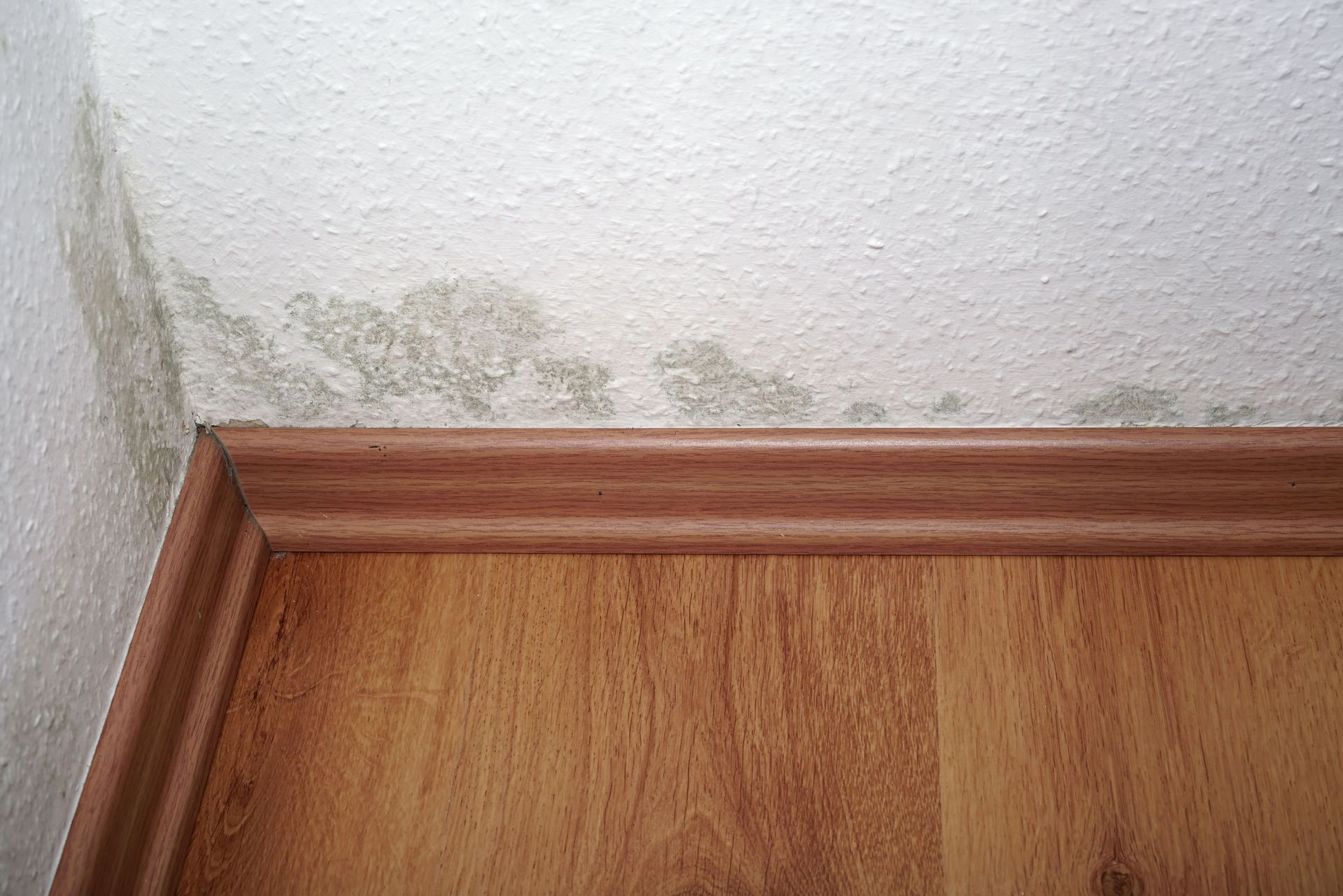
Mold is a type of fungus that thrives in moist and warm environments. It reproduces through tiny spores that travel through the air and can proliferate rapidly under the right conditions. Indoors, mold commonly grows on surfaces such as walls, ceilings, and flooring, particularly in areas like bathrooms and basements where humidity is high. While mold plays a vital role in nature by breaking down organic matter, its presence in homes and offices can be problematic. Understanding what mold is and how it behaves is the first step in effectively managing and preventing its growth.
Common Types of Mold Found Indoors
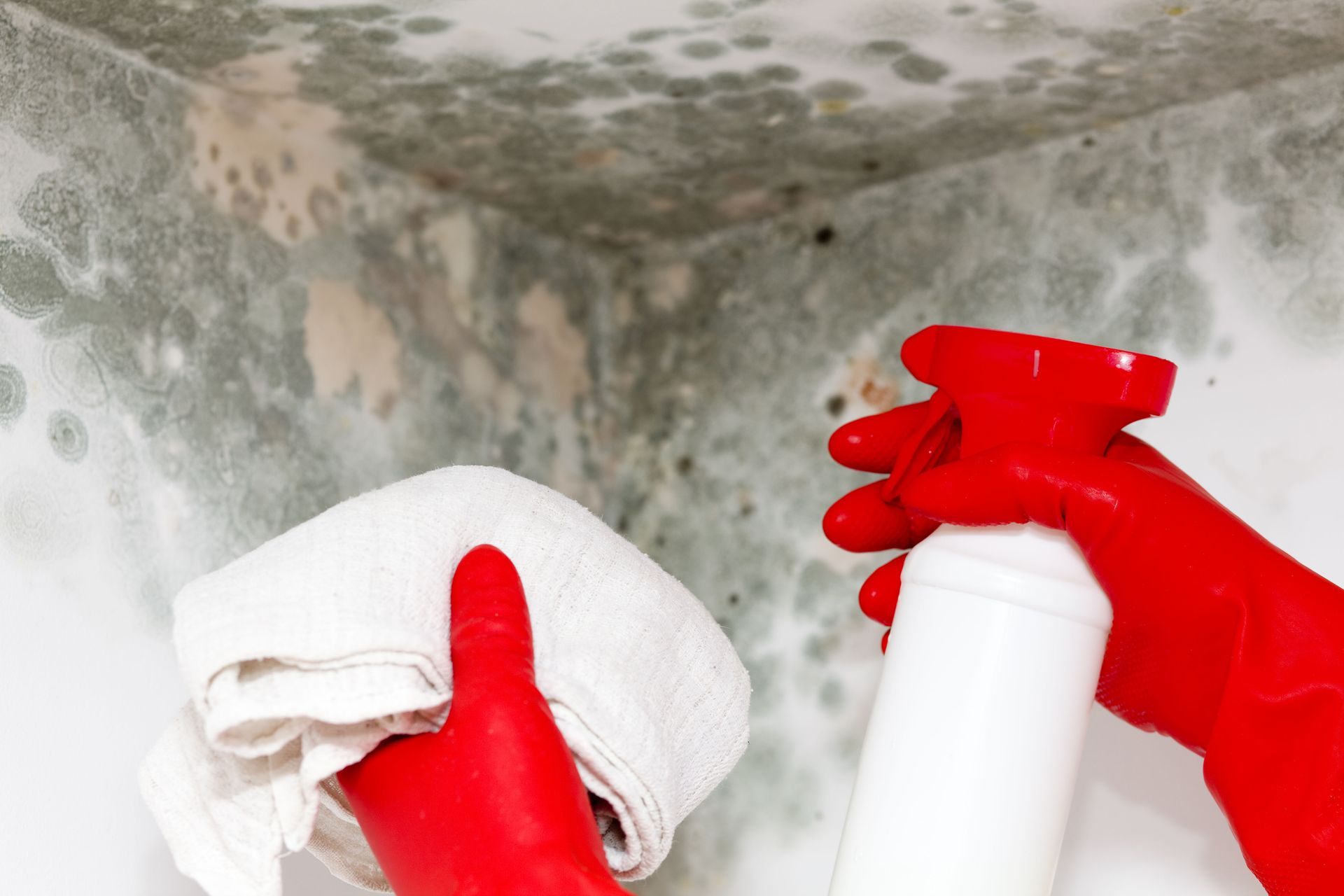
Several types of mold are frequently found indoors, each with distinct characteristics. Stachybotrys, often referred to as black mold, is notorious for its potential to cause severe health issues. Aspergillus and Cladosporium are other common molds that can thrive on a wide range of surfaces. Each type varies in color, texture, and growth requirements, making identification by professionals essential for effective remediation. Knowing the specific type of mold is crucial as it determines the appropriate removal and prevention strategies.
Health Risks Associated with Mold Exposure
Mold exposure is linked to several health concerns, particularly for sensitive individuals. It can trigger allergies, respiratory problems, and other health issues, especially in children and the elderly. According to the National Center for Healthy Housing (NCHH), 6-10% of the general population and up to 50% of genetically prone individuals are allergic to mold. Prolonged exposure to mold can exacerbate asthma conditions and, in severe cases, lead to infections in the immunocompromised. Understanding these risks highlights the importance of timely and thorough mold testing and remediation.
Mold Growth and Indoor Air Quality
The presence of mold significantly impacts indoor air quality. As mold spores disperse through the air, they can infiltrate HVAC systems, spreading contaminated air throughout the building. Poor air quality resulting from mold can lead to sick building syndrome, affecting the health and productivity of building occupants. Regular testing and monitoring of air quality are vital for identifying mold presence and ensuring that indoor environments are safe. Addressing mold growth is therefore crucial in maintaining optimal indoor air quality and preventing health issues.
The Economic Impact of Mold Infestations
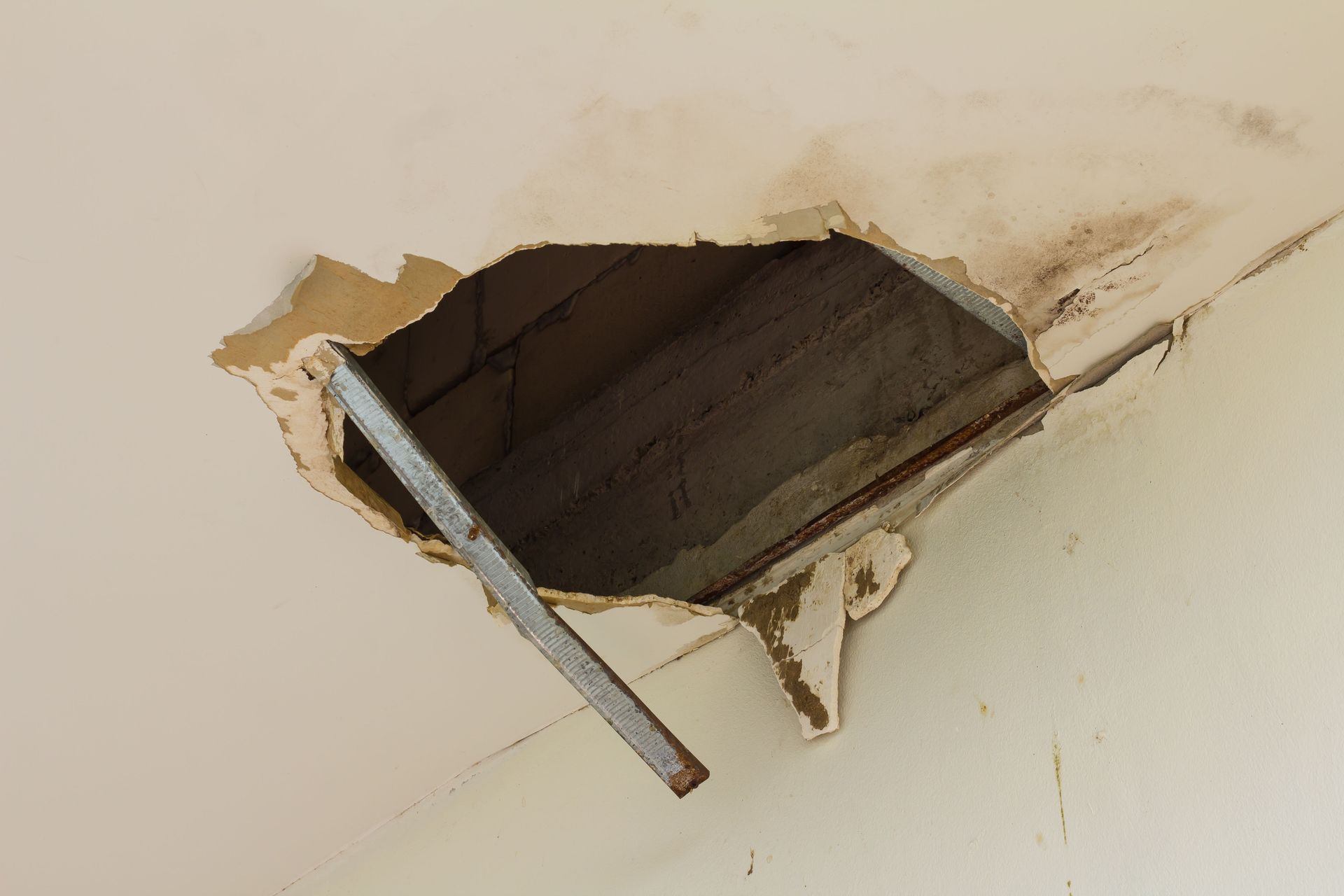
Mold infestations can lead to substantial economic consequences, not only in healthcare costs but also in property damage. The remediation process can be costly, often requiring professional services to ensure comprehensive mold removal. Additionally, mold can devalue properties, complicating sales and insurance claims. A proactive approach in identifying and mitigating mold issues can prevent these financial burdens. Investing in regular mold testing and maintenance can save significant costs in the long term by preserving property value and reducing health-related expenses.
The Role of Mold Testing Companies
Scope of Services Provided
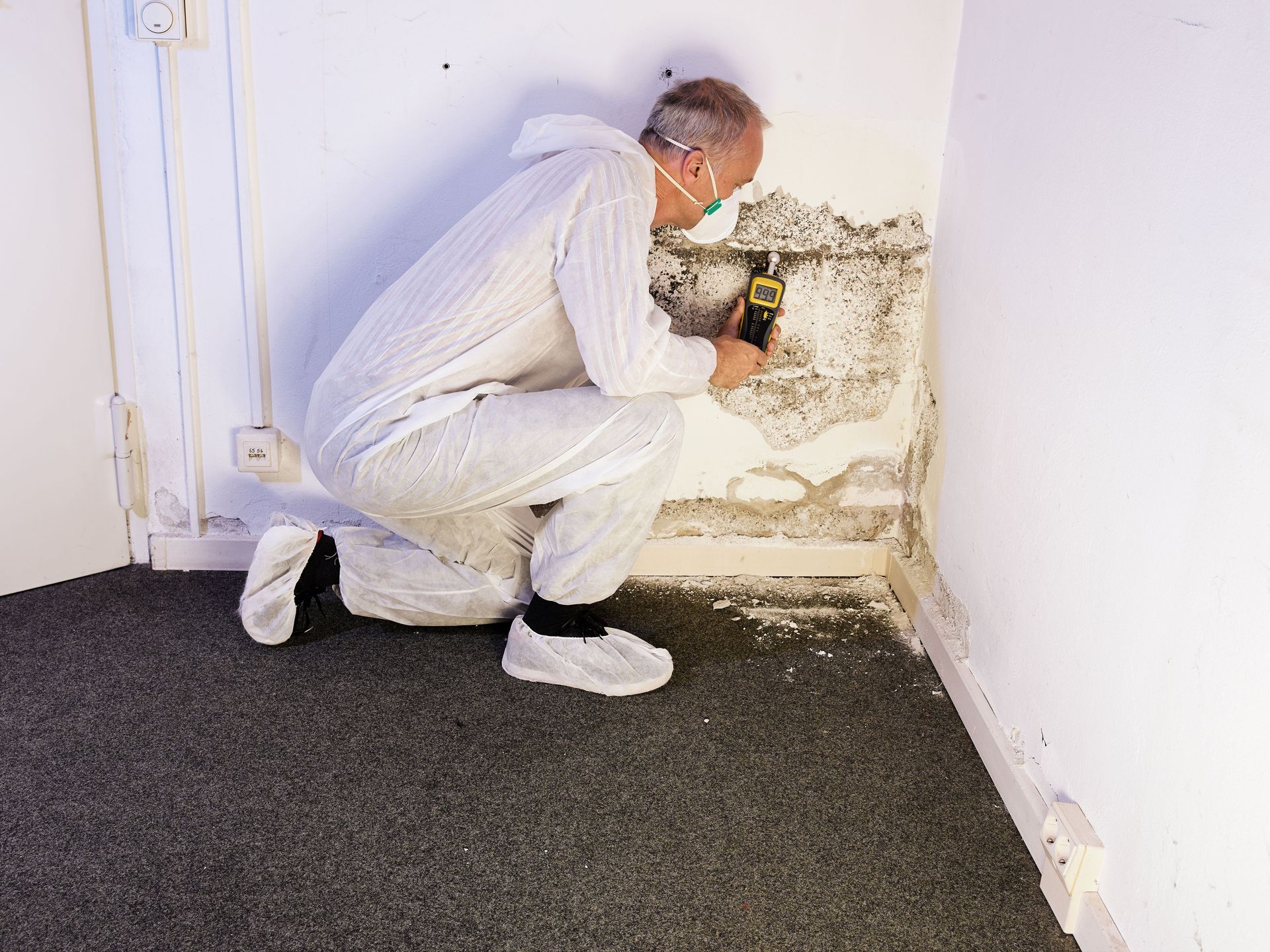
Mold testing companies offer a range of services dedicated to identifying and analyzing mold presence. These services often include visual inspections, air and surface sampling, and moisture mapping. The objective is to ascertain the type and concentration of mold spores in the environment to determine the necessary steps for remediation. Companies tailor their services to meet the specific needs of each client, whether it's a residential property or a large commercial building. Comprehensive mold testing can guide effective mold remediation efforts, thus safeguarding health and property.
Limitations and Exclusions in Services
It's important to note that mold testing companies may have limitations in the services they provide. While they can identify the presence of mold and assess the level of contamination, they might not always conduct removal services. Certain companies may specialize solely in testing, requiring clients to hire separate remediation services. Additionally, not all companies have the capability to test for every type of mold, particularly rare or newly discovered strains. Clients should clarify the full range of services and any exclusions before hiring a company to ensure their needs are met.
Technology and Tools Used in Mold Testing
Modern mold testing companies utilize advanced technology and tools to deliver accurate results. Equipment such as moisture meters, thermal imaging cameras, and air sampling pumps are commonly used. These tools help detect hidden mold problems and measure indoor air quality with precision. The use of sophisticated laboratory analysis further aids in identifying specific mold species and their concentrations. The technology employed by mold testing companies is pivotal in diagnosing mold issues and planning effective remediation strategies.
Regulations and Standards for Mold Testing
Mold testing and remediation are governed by various local and national regulations to ensure safety and accuracy. Proper adherence to standards set by the Environmental Protection Agency (EPA) and other industry bodies is essential. These regulations dictate testing procedures, equipment calibration, and documentation practices. Compliance ensures that mold testing companies provide reliable and standardized services to their clients. Consumers should verify that the company they hire complies with all relevant regulations and standards to guarantee effective mold management.
Case Studies: Successful Mold Mitigation
Successful mold mitigation hinges on thorough testing and tailored treatment plans. For instance, a case study involving a large office building revealed hidden mold through advanced thermal imaging. The company implemented strategic remediation, significantly improving indoor air quality and employee health. Another study of a residential home showcased effective cooperation between testers and remediation experts, culminating in the complete removal of toxic black mold. These cases illustrate the pivotal role that mold testing plays in achieving successful and sustainable results.
Qualifications and Certifications
Required Licenses and Certifications
Mold testing companies must possess the appropriate licenses and certifications to operate legally and effectively. Licenses vary by state, and it's crucial for clients to verify that a company meets all local legal requirements. Certifications from recognized organizations such as the American Council for Accredited Certification (ACAC) demonstrate a commitment to professional standards. These credentials ensure that the testing company follows standardized procedures and maintains quality assurance. For clients, selecting a certified company provides peace of mind that their mold issues are being handled by qualified professionals.
Training and Expertise of Technicians
The expertise of technicians performing mold testing is vital to the accuracy and reliability of the results. Technicians undergo rigorous training to learn the intricacies of mold identification, sampling techniques, and equipment usage. This training enables them to perform their duties with precision and effectively interpret test results. Continuous education and staying informed about the latest findings in mold research further enhance their proficiency. For consumers, a company with well-trained and knowledgeable technicians is a valuable asset in addressing mold concerns.
Choosing the right mold testing company can significantly impact the safety and health of your indoor environment. By understanding mold implications, the role and qualifications of testing companies, costs, and post-testing procedures, individuals and businesses can make informed decisions to address mold issues effectively. The investment in professional mold testing is not only a step toward improving indoor air quality but also a safeguard against potential health risks and property damage. Empowered with knowledge from this article, you are better equipped to navigate the complexities of mold testing and to ensure a safe, healthy living or working space. Be sure to reach out to Environmental Assessments & Solutions, Inc today to learn more about one of your local mold testing companies!